Shipping & logistics
Courier or Freight for Small Shipments from Thailand? How to Choose
Knowing how to choose between courier and freight for small shipments from Thailand can save you money, paperwork and a lot of stress.

Knowing how to choose between courier and freight for small shipments from Thailand can save you money, paperwork and a lot of stress. The short answer: courier tends to suit light, urgent, low-volume consignments, while freight starts to make sense as weight, volume and regulatory complexity grow. The longer answer depends on what you are shipping, where it is going and how your customs process works. This guide walks through the decision step by step.
Courier vs freight: what the terms actually mean
Before comparing costs, it helps to be precise about the two options, because suppliers and forwarders sometimes use the words loosely.
**Courier (express)** means an integrated door-to-door service. One company collects the parcel in Thailand, flies it, handles or arranges customs clearance at destination and delivers to your address. You usually get one invoice, one tracking number and relatively little paperwork on your side. Pricing is typically based on actual weight or volumetric weight, whichever is higher.
**Freight** means your goods move as cargo through a chain of providers: a freight forwarder books space with an airline (air freight) or shipping line (sea freight, often LCL for small loads), a customs broker clears the goods at destination, and a trucker delivers them. Charges are split into origin fees, the main freight cost, destination fees and clearance fees.
The practical difference is control versus convenience. Courier bundles everything into a single service, which is simple but less flexible. Freight gives you more control over each step and often better economics as volume grows, but it asks more of you: you need to understand Incoterms, coordinate documents and choose a broker.
Neither is better in absolute terms. The right choice depends on the shipment profile, which is what the next sections help you define.
Step 1: profile your shipment honestly
Most bad shipping decisions start with a vague picture of the consignment. Before asking for quotes, write down the following for each shipment:
- **Gross weight and dimensions** of every carton, not just the product weight. Packaging adds more than people expect.
- **Volumetric weight.** Couriers and air freight both charge on volumetric weight when goods are light but bulky, such as pillows, packaging or gift boxes.
- **Product category.** Cosmetics, supplements, food, liquids, aerosols and items containing batteries can be restricted or need special handling.
- **Declared value** and whether the goods are samples, retail stock or materials.
- **Urgency.** Is this a launch-critical sample or routine replenishment?
- **Destination type.** Business address with a loading dock, a warehouse, or a residential address?
Once you have this, patterns appear quickly. A few kilograms of samples needed for a product meeting is a very different problem from several cartons of Thai skincare wholesale stock intended for resale.
A common mistake is to compare a courier quote for actual weight with a freight quote for chargeable weight. Always ask each provider to state the chargeable weight they used, so you are comparing like with like.

Step 2: when courier is usually the better fit
Courier tends to win in a few clear situations, and recognising them saves time.
- **Samples and prototypes.** When you are evaluating suppliers, speed and simplicity matter more than unit cost. One tracking number and door delivery keeps the evaluation moving.
- **Very light consignments.** Freight carries fixed charges at origin and destination that do not shrink with the shipment. On a small parcel, those fixed fees can outweigh any saving on the main freight cost.
- **Urgent replenishment.** If a best-seller is about to go out of stock, a smaller express top-up can bridge the gap while a larger freight shipment is on its way.
- **No in-house import experience.** If you do not yet have a customs broker relationship, the courier's clearance service can be the easiest starting point.
There are trade-offs to keep in mind. Couriers may refuse or restrict certain goods, particularly liquids, aerosols, some cosmetics and supplements, so check their restricted items list for both origin and destination. Duties and taxes are often billed to the receiver, sometimes with an added disbursement fee. And courier clearance is designed for speed, so if your goods need permits or special documents, a dedicated broker may handle them more carefully.
Step 3: when freight starts to make sense
As shipments grow, the economics and the complexity both shift toward freight.
- **Rising weight and volume.** Once you are moving multiple cartons or a pallet, air freight or LCL sea freight often becomes more economical per kilogram than express, even after fixed fees.
- **Regulated products.** Cosmetics, food and supplements may need import permits, product registrations or specific documents. A customs broker who works with these categories can prepare and check paperwork before arrival.
- **Commercial imports for resale.** If you are importing stock from a Thai wholesale distributor or a manufacturer, you will usually need formal commercial clearance anyway. Freight paired with a broker gives you a clear record for accounting and compliance.
- **Predictable, repeat orders.** When you reorder on a schedule, sea freight can be planned in advance, reducing pressure on cash flow and cost.
The trade-off is coordination. You must agree Incoterms with the supplier, confirm who books the freight, align the commercial invoice and packing list, and appoint a broker at destination. None of this is difficult, but it requires attention. Many importers start by asking their supplier which forwarders they already work with, then compare that option with a forwarder of their own choosing.

Step 4: compare total landed cost, not just the shipping line
The shipping charge is only one part of what a small shipment really costs. To compare courier and freight fairly, build a simple landed cost view for each option.
Include:
- **Origin charges:** pickup, export documentation, handling at the Thai airport or port.
- **Main transport:** courier rate or freight rate on chargeable weight.
- **Destination charges:** terminal handling, storage if goods wait, delivery to your door.
- **Clearance fees:** courier disbursement and clearance fees, or broker fees.
- **Duties and taxes:** based on the HS code, value and origin rules in your country; check these with your customs authority or broker.
- **Hidden costs:** delays, demurrage or storage if documents are incomplete, and the time you spend coordinating.
Then divide by the number of sellable units. This per-unit number is what matters for your margin. Sometimes the freight option looks cheaper on paper but adds days of storage at destination; sometimes the courier option looks expensive but avoids broker and terminal fees entirely.
When you request quotes from Thai suppliers, ask them to quote on more than one Incoterm, such as EXW and FOB, so you can see which side should organise the shipping for your volume.
Common mistakes and a simple decision checklist
Importers new to Thailand often run into the same few problems. Avoiding them is mostly about asking the right questions early.
- **Shipping restricted goods by courier without checking.** Liquids, oils and cosmetics such as Thai massage oil may need special packaging or declarations. Confirm acceptance before booking.
- **Undervaluing or vaguely describing goods.** Clear, accurate descriptions and values on the commercial invoice help clearance in any mode.
- **Ignoring volumetric weight.** Bulky, light items can cost far more than expected by both courier and air freight.
- **Not appointing a broker in advance.** With freight, goods arriving before a broker is engaged can incur storage charges.
- **Treating every shipment the same.** Your samples, launch stock and routine replenishment may each suit a different mode.
A quick decision checklist:
- Light, urgent or samples, with simple goods: courier is often the practical choice.
- Several cartons, regulated products or resale stock: get freight and broker quotes.
- Unsure: ask for both, compare landed cost per unit, and check product restrictions with each provider.
Courier and freight are tools, not loyalties. Many experienced importers use both, depending on what each shipment needs.
Need expert support?
Leave your details and our team will get back to you.
FAQ
Frequently asked questions
Is courier always faster than freight from Thailand?
Courier is generally designed for speed and door delivery, but actual transit and clearance depend on the destination, product type and documents. Air freight can also move quickly, though coordinating a broker and delivery adds steps. Ask each provider for current estimates for your specific route.
Can I ship cosmetics from Thailand by courier?
Some couriers accept cosmetics, while others restrict liquids, aerosols or certain ingredients. Rules differ by origin, destination and carrier. Check the courier's restricted goods list and confirm with your destination customs authority or broker whether permits or registrations are needed.
Who should arrange shipping, me or the Thai supplier?
It depends on the Incoterm you agree. Under EXW you usually arrange everything from the supplier's door, while under FOB or CIF the supplier handles part of the journey. Compare quotes on different terms to see which gives you better control and total cost.
What documents do I need for a small freight shipment?
Typically a commercial invoice, a packing list and the transport document such as an air waybill or bill of lading. Regulated products may need extra certificates or permits. Your customs broker can confirm the exact list for your goods and destination.
Prepared by the Import Thai team for informational purposes. Some links may lead to referred partners.
Articles
Related articles

Consolidated Shipping from Bangkok: How It Works and When It Pays Off
If you're buying from more than one supplier in Thailand — say a Thai skincare wholesale line and a batch of Thai herbal products from a different factory — shipping each order sep
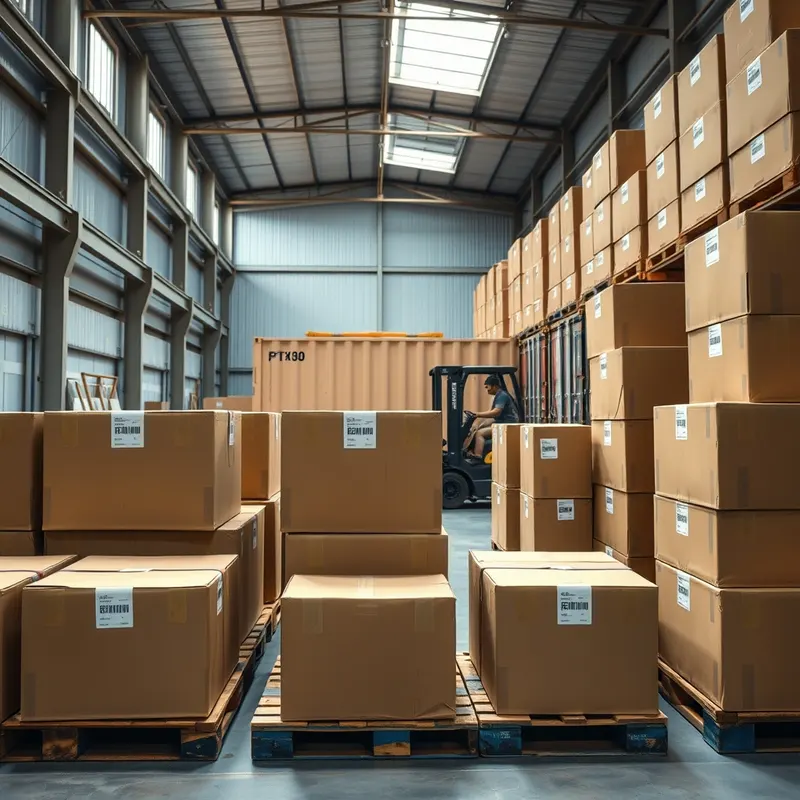
How to Insure a Shipment from Thailand: A Practical Guide for Importers
If a container of goods from Thailand goes missing, gets damaged in transit, or arrives soaked from a leaking roof, who pays? Many first-time importers assume the freight forwarder

LCL Shipping from Bangkok Explained: How It Works, What It Costs, and When to Use It
If you're importing a pallet or two of Thai household products, Thai herbal products, or a mixed carton of Thai sunscreen and snacks, chartering a full container rarely makes sense
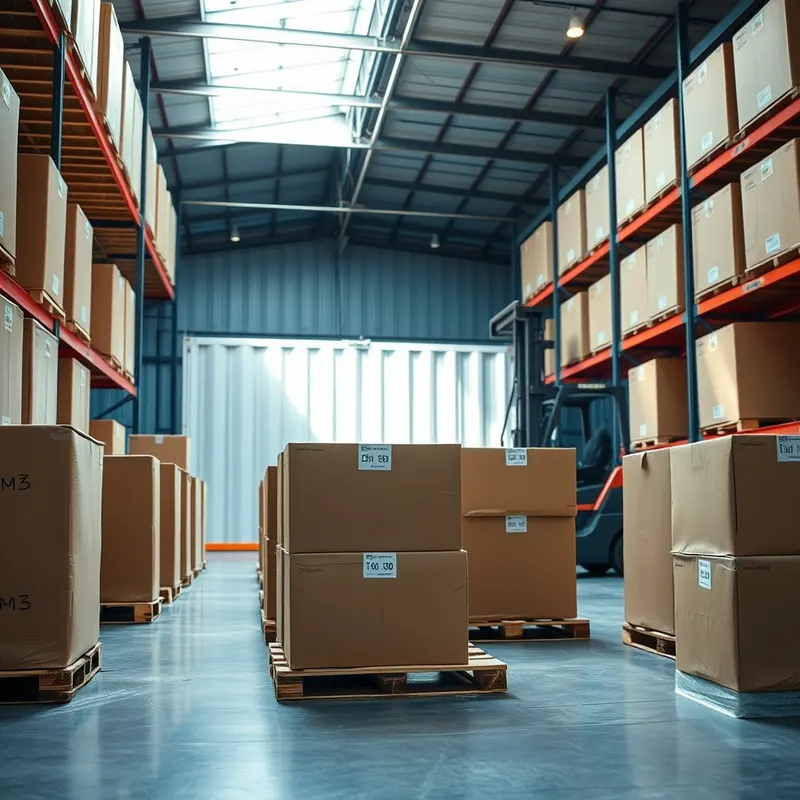
How to Track a Container From Thailand: A Practical Guide
Learning how to track a container from Thailand is less about finding one website and more about knowing which reference number to use at which stage of the journey.

Sea Freight vs Air Freight from Thailand: Which Should You Choose?
If you're sourcing products from Thailand and staring at two very different freight quotes, you're not alone. The sea freight vs air freight from Thailand decision trips up even ex

Air Freight Cost from Bangkok to UK: What Drives the Price and How to Control It
If you're sourcing products from Thailand and weighing shipping options, the air freight cost from Bangkok to UK is usually the first number that makes or breaks your margin calcul