Shipping & logistics
How to Insure a Shipment from Thailand: A Practical Guide for Importers
If a container of goods from Thailand goes missing, gets damaged in transit, or arrives soaked from a leaking roof, who pays? Many first-time importers assume the freight forwarder
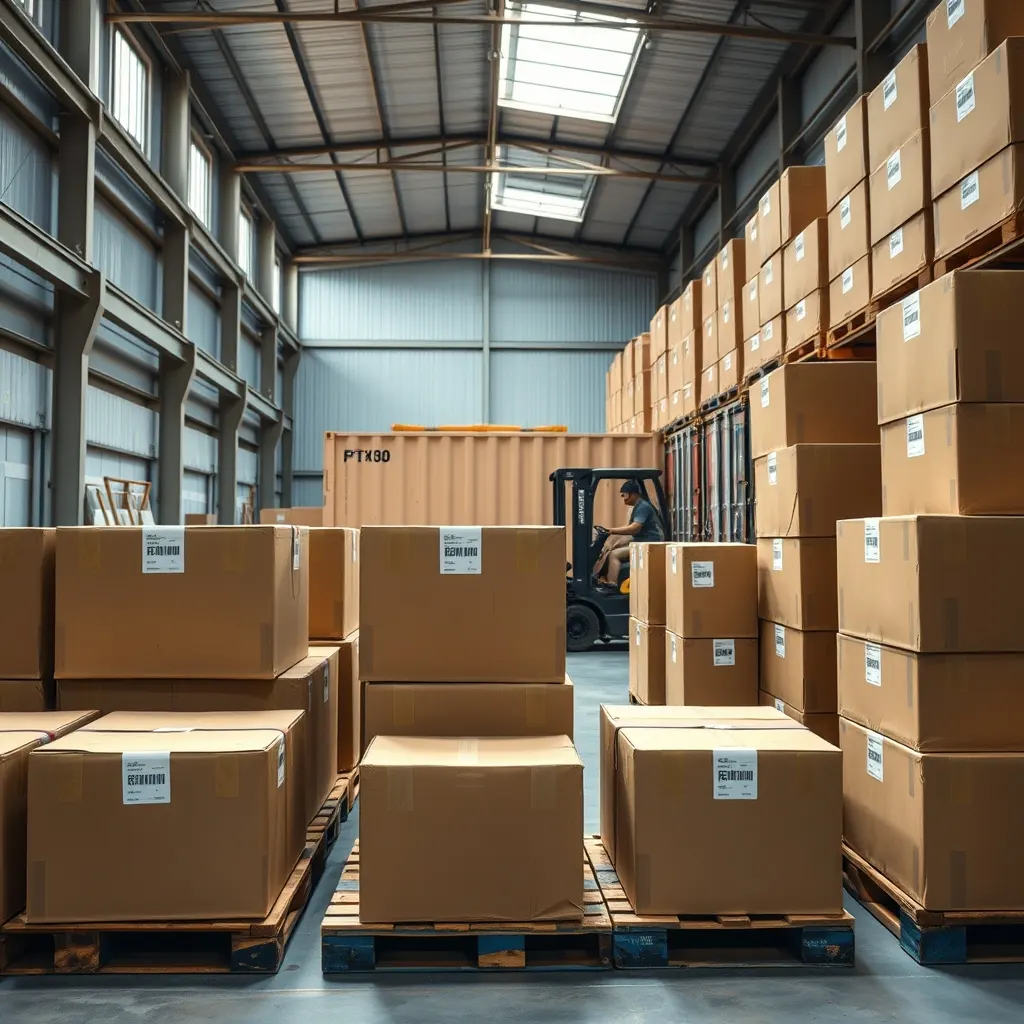
If a container of goods from Thailand goes missing, gets damaged in transit, or arrives soaked from a leaking roof, who pays? Many first-time importers assume the freight forwarder or carrier's liability covers the loss — it rarely does, and when it does, the payout is usually a fraction of the cargo's value. Learning how to insure a shipment from Thailand before you place your first order is one of the cheapest risk-management steps you can take, and it's often overlooked until something goes wrong. This guide walks through what cargo insurance actually covers, how it's priced, who can sell it to you, and the practical steps to get a policy in place before your goods leave the factory.
Why carrier liability isn't the same as insurance
Ocean and air carriers operate under limited liability regimes (such as the Hague-Visby Rules for sea freight), which cap compensation per kilogram or per package — figures that are almost always far below the actual value of the goods. If a pallet of Thai collagen supplements or a shipment of Thai makeup brands is damaged at sea, the carrier's standard liability might cover a small fraction of the replacement cost, and claiming it involves proving fault, which can take months. Cargo insurance is a separate, voluntary policy you or your supplier purchases specifically to cover the commercial value of the goods, regardless of who caused the loss. Treat carrier liability as a legal minimum, not a safety net.
What marine cargo insurance typically covers
Most importers buy what's called marine cargo insurance, a term that covers sea, air and land transport despite the name. Policies are generally written under Institute Cargo Clauses (A, B or C), with Clause A offering the broadest 'all risks' protection and Clause C the narrowest, covering only major perils like fire, sinking or collision. For goods sensitive to handling or climate — think Thai essential oil suppliers shipping glass bottles, or Thai food and beverage suppliers moving products that need temperature control — Clause A coverage is usually worth the extra premium because it also addresses breakage, water damage, theft and mishandling. Always read the exclusions list carefully: inadequate packing, inherent product defects and war/strikes are commonly excluded unless added back as extensions.

Who actually sells the policy: freight forwarder, broker, or direct insurer
There are three common routes. First, your freight forwarder may offer cargo insurance as an add-on — convenient, but often marked up and with limited flexibility on coverage terms. Second, an independent marine insurance broker in your home country can quote directly against the shipment's value, which usually gives better transparency and sometimes lower cost for regular shippers. Third, some suppliers in Thailand will arrange insurance on your behalf under CIF (Cost, Insurance, Freight) terms — convenient, but you should ask for the policy certificate and confirm the coverage clause (A, B or C) rather than assuming it's comprehensive. If you're sourcing recurring categories — say, Thai traditional remedies with fragile glass packaging, or bulky dry goods — it's worth comparing forwarder quotes against an independent broker at least once to see where the real cost difference lies.
How premiums are calculated
Marine cargo insurance premiums are typically a small percentage of the shipment's insured value (commonly CIF value plus a margin, often 10%, to cover potential profit loss), with the rate itself depending on the commodity type, packaging quality, route, and claims history. Fragile or high-value goods — cosmetics, supplements, electronics — usually carry a higher rate than durable bulk commodities. Since Import Thai doesn't quote specific premiums (rates vary by broker and change over time), get at least two quotes before your first shipment so you have a benchmark for future orders. Ask each quote to specify the clause used (A/B/C), the deductible (excess), and whether partial losses are covered or only total loss.

Step-by-step: getting a shipment insured before it leaves Thailand
1) Confirm shipping terms with your supplier (FOB, CIF, EXW) — this determines whether insurance is your responsibility or theirs. 2) Get the commercial invoice and packing list finalized, since insurers price coverage against the declared value. 3) Request quotes from your forwarder and at least one independent broker, specifying the Institute Cargo Clause you want. 4) Review the policy's exclusions and deductible before paying the premium. 5) Keep the insurance certificate, bill of lading or air waybill, and commercial invoice together — you'll need all three if you ever file a claim. 6) At delivery, inspect goods before signing the delivery receipt clean; a claim is much harder to win once you've acknowledged 'goods received in good order.'
Special considerations for fragile or regulated Thai product categories
Some product categories carry extra insurance considerations worth flagging with your broker upfront. Glass packaging common among Thai essential oil suppliers and Thai makeup brands increases breakage risk, so ask whether breakage is covered under the base clause or needs to be added. Perishable or climate-sensitive items from Thai food and beverage suppliers may need refrigerated container (reefer) coverage with temperature-deviation clauses. Products like Thai collagen supplements or Thai traditional remedies that require specific import documentation in your destination country should also be checked against local customs and health-authority requirements — it's worth confirming with your destination country's import or customs authority what paperwork is needed before cargo even ships, since a customs hold isn't typically covered by cargo insurance.
Need expert support?
Leave your details and our team will get back to you.
FAQ
Frequently asked questions
Is cargo insurance mandatory for shipments from Thailand?
No, it's not legally required in most cases, but it's strongly recommended given that carrier liability limits rarely cover the real value of the goods. Some buyers make it a contractual requirement with their suppliers under CIF terms.
Who pays for cargo insurance, the buyer or the supplier?
It depends on the agreed Incoterm. Under CIF, the supplier arranges and pays for insurance (though the buyer should verify the coverage). Under FOB or EXW, the buyer is responsible for arranging their own cover from the point specified in the contract.
What happens if I don't insure a shipment and it's damaged?
You can only pursue the carrier's limited liability, which is usually capped well below actual cargo value, and proving carrier fault can be a lengthy process. Without insurance, any shortfall is absorbed by the importer.
Does cargo insurance cover delays at customs?
Generally no. Standard marine cargo insurance covers physical loss or damage to goods in transit, not financial losses from customs delays, demurrage or regulatory holds — check with your broker if you want delay-related coverage added as an extension.
Prepared by the Import Thai team for informational purposes. Some links may lead to referred partners.
Articles
Related articles

Air Freight Cost from Bangkok to UK: What Drives the Price and How to Control It
If you're sourcing products from Thailand and weighing shipping options, the air freight cost from Bangkok to UK is usually the first number that makes or breaks your margin calcul

How to Visit a Thai Factory Before Ordering: A Buyer's Guide
Planning how to visit a Thai factory before ordering is one of the smartest moves an importer can make, but a poorly prepared trip can cost time and tell you very little.

Best Products to Import from Thailand for Small Business: A Practical Starting List
If you're searching for the best products to import from Thailand for small business, you've probably already noticed the problem: there are thousands of categories, and most "top