Shipping & logistics
How to Track a Container From Thailand: A Practical Guide
Learning how to track a container from Thailand is less about finding one website and more about knowing which reference number to use at which stage of the journey.
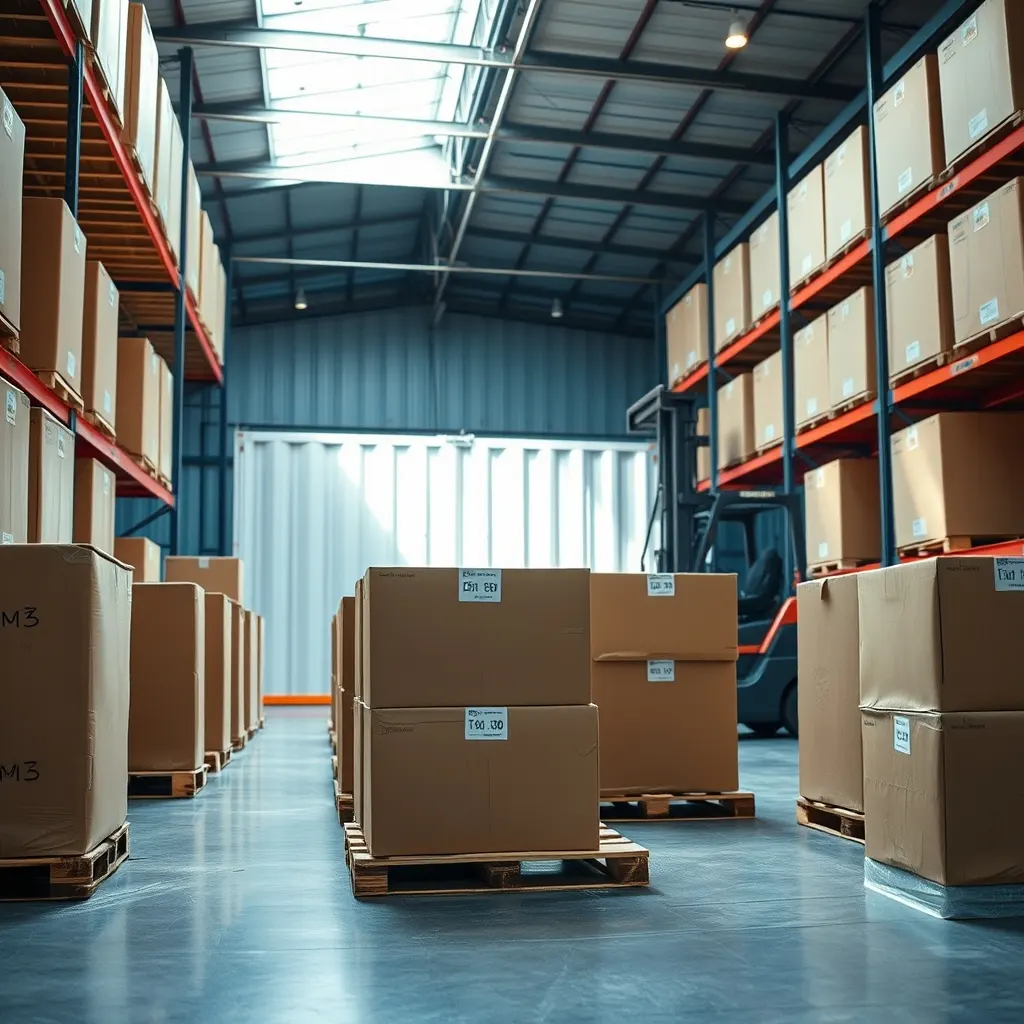
Most importers learn how to track a container from Thailand the hard way: by refreshing a carrier page that says nothing useful while a supplier insists the cargo left last week. The problem is rarely the tracking tool. It is that a single shipment generates four or five different reference numbers, each one valid at a different stage, and most people only ever receive one of them. This guide walks through the numbers you need, where each one works, how to read the milestones a carrier publishes, and what to do when the status stops moving.
The reference numbers you need before tracking is possible
Tracking fails most often because the importer is holding the wrong number. Each reference belongs to a different party and unlocks a different system, so collect all of them at booking rather than chasing them later.
- **Booking number.** Issued by the carrier or NVOCC when space is reserved. Useful before the container is loaded, because at that stage nothing else exists yet.
- **Container number.** Four letters plus seven digits, for example ABCU1234567. The last digit is a check digit, which is why a mistyped container number is usually rejected outright rather than returning a wrong result.
- **Master bill of lading number.** Issued by the ocean carrier. This is the number that works on the carrier's own tracking page.
- **House bill of lading number.** Issued by your freight forwarder when your cargo moves under a consolidation. It will not work on the carrier site; only the forwarder can trace it.
- **Vessel name and voyage number.** Needed to check schedules, port rotations and transshipment connections independently of your cargo.
- **Seal number.** Not a tracking tool, but the figure you check against the physical seal on arrival.
One distinction causes more confusion than any other: full container load against less than container load. With a full container you have a container number of your own and carrier-level visibility. With consolidated cargo your goods share a container with other shippers, you hold a house bill, and milestones reach you through the forwarder rather than from the carrier. If a **Thai wholesale distributor** arranges shipping on your behalf, ask explicitly which of these two structures applies, because it determines what you will be able to see for the rest of the journey.
Ask for all of the above in writing at booking. A supplier who can only produce a photo of a packing list has probably not booked anything yet.
Where to track at each stage of the journey
No single website covers a shipment end to end. Tracking is a relay, and knowing which system owns which leg saves hours.
**Stage one, origin.** Until the container is loaded, the useful sources are the carrier booking confirmation and your forwarder. Thai export cargo typically moves through Laem Chabang for deep-sea services or Bangkok Port for smaller regional vessels, with inland container depots feeding both. At this stage you are watching for two events: the empty container being released to the trucker, and gate-in at the terminal.
**Stage two, ocean leg.** Once the container is loaded, the ocean carrier's own track-and-trace is the authoritative source. Enter the container number or master bill number. If you hold a house bill, the forwarder must pull this for you.
**Stage three, vessel position.** Carrier milestones update in steps, not continuously. To see where the ship physically is, use a vessel tracking service with the vessel name and voyage number. This is particularly useful during transshipment, when your cargo sits at a hub port and the carrier status appears frozen.
**Stage four, destination.** Your discharge port's terminal system shows container availability, holds and in some countries demurrage status. Your customs authority's system shows declaration status. These are separate from the carrier, and a container can be discharged but still unavailable because of a customs or carrier hold.
**Stage five, inland delivery.** Once the container leaves the port, visibility belongs to the haulier or your broker.
Practical habit: build a single line in a spreadsheet per shipment with all reference numbers, the carrier tracking link, the terminal link and the broker contact. The five minutes spent at booking removes the frantic search later, especially when you are running several shipments of different product groups at once, such as **Thai health supplements** in one container and dry goods in another.
How to read the milestones a carrier publishes
Carrier tracking pages use terminology that looks self-explanatory and is not. Reading these events correctly tells you whether a shipment is on plan or quietly slipping.
- **Empty container released / picked up.** The container has been collected for stuffing. Nothing is loaded yet.
- **Gate-in at terminal.** The loaded container has entered the port. This is the first milestone that proves cargo physically exists at the port.
- **Loaded on vessel.** Cargo is on board. Until this appears, a departure date is a plan, not a fact.
- **Vessel departure / ETD.** Actual departure replaces estimated departure once it happens. Compare the two: a gap here propagates through the whole schedule.
- **Transshipment discharged / loaded.** Your container has been moved between vessels at a hub port. This is where most unexplained delay sits.
- **ETA at destination.** An estimate that is revised repeatedly. Treat the latest value as current, not the one on your booking confirmation.
- **Vessel arrival and discharged.** Cargo is on the ground at destination.
- **Available for release / customs hold / carrier hold.** Discharged does not mean collectable. Release requires documents, duty payment and the absence of holds.
- **Gate-out.** The container has left the terminal.
- **Empty returned.** Closes the cycle. Late return triggers detention charges.
Two terms are worth separating because they cost money in different places. Demurrage accrues while the container sits inside the terminal beyond the free period; detention accrues while the container is outside the terminal in your possession beyond the free period. Both are counted from events in this milestone list, which is exactly why reading the list accurately matters. Free time varies by carrier, trade lane and contract, so confirm your own free days from your booking documents rather than from a general figure.
When tracking stops moving: the usual causes
A static status is not necessarily a lost container. In practice there is a short list of likely explanations, and each has a different fix.
- **The booking was never confirmed.** The supplier reserved space verbally, the vessel filled, and nothing was ever loaded. Check for the gate-in milestone; if it does not exist, the cargo has not reached the port.
- **Rollover.** The carrier moved your container to a later vessel, usually because of overbooking or weight restrictions. The container number stays valid but the vessel and voyage change. Ask the forwarder for the new vessel and voyage, not just a new ETA.
- **Transshipment gap.** Cargo is discharged at a hub and waiting for a connecting vessel. Carrier milestones can appear frozen for days. This is where vessel tracking on the second leg tells you more than the carrier page.
- **Document mismatch.** Shipper details, HS code, weight or description differ between the bill of lading, invoice and packing list. The container may be physically present and administratively stuck. Fix the document, not the tracking.
- **Customs inspection or hold at destination.** Status shows discharged but not available. Your broker, not the carrier, is the right contact.
- **Wrong number.** A house bill entered into a carrier site returns nothing. So does a container number with a transposed digit.
- **Payment not cleared.** Some carriers withhold release until freight and local charges are settled.
The practical escalation order is: re-check the number, check the carrier page with the master bill, check the vessel position, then ask the forwarder for the current vessel and voyage in writing. Asking for a written vessel and voyage is the single most effective question, because a vague reassurance can be given about anything while a vessel name can be verified independently.
Shipments of smaller, high-turnover goods are especially exposed to rollovers because they are frequently consolidated: a pallet of **Thai herbal balm** in a shared container has no priority of its own. If the goods are seasonal or promotion-linked, discuss full container load against consolidation at the quotation stage rather than after the first delay.
Building a tracking routine for repeat shipments
One-off tracking is reactive. If you import regularly from Thailand, the aim is a routine that surfaces problems before they become expensive.
A workable routine has five checkpoints:
1. **At booking.** Record booking number, vessel, voyage, planned ETD and ETA, and whether the shipment is full container or consolidated. Confirm who issues the bill of lading. 2. **At gate-in.** Verify container number, seal number and gross weight against the packing list. This is your last cheap opportunity to correct a document error. 3. **At loading.** Confirm loaded on vessel and the actual departure date. Compare actual against planned and update your internal arrival planning immediately rather than at the end. 4. **Mid-voyage.** Check transshipment events once, around the point where the connection is scheduled. If the connection has slipped, you will know a week before the revised ETA reaches your inbox. 5. **Pre-arrival.** Confirm that the original documents, certificate of origin where applicable and any product-specific paperwork are with your broker before the vessel arrives. Document readiness, not vessel speed, is what usually determines release timing.
Two refinements are worth the effort. First, ask your carrier or forwarder whether automated milestone notifications are available for your bookings, so you stop polling manually. Second, keep a simple record per shipment of planned against actual dates at each milestone. After a handful of shipments you will see which lane, which carrier and which supplier combination is reliable for you, which is far more useful than any published transit time.
Regulatory requirements at the destination sit outside the carrier's scope entirely and change over time, so verify current rules with your own customs authority or clearing agent before each new product category. This is also the point where importers of goods such as **Thai massage oil** and other personal care items discover that the paperwork, not the shipping, is the longer part of the project.
A short checklist to keep with every shipment
Printed, pinned or pasted at the top of your shipment file, this list covers the questions that cause most of the avoidable trouble.
**Before booking is confirmed**
- Who is the contracting carrier, and who issues the bill of lading?
- Full container load or consolidated cargo?
- Which port of loading and which discharge port, and is there a transshipment?
- Who pays which charges at destination, and under which Incoterm?
**On booking confirmation**
- Booking number, vessel name, voyage number, planned ETD and ETA recorded.
- Carrier tracking link and terminal link saved in the shipment file.
**On loading**
- Container number and seal number received and checked against the packing list.
- Gross and net weight consistent across documents.
- Draft bill of lading reviewed before issuance, especially consignee details and goods description.
**In transit**
- Actual departure confirmed, not just planned.
- Transshipment connection checked once.
- Revised ETA circulated internally to whoever plans receiving.
**Before arrival**
- Original or telex-released documents with the broker.
- Duty and tax estimate prepared from the final invoice values.
- Free time for demurrage and detention noted from the booking terms.
- Haulier booked for collection.
**On arrival**
- Seal number verified against documents before opening.
- Condition and quantity checked at unpacking, with photographs taken before cargo is moved.
- Empty container return date noted.
If a supplier or forwarder cannot answer the first group of questions, that is the signal to slow down. Visibility problems in shipping are almost always traceable to an unclear structure at booking, and the cheapest moment to fix them is before a container is ever packed.
Need expert support?
Leave your details and our team will get back to you.
FAQ
Frequently asked questions
Can I track a container with only the bill of lading number?
Usually yes, provided it is the master bill of lading issued by the ocean carrier. Enter it on the carrier's own tracking page and it should return the same milestones as a container number. A house bill of lading issued by a freight forwarder will not work on the carrier site, because the carrier has no record of it; in that case only your forwarder can trace the shipment.
Why does my container show as discharged but I cannot collect it?
Discharge is a vessel event, not a release event. Collection also requires customs clearance to be complete, duties and taxes to be settled, carrier charges to be paid, and the absence of any customs or carrier hold. The terminal system usually shows availability and hold status separately from the carrier milestones, so check both and ask your broker which specific condition is outstanding.
What is the difference between demurrage and detention?
Demurrage applies while the container remains inside the terminal beyond the agreed free period; detention applies while the container is outside the terminal in your possession beyond the agreed free period, typically awaiting unpacking and return. Free time differs by carrier, lane and contract, so take the figures from your own booking documents rather than from a general reference.
How accurate is the estimated arrival date on a carrier page?
It is an estimate that gets revised as the voyage progresses, and the figure on your original booking confirmation is often out of date within days. Treat the most recent value as current, and expect larger revisions on routes with transshipment. For planning, work from the actual departure date plus the carrier's current estimate, and keep a buffer for clearance at destination.
Prepared by the Import Thai team for informational purposes. Some links may lead to referred partners.
Articles
Related articles

How Long Does Shipping From Thailand Take? A Realistic Timeline Guide
If you're planning to import from Thailand, "how long does shipping from Thailand take" is usually the second question after price — and the honest answer is: it depends on the mod

Freight Forwarder vs Sourcing Agent in Thailand: Who Does What?
Freight forwarder vs sourcing agent Thailand is the wrong question until you know which problem you are solving — buying the goods, or moving them.

How to Find a Sourcing Agent in Thailand (And Vet One Properly)
Knowing how to find a sourcing agent in Thailand matters more than most buyers expect, because the title covers at least four different business models — from a one-person interpre