Shipping & logistics
Sea Freight vs Air Freight from Thailand: Which Should You Choose?
If you're sourcing products from Thailand and staring at two very different freight quotes, you're not alone. The sea freight vs air freight from Thailand decision trips up even ex
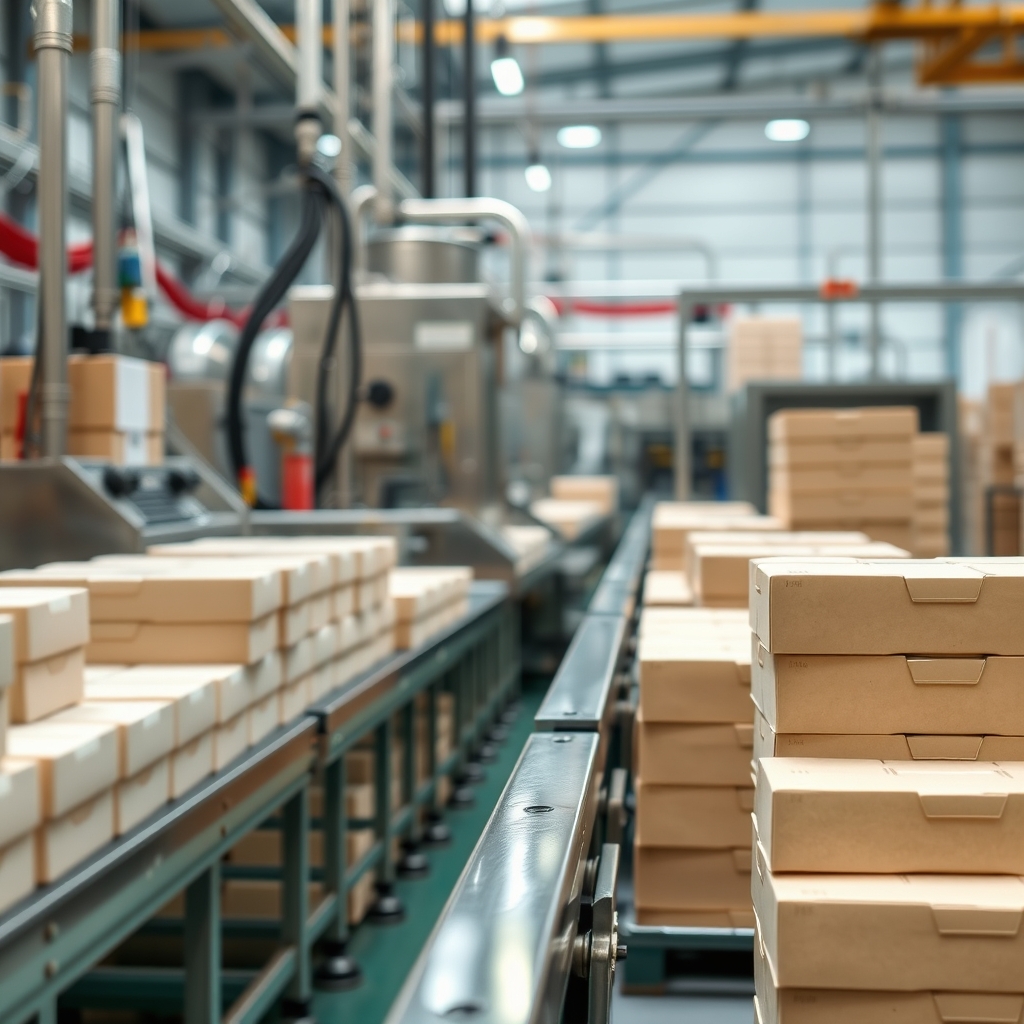
If you're sourcing products from Thailand and staring at two very different freight quotes, you're not alone. The sea freight vs air freight from Thailand decision trips up even experienced importers, because the "right" answer depends less on cost per kilo and more on your cash flow, product type and how fast your market moves. This guide walks through the real trade-offs so you can make the call with your eyes open, not just by picking the cheaper line item.
The core trade-off: cost, speed and cash flow
Sea freight from Thailand is almost always cheaper per unit, especially for bulky or heavy goods like furniture, packaging materials or large skincare orders. Air freight costs more per kilo but gets product to you in days rather than weeks, which matters if you're restocking a fast seller or testing a new product line before committing to a bigger shipment. The less obvious factor is cash flow: a slower sea shipment ties up capital in transit longer, while air freight frees up inventory faster but eats into margin. Before deciding, model both scenarios against your actual sell-through rate rather than just comparing freight quotes side by side.
When sea freight makes sense
Full or partial container loads make sense when you have predictable demand, enough warehouse space, and products that aren't time-sensitive — think home goods, textiles, dry food ingredients or bulk packaging. If you're working with a Thai wholesale distributor who can consolidate several product lines into one container, sea freight becomes even more cost-effective because you're spreading fixed shipping costs across more volume. The trade-off is lead time: ocean transit plus port handling and customs clearance can add weeks to your supply chain, so you need to order further ahead than you might think.

When air freight is worth the premium
Air freight earns its cost when speed solves a bigger problem than money does. That includes restocking a bestseller before you run out, shipping samples for approval before a bulk order, or moving goods with shorter shelf lives — some Thai herbal products and cosmetic formulations fall into this category, where freshness and stability matter more than shaving costs. If you're new to sourcing from Thailand, air freight is also a practical way to test a supplier relationship with a smaller shipment before scaling into full container orders.
Mixing both: a split-shipment strategy
Many experienced importers don't pick one mode exclusively — they split shipments. A core, predictable order travels by sea to keep landed costs low, while a smaller top-up order flies in by air to cover gaps or respond to a sales spike. This works particularly well for businesses sourcing Thai skincare wholesale, where a bestselling SKU might need faster replenishment while the rest of the catalog moves steadily by sea. The key is tracking your reorder points closely enough that you're not forced into emergency air shipments that erode margin.

How your supplier affects the decision
Freight mode isn't just a shipping question — it's tied to how your supplier packs, consolidates and documents your order. Working with verified Thai suppliers who are used to export documentation and container-ready packaging reduces the risk of delays or damage, regardless of which mode you choose. If you're still building your supplier list, it's worth taking time to request quotes from Thai suppliers across a few categories before locking in a freight strategy, since minimum pack sizes and packaging formats can shift the real cost comparison between sea and air.
Customs and documentation: don't let freight mode distract you
Whichever mode you choose, clearance delays usually come down to paperwork, not the ship or plane. Check requirements with Thai Customs and DITP guidance for export documentation, and separately confirm import rules with your own country's customs authority — requirements differ by product category, especially for cosmetics and herbal goods. Getting this right matters more to your total delivery time than the freight mode itself.
Need expert support?
Leave your details and our team will get back to you.
FAQ
Frequently asked questions
Is sea freight always cheaper than air freight from Thailand?
Usually per unit, yes — but not always overall once you factor in warehousing costs, capital tied up in transit, and the risk of stockouts. Model both options against your actual demand before assuming sea freight is the better deal.
Can I combine sea and air freight in one order?
Yes, many importers split shipments: a bulk order by sea for cost efficiency and a smaller air shipment to cover fast-moving items or urgent gaps. Your supplier or freight forwarder can help structure this.
Does the product type affect which freight mode I should use?
Yes. Bulky, non-perishable goods generally suit sea freight, while time-sensitive items like some herbal or cosmetic formulations may justify the cost of air freight to preserve quality and meet demand faster.
How do I find a reliable supplier before committing to a freight strategy?
Start by comparing a few options and requesting quotes to understand pricing, packaging and lead times before locking in volume commitments — this gives you real numbers to plan freight around instead of guessing.
Prepared by the Import Thai team for informational purposes. Some links may lead to referred partners.
Articles
Related articles
Thai Food Products for Export: Which Categories Travel Well?
Thai food products for export range from shelf-stable sauces to dried fruit and instant noodles, but not every category travels well. This guide explains how to judge

Thai Skincare Brands for Wholesale: A Buyer's Guide to Sourcing the Right Supplier
If you're exploring Thai skincare brands for wholesale, the first real worry isn't which brand looks good on Instagram — it's whether the factory behind the label can actually expo
Certificate of Origin Thailand Form D: A Practical Guide for Importers
If you're importing from Thailand into another ASEAN market and trying to reduce or eliminate import duty, you've probably run into the term "Form D." This is the certificate of or