Shipping & logistics
Consolidated Shipping from Bangkok: How It Works and When It Pays Off
If you're buying from more than one supplier in Thailand — say a Thai skincare wholesale line and a batch of Thai herbal products from a different factory — shipping each order sep

If you're buying from more than one supplier in Thailand — say a Thai skincare wholesale line and a batch of Thai herbal products from a different factory — shipping each order separately usually means paying full freight and handling fees multiple times. Consolidated shipping from Bangkok solves that by combining several suppliers' goods into one container or one air shipment before it leaves Thailand. It can cut per-unit shipping cost significantly and simplify customs paperwork, but it only works well if you plan the timeline and documentation properly. Here's how the process actually works, what can go wrong, and how to decide if it's right for your order.
What consolidated shipping actually means
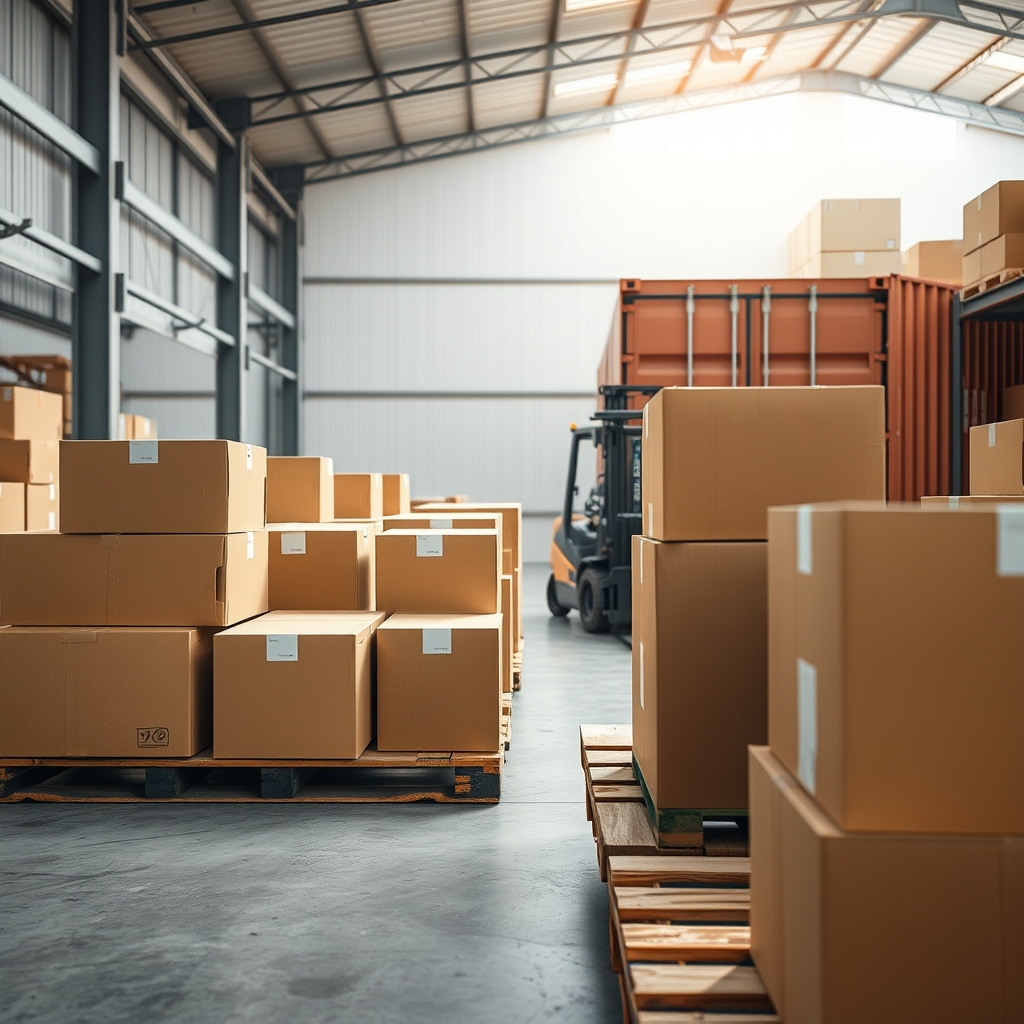
Instead of each supplier booking their own freight forwarder and sending a partial, often underfilled container or air pallet, a consolidation service collects goods from multiple suppliers at a warehouse in or near Bangkok, groups them into one shipment, and arranges a single set of export documents. This is standard practice for importers who buy from several factories or trading companies at once — for example, a Thai wholesale distributor of cosmetics plus a separate workshop making snack foods or supplements. The consolidator handles inbound receiving, basic inspection, repacking if needed, and loading, then books the freight under one bill of lading or air waybill. You deal with one point of contact instead of coordinating pickup times with five different suppliers.
Who typically uses it
Consolidation makes the most sense for buyers sourcing smaller volumes from multiple vendors — a common situation for online sellers testing several product lines, or distributors building a mixed container of categories like Thai skincare wholesale items, snacks, and home goods. If you're already ordering a full container load from a single large supplier, consolidation usually isn't necessary since you already fill the space efficiently. But for anyone working with verified Thai suppliers across different product categories and ordering less-than-container-load quantities, grouping shipments is often the only way to make freight costs reasonable.

Step by step: how the process runs
First, you place orders with your chosen suppliers and agree on a delivery point — usually the consolidator's warehouse address in Bangkok or a nearby industrial area. Second, each supplier ships their portion to that warehouse on their own schedule; this is where timing matters most, since the consolidator usually waits until all cargo has arrived before booking the combined shipment. Third, the consolidator checks quantities against your packing list, repacks or palletizes as needed, and prepares a single set of export documents (commercial invoice, packing list, and certificate of origin where applicable). Fourth, the shipment is booked with a carrier and dispatched by sea or air, depending on volume and urgency. Finally, your freight forwarder or customs broker at destination clears the combined shipment and distributes or forwards the goods according to your instructions. Expect to confirm cut-off dates and document requirements directly with your consolidator, since timelines vary by shipment size and route.
Documentation and customs considerations
A consolidated shipment still needs accurate documentation for every supplier's goods included in it — mixing products from a Thai herbal products maker with cosmetics or food items can trigger different labeling and permit requirements at your destination country. It's worth checking with your customs broker or the relevant import authority in your country before the shipment leaves Thailand, especially for categories like cosmetics, herbal supplements, or food, which may require additional registration or certification depending on where you're importing to. On the Thai export side, Thai Customs and DITP publish general guidance on required export documents, but the specifics for your shipment should be confirmed with your forwarder since rules and HS code classifications vary by product.
Costs, trade-offs and common mistakes
The main benefit of consolidation is shared freight cost — instead of paying a minimum charge per shipment, you split it across multiple orders. The trade-off is time: a consolidated shipment generally waits for the slowest supplier to deliver to the warehouse, so if one Thai wholesale distributor is late, the whole shipment can be delayed. A common mistake is assuming all suppliers will ship on the same schedule without building in buffer time, or skipping an inspection step and only discovering quantity or quality issues after everything is already loaded together. Another mistake is not confirming who is responsible for duties, taxes and last-mile delivery at destination — this should be written into your agreement with the consolidator or freight forwarder up front, since costs and timing are only confirmed once you get a quote for the specific shipment.
How to decide if consolidation fits your order
If you're sourcing from a single large factory with full container volumes, direct shipping is usually simpler. If you're working with several smaller suppliers — a mix of skincare, herbal products, or general goods — consolidation is typically worth exploring once you've confirmed your suppliers are reliable. Before committing to a shipment plan, it's worth taking time to request quotes from Thai suppliers and compare how each one handles delivery to a consolidation point, since some factories are used to this process and others aren't. Platforms built around sourcing in Thailand, such as ThaiNex or 5FINE, can be useful starting points for finding suppliers already set up for export and comparing their logistics practices before you commit to a consolidated shipment.
Need expert support?
Leave your details and our team will get back to you.
FAQ
Frequently asked questions
How long does consolidated shipping from Bangkok take?
It depends on how many suppliers are involved, how quickly each one delivers to the consolidation warehouse, and whether you ship by sea or air. Because the shipment typically waits for all cargo to arrive before departure, timelines should be confirmed directly with your consolidator rather than assumed from a general average.
Can I mix different product categories in one consolidated shipment?
Usually yes, but categories like cosmetics, supplements or food can have different labeling, permit or certification requirements at destination. Check with your customs broker or import authority before finalizing the mix.
Is consolidation cheaper than shipping directly from each supplier?
For smaller, less-than-container-load orders from multiple suppliers, it's often cheaper per unit because freight and handling costs are shared. For full container loads from one supplier, direct shipping is usually simpler and not necessarily more expensive.
How do I find suppliers who already work with consolidation services?
Ask directly when you request quotes from Thai suppliers — many exporters who sell to multiple overseas buyers are already familiar with delivering to a consolidation warehouse. Sourcing platforms and trade directories focused on Thailand can also help you identify verified Thai suppliers with export experience.
Prepared by the Import Thai team for informational purposes. Some links may lead to referred partners.
Articles
Related articles

Bangkok Wholesale Markets Guide: Where to Buy and What to Check
A practical Bangkok wholesale markets guide for importers: which market suits which category, how buying actually works on the ground, what paperwork you will and will not get, and when a market is the wrong channel.
Ordering Samples From Thailand: A Practical Guide for Importers
Ordering samples from Thailand is where most sourcing projects quietly go wrong. Not because the samples are bad, but because buyers treat

Pricing Imported Thai Products: A Step-by-Step Guide for Importers
If you're landing goods from Thailand and your margins keep slipping, the problem is rarely the factory quote — it's everything added after it. Pricing imported Thai products corre