Thai food & snacks
Thai Chili Paste for Retail: What Importers Get Wrong About Labels and Shelf Life
Thai chili paste — nam prik pao, sambal-style roasted chili, or the chili jams used in street-food kitchens — is one of the easier Thai condiments to sell abroad because the flavor

Thai chili paste — nam prik pao, sambal-style roasted chili, or the chili jams used in street-food kitchens — is one of the easier Thai condiments to sell abroad because the flavor sells itself. But "easy to sell" is not the same as "easy to import." The real friction shows up at customs and on the retail shelf: ingredient declarations, oil content, shelf-stability claims, and whether your supplier's packaging actually survives a six-week sea freight transit without separating or leaking. If you're planning to bring Thai chili paste into retail, the questions worth answering before you pay a deposit are: who actually makes this (versus repacks it), what's in the jar beyond chili, and what documentation will your destination customs or food safety authority expect to see.
Know what you're actually buying: paste, jam, or sauce?
Thai chili paste covers a wide range of products that are not interchangeable for labeling or tariff purposes. Nam prik pao (roasted chili paste with shallot, garlic, dried shrimp or tamarind) is often oil-based and shelf-stable at room temperature. Chili jam style products lean sweeter and thicker, sometimes with added sugar as a preservative. Some versions contain shrimp paste or fish sauce, which changes allergen labeling and, in some markets, triggers different inspection rules for animal-derived ingredients. Before you commit to a supplier, get the exact ingredient list and ask whether the recipe is fixed or varies by batch — small Thai producers sometimes adjust recipes seasonally based on chili and shallot prices, which can quietly change your product's composition between orders.
Supplier types: factory, cottage producer, or trading company
Retail buyers sourcing Thai sauces and seasonings usually deal with one of three supplier types. Registered food manufacturers with their own FDA (Thai Food and Drug Administration) production license are the safest bet for consistency and documentation, but may have higher order thresholds. Cottage-industry or community-enterprise producers (OTOP-registered) often make excellent small-batch chili paste but may have limited English-language paperwork or inconsistent export experience. Trading companies and export agents sit in between — they can bundle several small producers' products into one shipment and handle documentation, but you're relying on their quality control rather than visiting a factory floor yourself. Ask directly which category your supplier falls into, and ask to see their Thai FDA manufacturing license number, which you can cross-check through Thailand's FDA systems.
Shelf-stability and packaging: the part that fails in transit, not at the factory
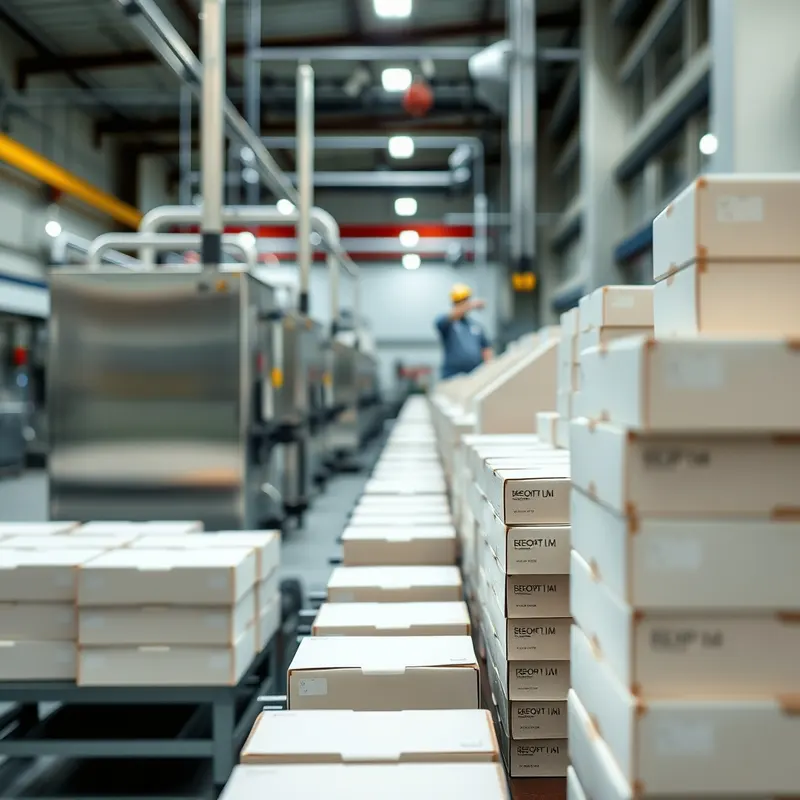
Chili paste problems rarely show up during production — they show up four weeks later in a shipping container. Oil-based pastes can separate at high temperatures common in sea freight containers, and poorly sealed glass jars can leak or crack under pressure changes. Ask your supplier directly about pasteurization or retort processing, water activity (aw) levels if available, and whether the product has been tested for shelf life at ambient tropical temperatures, not just refrigerated. If you're shipping by sea, request that samples be shipped by the same method and route you plan to use for the full order, so you can check for separation, discoloration, or seal failure before committing to a full container.
Labeling and import paperwork your destination will ask for
Every destination country has its own food labeling and import rules, so check with your customs broker or food safety authority before finalizing packaging — but a few things are consistently requested. You'll generally need a full ingredient list in the destination language, allergen declarations (shrimp, fish, soy, and sesame are common in Thai chili pastes), net weight, and country of origin. For the commercial invoice and import declaration, the HS code matters: chili pastes and sauces are typically classified under HS heading 2103 (sauces and preparations), but confirm the exact subheading with your broker since classification affects duty rate. If your supplier can provide a Certificate of Free Sale or export documentation from Thai authorities, that typically speeds up clearance and can be useful for retail buyers who want proof the product is legally sold domestically in Thailand.

Samples, trial orders, and vetting before a full container
Because chili paste quality and consistency vary more between producers than many buyers expect, order samples from two or three suppliers before committing. Compare not just taste but texture, oil separation after a few weeks sitting at room temperature, and label accuracy against what was verbally promised. If you plan to private label in Thailand rather than resell an existing retail brand, confirm early whether your chosen producer actually offers private label production or only sells under their own brand — this is a common point of confusion with smaller Thai food producers who may not have a formal private label process set up.
Working with a sourcing agent versus going direct
If you don't have an existing relationship with a Thai food producer, it's often more efficient to request quotes from Thai suppliers through a sourcing agent, trade show contact, or platforms that specialize in matching retail buyers with vetted food manufacturers. This doesn't replace your own due diligence on labeling and shelf life, but it narrows the field to producers who already have export experience, which reduces the chance of discovering mid-shipment that a supplier has never dealt with international paperwork before.
Need expert support?
Leave your details and our team will get back to you.
FAQ
Frequently asked questions
Does Thai chili paste need refrigeration during shipping?
Most commercially produced, oil-based or properly processed chili pastes are shelf-stable at room temperature, but this depends on the specific recipe and whether it's been pasteurized or retort-processed. Ask your supplier directly and request a trial shipment by your intended freight method before ordering a full container.
What HS code is used for importing Thai chili paste?
Chili pastes and similar condiments are typically classified under HS heading 2103 (sauces and preparations for sauces), but the exact subheading and applicable duty rate depend on ingredients and your destination country's tariff schedule. Confirm with your customs broker before finalizing your invoice.
Can I get a private label version of Thai chili paste?
Some manufacturers offer private label in Thailand for retail-ready products like chili paste, but not every producer — especially smaller or cottage-industry makers — has this set up. Ask early in supplier discussions rather than assuming it's standard.
How do I verify a Thai chili paste supplier is a licensed manufacturer?
Ask for their Thai FDA manufacturing license number and cross-check it where possible, or request supporting export documents such as a Certificate of Free Sale. This also helps clarify whether you're dealing with the actual producer or a reseller repackaging someone else's product.
Prepared by the Import Thai team for informational purposes. Some links may lead to referred partners.
Articles
Related articles

How to Import Thai Tea and Coffee Products
If you want to know how to import Thai tea and coffee products, the short answer is: decide your product format first, check your country's food import rules early, then find a sup

How to Import Thai Curry Paste in Bulk
Formats, supplier types, food paperwork, shelf life, duty and landed cost - what to settle before you place a bulk curry paste order from Thailand.

Thai Dried Fruit Wholesale Import: A Buyer's Guide to Sourcing from Thailand
If you're exploring Thai dried fruit wholesale import for the first time, the biggest worry is usually the same one every buyer faces: how do you find a reliable producer, understa

Thai Rice Exporters Guide: How to Find and Vet Suppliers in 2024
If you're sourcing rice from Thailand for the first time, the biggest worry isn't finding a supplier — it's finding the right one. Thailand exports several rice grades (Jasmine, wh

Thai Food Products for Export: Which Categories Travel Well?
Thai food products for export range from shelf-stable sauces to dried fruit and instant noodles, but not every category travels well. This guide explains how to judge
How to Import Thai Mango Sticky Rice Snacks: A Practical Buyer's Guide
Mango sticky rice has moved from Bangkok street stalls to packaged snack shelves worldwide — freeze-dried mango pieces, coconut-glutinous rice bars, and shelf-stable dessert cups a