Thai food & snacks
Thai Rice Exporters Guide: How to Find and Vet Suppliers in 2024
If you're sourcing rice from Thailand for the first time, the biggest worry isn't finding a supplier — it's finding the right one. Thailand exports several rice grades (Jasmine, wh
If you're sourcing rice from Thailand for the first time, the biggest worry isn't finding a supplier — it's finding the right one. Thailand exports several rice grades (Jasmine, white, glutinous, parboiled) through a mix of large export houses, regional mills and trading intermediaries, and quality, documentation and pricing can vary a lot between them. This guide walks through how Thai rice exporters are structured, what paperwork to expect, how pricing and logistics work, and how to vet a supplier before you commit to a shipment. The goal is to help you ask better questions early, so you avoid the common mistakes that cost importers time and money.
How the Thai rice export industry is structured
Thailand's rice export chain typically runs from farmers to local mills, then to exporters (some of whom are also mill owners), and finally to a Thai wholesale distributor or trading company that handles international orders. Large exporters often deal directly with overseas buyers and have their own export licenses, inspection processes and shipping contacts. Smaller mills may sell through trading intermediaries who consolidate orders for export — this can work well, but it adds a layer you should understand clearly, including who is legally responsible for the contract and the export documents. Before engaging anyone, ask directly whether you're dealing with the mill, an export company, or a broker reselling on behalf of others. This single question clarifies a lot about pricing, flexibility and accountability.
Rice grades, standards and quality documentation
Thai rice is graded by variety (Hom Mali/Jasmine, white rice, glutinous, parboiled) and by quality parameters such as broken percentage, moisture content and whiteness. Reputable exporters should be able to provide a certificate of analysis or inspection report for each shipment, along with phytosanitary certificates required for import clearance. Standards and certification requirements are published by Thailand's Department of Foreign Trade and the Ministry of Commerce, and it's worth checking the latest rules directly with DITP or your customs broker rather than relying solely on a supplier's description. If a supplier can't produce basic documentation on request, treat that as a signal to ask more questions, not necessarily to walk away — some smaller mills genuinely export less often and may need guidance on what international buyers expect.
Pricing, payment terms and how to request quotes from Thai suppliers
Rice pricing moves with global supply, exchange rates and local harvest conditions, so published price lists age quickly. The practical approach is to request quotes from Thai suppliers directly, specifying grade, broken percentage, packaging (jumbo bags vs retail-ready bags) and destination port, since all of these affect the final price. Expect to discuss payment terms — common structures include a deposit with balance on shipment, or letter of credit for larger volumes — but these are negotiated case by case rather than fixed. Quantity and minimum order thresholds also vary by exporter and should be confirmed directly when you ask for a quote, rather than assumed from general industry figures.
Vetting suppliers: how to find verified Thai suppliers
Vetting matters more in rice than in many other categories because quality issues (mixed grades, incorrect moisture levels, mislabeled broken percentage) are hard to spot without lab testing after the goods have already shipped. Steps worth taking: ask for an export license and company registration, request references from existing overseas buyers, and where possible arrange a third-party pre-shipment inspection. Working through platforms or directories that list verified Thai suppliers can shorten this process, since some of that vetting is done upfront — but it doesn't replace your own due diligence on a first order. Treat your first shipment as a trial: smaller volume, full documentation, and a pre-shipment inspection if the order size justifies it.
Shipping, customs and what to check before the goods leave Thailand
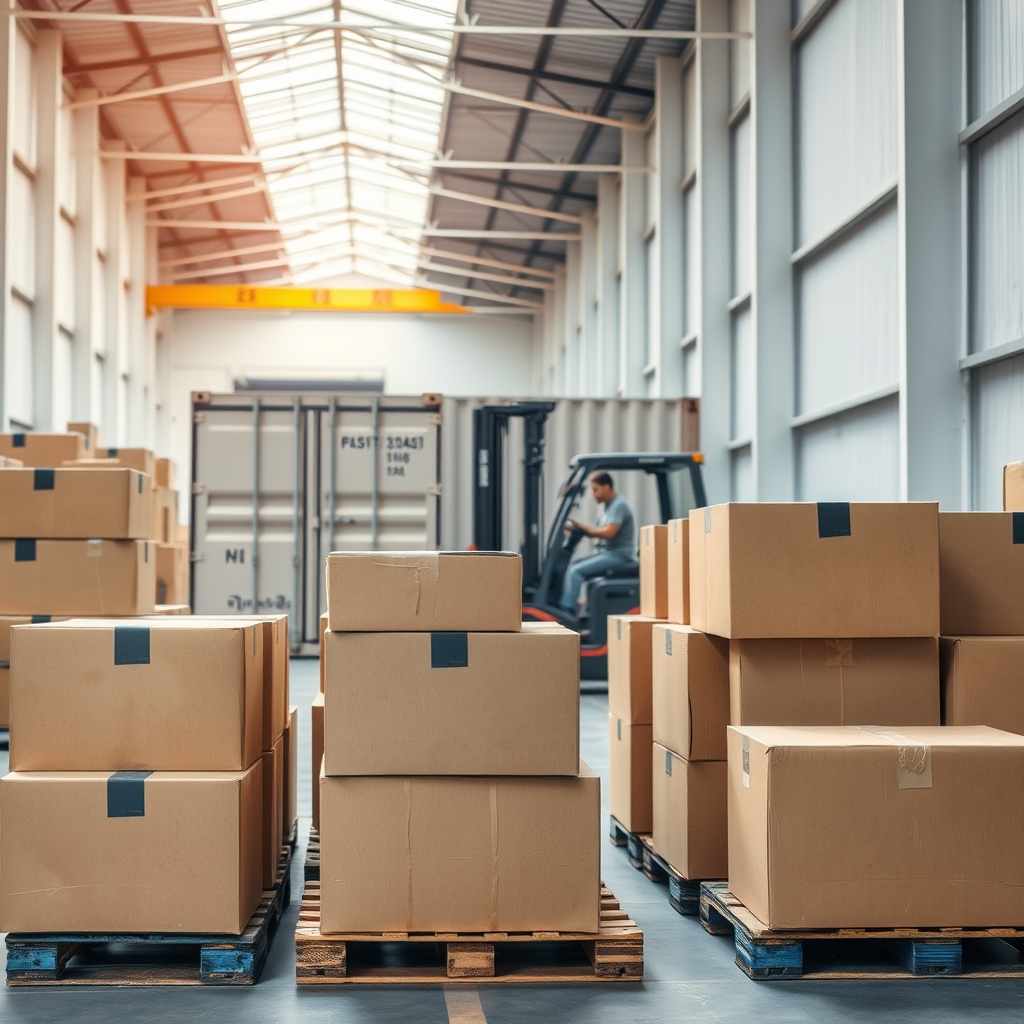
Rice typically ships by sea freight in bulk, container (FCL) or consolidated (LCL) depending on volume, from ports such as Bangkok or Laem Chabang. Before booking, confirm with the exporter who arranges export customs clearance in Thailand and who is responsible for the bill of lading, packing list and certificate of origin — these documents are what your customs broker at destination will need. Import rules differ by country, so always check specific tariff codes, quarantine requirements and labeling rules with the customs authority or a licensed broker in your own market rather than relying on the exporter's assumptions about your country's regulations.
Beyond rice: sourcing other Thai categories through the same channels
Many buyers who start by importing rice later expand into other Thai categories, and it's worth knowing the landscape even if you're not ordering yet. Thailand has an established base of manufacturers in Thai herbal products and Thai skincare wholesale lines, often sold through the same trading companies or distributors that handle food exports, since many exporters diversify across product categories to serve overseas retailers. If you're building a broader sourcing strategy, platforms like ThaiNex and THAIMOST list suppliers across food, wellness and skincare categories, which can be a useful starting point alongside direct mill and exporter contacts.
Need expert support?
Leave your details and our team will get back to you.
FAQ
Frequently asked questions
What's the difference between buying from a mill and from a Thai wholesale distributor?
A mill processes and may export rice directly, while a distributor typically sources from multiple mills and consolidates orders for overseas buyers. Distributors can offer more flexibility on product mix and smaller volumes, but add a margin; mills may offer better pricing on larger, single-grade orders but less flexibility.
How do I confirm a Thai rice exporter is legitimate?
Ask for their export license, company registration documents and references from existing buyers. Checking that they appear in supplier directories or marketplaces that list verified Thai suppliers can add a layer of confidence, but direct document checks and, for larger orders, a pre-shipment inspection remain important.
Can I request a sample before placing a full order?
Most exporters can provide samples for quality assessment, though terms (cost, shipping) vary by supplier and should be confirmed directly. It's a reasonable step to include when you request quotes from Thai suppliers for the first time.
Do Thai rice exporters also sell other products like skincare or herbal goods?
Some trading companies handle multiple categories, including Thai herbal products and Thai skincare wholesale lines, alongside food exports. If you're sourcing across categories, it's worth asking a supplier directly what else they export rather than assuming.
Prepared by the Import Thai team for informational purposes. Some links may lead to referred partners.
Articles
Related articles
Thai Herbal Products Wholesale: What Importers Should Know First
Thai herbal products wholesale looks simple from the outside: balms, inhalers, teas and oils that already sell themselves in tourist shops. The difficulty starts when you try to im

Thai FDA Certificate for Export: What Importers Actually Need to Check
If you're sourcing skincare, supplements or herbal products from Thailand, you've probably asked a supplier for "FDA certification" and gotten a scanned document you can't fully re
Shipping from Thailand to Europe: A Practical Guide for Importers
Shipping from Thailand to Europe raises the same worry for almost every first-time importer: how do I get goods from a Thai supplier to my warehouse without surprise costs or paper