Thai food & snacks
How to Import Thai Mango Sticky Rice Snacks: A Practical Buyer's Guide
Mango sticky rice has moved from Bangkok street stalls to packaged snack shelves worldwide — freeze-dried mango pieces, coconut-glutinous rice bars, and shelf-stable dessert cups a
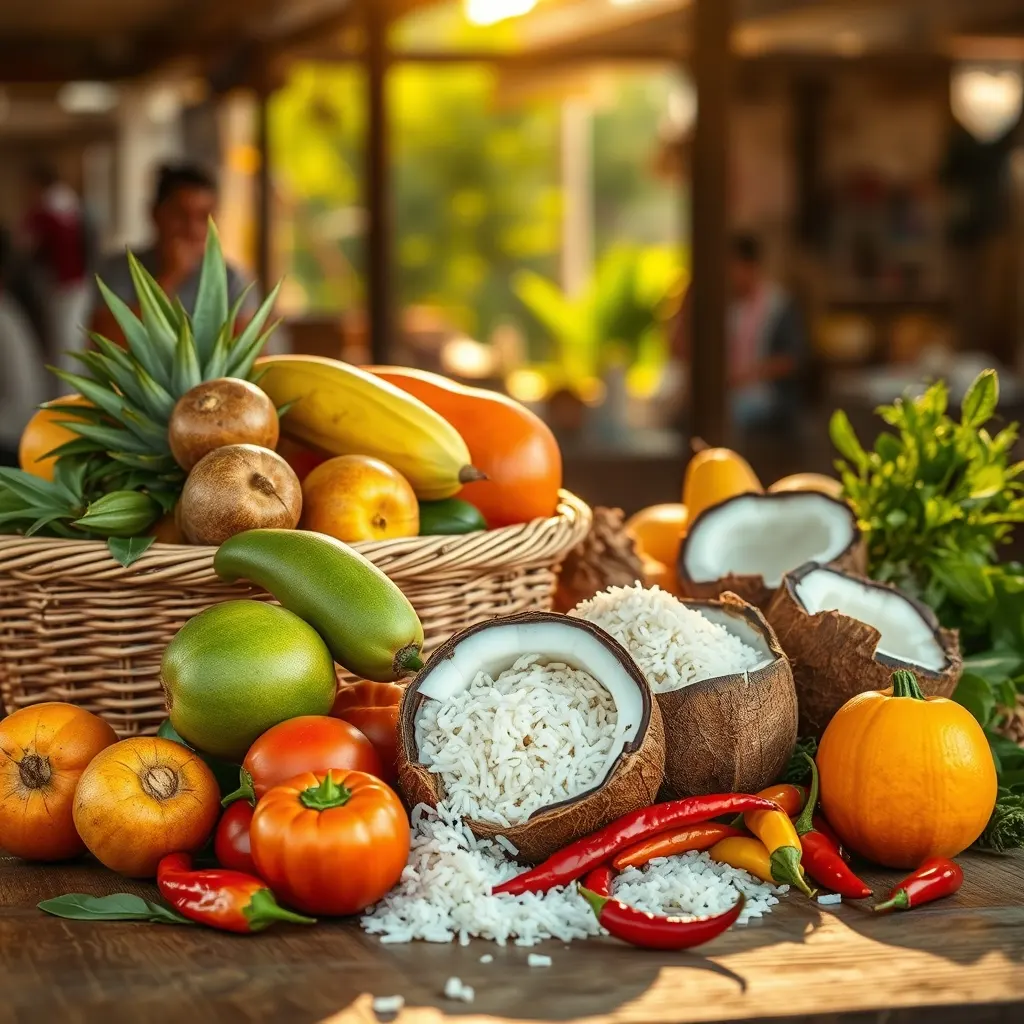
Mango sticky rice has moved from Bangkok street stalls to packaged snack shelves worldwide — freeze-dried mango pieces, coconut-glutinous rice bars, and shelf-stable dessert cups are now popular with retailers chasing novelty Asian snacks. If you're asking how to import Thai mango sticky rice snacks without wasting money on a bad first shipment, the short answer is: find a manufacturer (not a trader reselling someone else's stock), confirm the product's shelf-stability and labeling fit your market's food rules, and get samples tested before committing to a bulk order. This guide walks through sourcing, documentation, shipping and the mistakes that trip up first-time buyers.
1. Understand what you're actually buying
"Mango sticky rice snack" covers several very different product types, and the category matters for shelf life, import rules and packaging: freeze-dried mango sticky rice (long shelf life, lightweight, easiest to export by sea or air), vacuum-sealed or retort-pouch versions (shelf-stable but heavier), and chilled/frozen dessert cups (short shelf life, need cold chain, rarely practical for a first import order). Most overseas buyers start with freeze-dried or shelf-stable formats because they tolerate ocean freight and don't need refrigeration at customs. Ask the supplier directly which category their product falls into and request the shelf-life test data — don't assume from the packaging photos alone.
2. Where to find real manufacturers, not just traders
Thailand has a mix of large snack manufacturers (some exporting under their own brand, some doing contract/private label), smaller regional producers near mango-growing areas like Chiang Mai, Ratchaburi and the eastern provinces, and trading companies that simply repackage from factories. For a first order, it's worth confirming you're talking to the actual production site — ask for a factory address, photos or video of the line, and the names of any certifications they hold (if certification matters to your market, verify it independently rather than taking a claim at face value). Thailand's DITP (Department of International Trade Promotion) runs trade fairs like THAIFEX where mango-based snack exporters exhibit, and that's a reasonable starting point for finding verified exporters rather than relying only on B2B marketplace listings.
3. Labeling, food safety and import documentation
Thai FDA registration (Or.Aor. number) is relevant for products sold domestically in Thailand, but your import country will have its own food safety and labeling rules — ingredient declarations, allergen statements, nutrition panels and sometimes a local importer-of-record requirement. Before placing a bulk order, check with your customs broker or food safety authority what's required for packaged snack imports in your country; rules differ a lot between the US, EU, UK, Australia and Southeast Asian markets, especially around rice-based and dairy-adjacent (coconut milk) products. Ask the supplier for the ingredient list, allergen info and any lab test reports (microbiological, shelf-life) they already have — reputable manufacturers will have this on file even if a specific certification isn't guaranteed for every SKU.
4. Sampling and quality checks before you commit
Order samples before any bulk commitment — not just to taste, but to test how the product survives transit. Freeze-dried mango sticky rice can be fragile; check for crushing, moisture ingress and packaging seal integrity after the sample has sat for a few weeks at room temperature. If possible, have a third-party lab or your own QC contact check for moisture content and shelf-life claims rather than relying solely on the supplier's figures. This is also the stage to confirm packaging — retail-ready pouches with your own labeling (private label) versus the supplier's existing branding — since relabeling after production is rarely straightforward once goods are already packed.
5. Shipping, Incoterms and cost planning
Dried and shelf-stable snack products usually ship by sea freight (LCL for smaller trial orders, FCL once volumes justify it) or air for faster, smaller test shipments. Packaging weight, box dimensions and whether the product needs any special handling (fragile freeze-dried pieces, for example) all affect freight cost — ask your freight forwarder for a quote based on actual carton dimensions rather than estimating from the sample. Agree Incoterms (FOB is common from Thai ports) and get clarity in writing on who handles export documentation, phytosanitary certificates if required for agricultural-origin ingredients, and import duty classification (HS code) before the shipment leaves Thailand — misclassified goods cause delays and unexpected duty at the destination port.
6. Common mistakes first-time importers make
The recurring issues buyers run into: ordering a full container before testing how the product performs after weeks in transit; assuming a trading company's price includes export documentation it doesn't actually prepare; skipping allergen/ingredient verification because the sample tasted good; and not confirming whether the supplier can produce consistent batches at the volume you'll eventually need. None of these are dealbreakers if caught early — they're reasons to start with a smaller trial shipment, build the paperwork checklist with your customs broker up front, and treat the first order as a test of the supplier's reliability as much as the product's quality.
Need expert support?
Leave your details and our team will get back to you.
FAQ
Frequently asked questions
Do I need Thai FDA approval to import mango sticky rice snacks?
Thai FDA registration applies to products manufactured and sold within Thailand. For export, what matters more is your own country's food import and labeling requirements — check with your customs broker or local food safety authority before finalizing an order.
What's the best packaging format for exporting mango sticky rice snacks?
Freeze-dried or shelf-stable vacuum-sealed formats are the most practical for sea or air freight, since they don't require cold chain. Chilled or frozen versions are harder to import economically unless you have established cold-chain logistics.
Can I get private label packaging for mango sticky rice snacks?
Many Thai snack manufacturers offer private label in Thailand for buyers ordering at sufficient volume, but minimums, lead time and packaging options vary by factory — ask for specifics when you request a quote rather than assuming standard terms.
How do I verify a supplier is a real manufacturer and not a reseller?
Ask for factory address, production line photos or video, and references. Trade fairs like THAIFEX (organized with DITP support) and verified B2B platforms are more reliable starting points than unverified marketplace listings.
Prepared by the Import Thai team for informational purposes. Some links may lead to referred partners.
Articles
Related articles
Packing Thai Snacks for Export Without Breakage or Spoilage
If your containers of Thai snacks keep arriving with crushed bags, condensation, or failed shelf tests, the problem usually starts well before the port — it starts with packing cho

How to Import Thai Coconut Milk Powder: A Step-by-Step Guide for Buyers
If you're planning to import Thai coconut milk powder, your biggest worry is probably not the product itself — it's whether the supplier is reliable, whether the paperwork will cle

Shelf Life Requirements for Importing Thai Snacks: What Buyers Need to Know
If you're sourcing Thai snacks for resale abroad, shelf life is often the first thing that trips up a shipment — not price, not packaging design, but how long a product legally and

Thai Coconut Oil Export Regulations: What Importers Must Check
Thai coconut oil export regulations are not one single rulebook. The rules that apply to your shipment depend on whether the oil is sold as food, as a cosmetic ingredient or as a f

Thai Food Products for Export: Which Categories Travel Well?
Thai food products for export range from shelf-stable sauces to dried fruit and instant noodles, but not every category travels well. This guide explains how to judge

Importing Thai Sauces and Condiments: A Practical Buyer Guide
Importing Thai sauces and condiments looks simple next to cosmetics or electronics, yet it trips up more first-time buyers than almost