Thai food & snacks
How to Import Thai Tea and Coffee Products: A Step-by-Step Guide
If you want to know how to import Thai tea and coffee products, the short answer is: decide your product format first, check your country's food import rules early, then find a sup
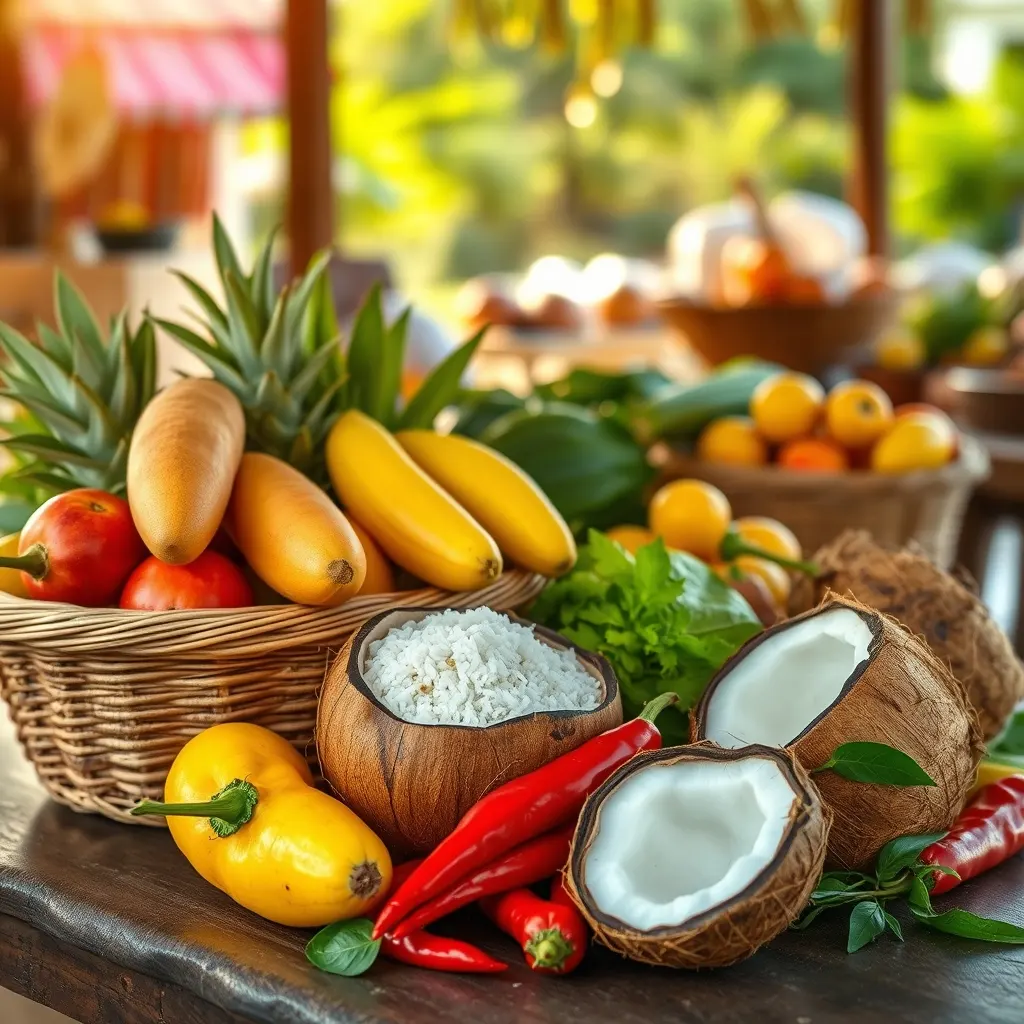
If you want to know how to import Thai tea and coffee products, the short answer is: decide your product format first, check your country's food import rules early, then find a supplier who can provide product-specific documents. Thai tea mixes, roasted and ground coffee, instant coffee and herbal infusions all travel well, but each falls into a different regulatory and labelling category. This guide walks through the decisions, paperwork and common mistakes so your first shipment clears smoothly.
Know what you are importing: product formats and categories
"Thai tea and coffee" covers very different products, and the category you choose shapes almost every later step. Common formats include:
- **Thai tea mixes**: black tea blends, often with added colouring and flavouring, sold loose or in bags for brewing milk tea;
- **Roasted coffee beans and ground coffee**: from growing regions in northern Thailand, sold to cafés and specialty retailers;
- **Instant and 3-in-1 coffee**: powdered sachets with sugar and creamer, a large retail category;
- **Functional coffee and tea**: products with added herbs, vitamins or fibre, marketed for wellness;
- **Herbal infusions**: lemongrass, butterfly pea, pandan, roselle and similar blends.
Why this matters: a plain roasted coffee is usually treated as a simple food, while a functional coffee with added ingredients may be classified differently and attract extra scrutiny on claims. Colourings used in some tea mixes may be permitted in Thailand but restricted elsewhere. Start by listing exact formats and ingredients, then check how your market classifies each one. That single step prevents most rejected shipments.
Check import rules in your destination market first
Food import rules differ by country, and they change. Treat the following as general orientation only and confirm details with your customs broker or food authority before ordering.
Most markets look at a similar set of issues for tea and coffee:
- **Importer registration**: many countries require the importer of record, and sometimes the foreign facility, to be registered with a food authority;
- **Ingredient compliance**: additives, colourings, sweeteners and added herbs must be permitted in your market at the levels used;
- **Labelling**: local-language labels, ingredient lists, allergen statements, net quantity, best-before dates and importer details;
- **Health and nutrition claims**: words like "detox", "slimming" or "boosts immunity" are tightly regulated in many markets;
- **Tariffs and origin**: duty rates depend on the HS code; some trade agreements reduce duty when a valid certificate of origin is presented.
On the Thai side, the Thai FDA regulates food production and the Department of Foreign Trade issues certificates of origin. Ask your supplier which documents they can issue for each product, and confirm with your broker which ones your market actually needs.
Finding and vetting Thai tea and coffee suppliers
You can source Thai coffee and tea from several types of seller, each with trade-offs:
- **Brand owners and manufacturers**: best for consistent specifications and documents; may expect larger, regular orders;
- **Distributors and exporters**: handle mixed orders across brands and categories, convenient for smaller importers;
- **Small roasters and farm cooperatives**: good for specialty coffee stories, but check capacity and export experience;
- **Trade shows and B2B platforms**: useful for building a shortlist quickly. Directories such as THAIMOST list verified Thai suppliers alongside government export directories and trade fair exhibitor lists.
When vetting, ask for the company registration, food production certifications (such as GMP or HACCP where applicable), a product specification sheet, and examples of previous export shipments. Verification badges and certificates reduce risk but never replace your own checks.
A simple test of seriousness: send the same written brief to three or four Thai food and beverage suppliers and compare how clearly they respond. Suppliers who answer questions about ingredients, shelf life and documents precisely are usually easier to work with later.
Samples, specifications and shelf life
Never skip samples. For tea and coffee, sensory quality is the product, and small differences in roast level, grind, sweetness or aroma decide whether customers reorder.
When samples arrive, evaluate them against a written specification:
- **Taste and aroma**: brew according to the intended use, such as espresso, drip or milk tea, and record notes;
- **Moisture and freshness**: coffee loses aroma quickly once opened; check packaging with one-way valves for beans;
- **Ingredient list**: compare with what your market permits, especially colourings and sweeteners in tea mixes;
- **Shelf life and date format**: confirm how best-before dates are printed and how much shelf life remains at shipment;
- **Packaging durability**: sachets and pouches must survive long transit and humidity.
Agree in writing which sample is the approved reference for production. Ask how batch numbers are recorded so you can trace any issue later.
A common mistake is approving a sample brewed by the supplier during a visit, then receiving a production batch that tastes different in your market because of water, equipment or storage. Test in conditions close to how your customers will use the product.
Quotes, shipping and landed cost
Ask suppliers to quote on the same basis, ideally with a named Incoterm such as FOB Bangkok or Laem Chabang, so you can compare fairly. You can request quotes from Thai suppliers individually or through a platform, but always confirm in writing what is included.
To understand your real margin, build a landed cost estimate that includes:
- product cost and packaging;
- export documents and any testing required;
- freight, insurance and port charges;
- import duty and taxes based on the HS code;
- broker fees, local labelling and warehousing.
Shipping choice depends on volume and value. Sea freight is common for larger or heavier orders; air freight or courier may suit samples, small premium coffee lots or urgent restocks. Transit times and costs vary by route and season, so rely on current forwarder quotes rather than averages.
Tea and coffee absorb odours and moisture. Ask your forwarder about container hygiene, avoid co-loading with strong-smelling goods, and consider moisture absorbers for sea freight. These small details protect flavour, which is the main reason customers buy Thai coffee and tea in the first place.
Common mistakes new importers make
Most problems with Thai tea and coffee imports come from a handful of avoidable errors:
- **Assuming food rules match Thailand's**: an ingredient allowed in Thailand may need reformulation or relabelling for your market;
- **Copying Thai marketing claims**: health wording on the original pack may not be allowed where you sell;
- **Ordering too many SKUs at once**: start with a focused range and add products once sell-through is proven;
- **Ignoring remaining shelf life**: a long voyage plus slow sales can leave stock close to expiry;
- **Labels left until arrival**: designing local labels late causes storage costs while goods wait;
- **Paying in full upfront to a new supplier**: use staged payment terms where possible and clear written agreements.
A practical next step: write a one-page brief listing formats, target market, expected volume and required documents. Share it with a customs broker for a compliance check, then with a shortlist of suppliers. With that foundation, your first order becomes a manageable test rather than a gamble.
Need expert support?
Leave your details and our team will get back to you.
FAQ
Frequently asked questions
Do I need a special licence to import tea and coffee?
Many countries require food importers to register with a food authority, and some require registration of the foreign producer too. Requirements depend on your market and product type, so confirm with your customs broker or national food agency before you place an order.
Can I import Thai tea mixes with colouring?
Possibly, but check first. Some colourings used in Thai tea blends are permitted in certain markets and restricted in others. Ask the supplier for the full ingredient list and verify each additive against your local food regulations. Some suppliers can offer alternative blends.
Is sea or air freight better for coffee?
It depends on volume, value and urgency. Sea freight usually suits larger orders, while air or courier may fit samples and small premium lots. Whatever the mode, protect coffee from moisture and odours with suitable packaging and avoid co-loading with strong-smelling cargo.
How many products should my first order include?
Start with a focused selection you can evaluate properly, for example a few tea and coffee items that cover different price points. Track sell-through and customer feedback, then expand. Smaller, well-tested ranges reduce both stock risk and compliance workload.
Prepared by the Import Thai team for informational purposes. Some links may lead to referred partners.
Articles
Related articles
How to Import Thai Mangosteen Products: A Buyer's Guide
Wondering how to import Thai mangosteen products without losing a shipment to spoilage or paperwork? Mangosteen is one of the more demanding items to bring in from Thailand, becaus

How to Import Thai Curry Paste in Bulk: A Buyer's Guide
Formats, supplier types, food paperwork, shelf life, duty and landed cost - what to settle before you place a bulk curry paste order from Thailand.
How to Import Thai Instant Noodles: A Practical Buyer Guide
Learning how to import Thai instant noodles is less about finding a factory and more about three decisions made before you ask for a quote.
Best Way to Pack Thai Snacks for Export: A Practical Guide
If your containers of Thai snacks keep arriving with crushed bags, condensation, or failed shelf tests, the problem usually starts well before the port — it starts with packing cho

Thai Dried Fruit Wholesale Import: A Buyer's Guide to Sourcing from Thailand
If you're exploring Thai dried fruit wholesale import for the first time, the biggest worry is usually the same one every buyer faces: how do you find a reliable producer, understa

Thai Food Products for Export: Which Categories Travel Well?
Thai food products for export range from shelf-stable sauces to dried fruit and instant noodles, but not every category travels well. This guide explains how to judge