Customs & compliance
What Happens If a Shipment Is Held at Customs? A Practical Guide for Importers from Thailand
A customs hold is one of the most stressful moments in importing: your goods are sitting in a bonded warehouse, the deadline for your retail launch is approaching, and nobody seems
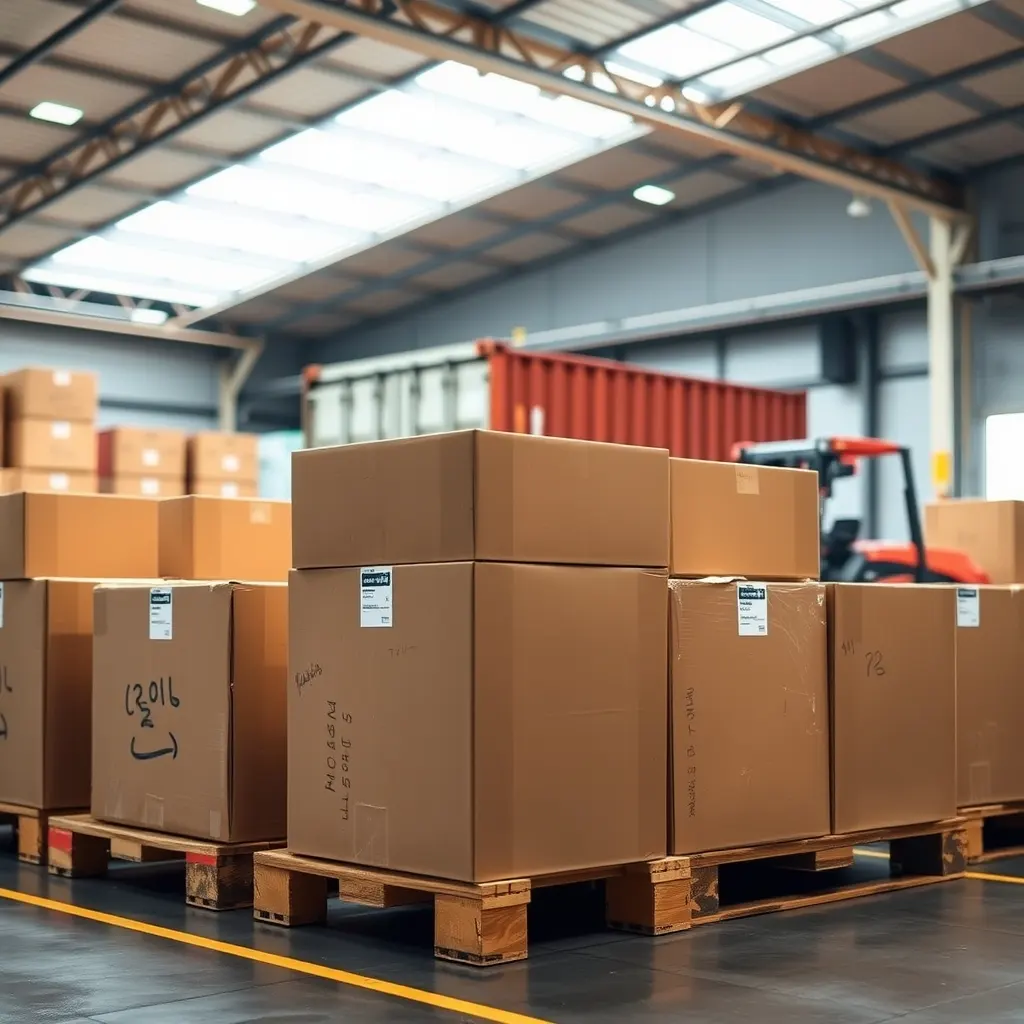
A customs hold is one of the most stressful moments in importing: your goods are sitting in a bonded warehouse, the deadline for your retail launch is approaching, and nobody seems to have a clear timeline. If your shipment from Thailand has been flagged, the good news is that most holds are routine and resolvable — but how fast they clear depends on why the hold happened, how complete your paperwork is, and how quickly you respond. This guide walks through the common reasons shipments get held, what the process looks like step by step, and how to reduce the chance it happens again.
Why shipments get held at customs
Customs holds generally fall into a few categories. The most common is documentation mismatch — the invoice value, HS code, product description or country of origin on your paperwork doesn't match what the officer sees in the shipment, or required documents (packing list, certificate of origin, health/safety certificates for regulated goods) are missing or incomplete. Another frequent trigger is a random or risk-based inspection, where customs selects a shipment for physical examination regardless of paperwork quality — this is routine and not a sign of a problem with your supplier. Valuation disputes happen when the declared value looks unusually low compared to similar goods, prompting customs to request supporting documents like bank transfer records or the original sales contract. Finally, regulated categories — food, cosmetics, supplements, electronics, textiles with labeling rules — are more likely to be checked for compliance with import regulations specific to your destination country, such as labeling language, registration numbers, or safety marks. Each cause has a different resolution path, which is why identifying the exact reason from the customs notice is the first thing to do.
Step by step: what happens after a hold is issued
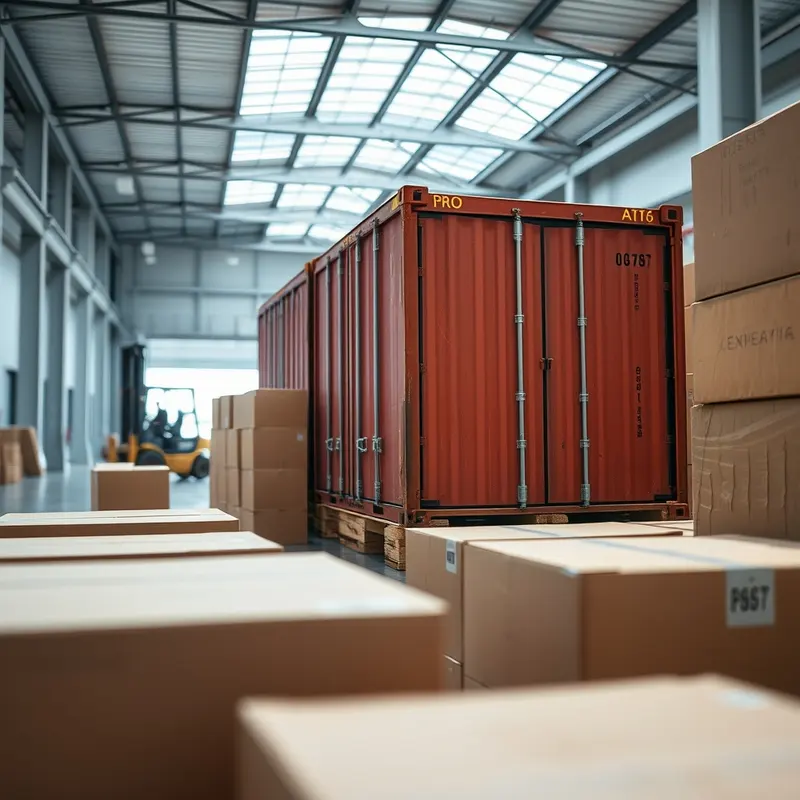
When customs flags a shipment, you (or your customs broker) typically receive a notice specifying the reason — sometimes vague ('held for inspection'), sometimes specific ('HS code discrepancy, Item 3'). The shipment then sits in a bonded area while the review happens. If it's a random inspection, officers open and check the cargo against the manifest; if everything matches, it's released, often within a few business days, though timing depends entirely on the port's current workload and the complexity of your case. If it's a documentation issue, you'll usually be asked to submit corrected or additional paperwork — this is where having a responsive supplier in Thailand who can quickly reissue an invoice or provide a certificate of origin makes a real difference. If it's a valuation query, you may need to provide the payment trail (wire transfer receipt, PO, supplier invoice) to justify the declared price. Throughout this process, demurrage and storage fees usually continue to accrue at the port or bonded warehouse, so even a 'simple' documentation fix can become costly if it drags on. This is the main reason experienced importers treat customs holds as urgent from day one rather than waiting for updates.
Who to contact and how to respond quickly
Your first call should be your customs broker or freight forwarder, since they interface directly with the customs authority and can usually tell you exactly which document or code triggered the hold. If you don't have a broker handling clearance, you'll need to contact the customs office directly using the reference number on the hold notice. At the same time, loop in your Thai supplier or sourcing partner — they often hold the original commercial documents, manufacturing details, or ingredient lists that customs is asking for, and getting a corrected document from Thailand can take a day or more depending on time zones and how organized the supplier's export paperwork process is. If your shipment involves regulated products, check with the relevant authority in your destination country (food safety agency, health department, standards body) rather than guessing at requirements — rules vary significantly by country and category, and an incorrect assumption can extend the hold rather than resolve it.
Costs and risks while goods are held
Beyond the obvious delay, a hold usually triggers storage or demurrage charges that accumulate daily once your free period at the port expires — these are set by the terminal or shipping line, not by customs, and can add up quickly on larger shipments. If the hold isn't resolved within a set window, some customs authorities move to auction or destroy the goods, particularly for perishable items or extended non-response cases; this is rare but worth knowing the timeline for at your specific port. There's also a reputational and cash-flow cost: inventory you've already paid for isn't generating revenue, and if you've committed it to a retail launch or marketplace listing, delays can cascade into missed sales windows. None of this is a reason to panic, but it is a reason to treat a hold notice as something to act on within the same business day, not the same week.

How to reduce the chance of a hold next time
Most recurring holds trace back to the same root causes: inconsistent product descriptions between invoice and packing list, HS codes that don't match the actual product classification, or missing certificates for regulated categories. Before your next shipment leaves Thailand, double-check that your supplier's invoice, packing list and any certificates of origin or analysis use consistent wording and match what you've declared to your broker. If you're importing a regulated category for the first time — supplements, cosmetics, food products — it's worth confirming in advance with your destination country's import authority what documentation they expect, rather than finding out after the shipment is already held. Working with a supplier or sourcing partner who understands export documentation, and a broker familiar with your product category, reduces the odds of a repeat hold considerably. Platforms and sourcing networks in the Thai import ecosystem, such as THAIMOST or 5FINE, are sometimes used by buyers precisely because suppliers on these platforms are more accustomed to producing export-ready paperwork — but regardless of where you source, the responsibility for correct classification and declared value ultimately sits with the importer of record.
Need expert support?
Leave your details and our team will get back to you.
FAQ
Frequently asked questions
How long can a shipment be held at customs?
There's no universal timeline — it depends on the reason for the hold, the port's workload, and how quickly you supply any requested documents. A straightforward documentation fix might resolve in a few business days, while a valuation dispute or compliance review can take longer. Check with your broker or the customs office handling your case for a realistic estimate.
Will I have to pay extra fees if my shipment is held?
In most cases, yes — storage or demurrage fees from the port or shipping line typically continue to accrue while the shipment sits in a bonded area, separate from any customs duties owed. These charges vary by terminal, so it's worth asking your forwarder how the daily rate is calculated as soon as a hold is issued.
What should I do first when I get a customs hold notice?
Identify the exact reason stated on the notice, then contact your customs broker (or the customs office directly if you're handling clearance yourself) to confirm what's needed to release the shipment. In parallel, reach out to your supplier for any missing documents, since reissuing an invoice or certificate from Thailand takes time.
Can a shipment be confiscated if it stays held too long?
It's possible in cases of prolonged non-response, unresolved compliance violations, or certain perishable/restricted goods, but this is generally a last resort after multiple notices go unanswered. Responding promptly to the initial hold notice is the best way to avoid reaching that point — check with your destination country's customs authority for the specific timeline that applies to your case.
Prepared by the Import Thai team for informational purposes. Some links may lead to referred partners.
Articles
Related articles

How to Register as an Importer of Record: A Practical Guide
If you want to know how to register as an importer of record, the first thing to understand is that there is no single global registration. The importer of record is the party lega

Import Duties on Thai Products: How They Are Calculated
Import duties on Thai products depend on three things you control more than you think: the HS code, the declared customs value, and your proof of origin.

Certificate of Origin Thailand Form D: A Practical Guide for Importers
If you're importing from Thailand into another ASEAN market and trying to reduce or eliminate import duty, you've probably run into the term "Form D." This is the certificate of or

What Documents Does a Customs Broker Need From an Importer?
The documents a customs broker needs from an importer bringing goods in from Thailand: identity and registration, commercial paperwork, transport documents, origin certificates and product-specific permits.
Import Clearance Process at Thai Customs Explained for Buyers
The import clearance process at Thai customs explained from the buyer's side: what happens before your goods leave Thailand, which documents matter and where delays start.
Free Trade Agreement Thailand Import Benefits: What Buyers Gain
Free trade agreement Thailand import benefits are real but conditional. Here is what an FTA actually changes on your invoice, and what it leaves untouched