Thai food & snacks
Thai Sauce Shelf Life Shrinks in Transit. Here's Where It Goes
The date printed on a bottle of Thai fish sauce or sweet chili sauce is set at the factory. By the time it reaches your warehouse, part of that window has already been used up.
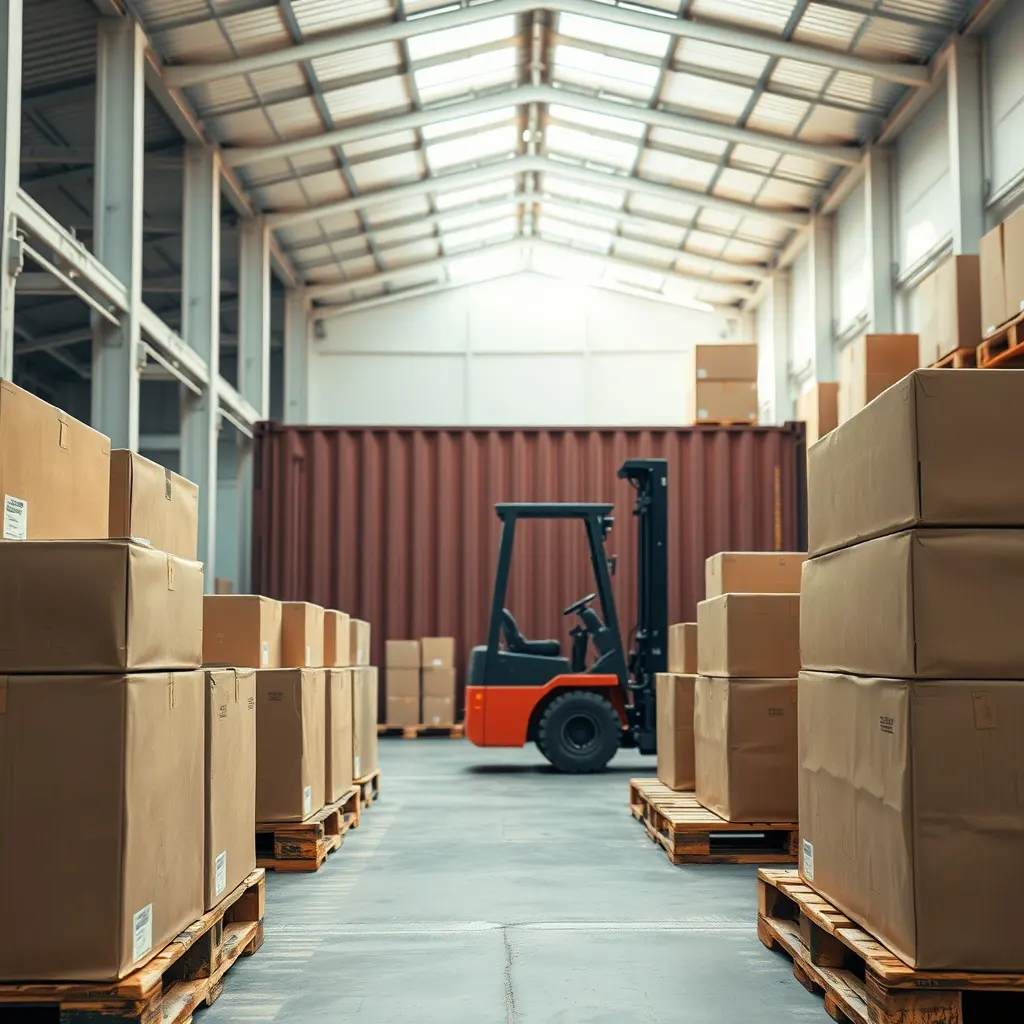
The date printed on a bottle of Thai fish sauce or sweet chili sauce is set at the factory. By the time it reaches your warehouse, part of that window has already been used up, and your retail buyers will want a healthy share of what remains. Understanding the shelf life of Thai sauces for export markets is less about the number on the label and more about how much usable life you actually receive, how it was tested, and what your destination market expects to see.
Total shelf life versus remaining shelf life
Importers often negotiate on the wrong figure. A supplier quotes the total shelf life, meaning the period from production to the best-before date. What matters commercially is the **remaining shelf life on arrival**, because that is what you can sell.
The gap between the two is made up of several stages:
- Time the finished goods sit in the factory warehouse before your order is allocated.
- Time spent on labelling, especially if export labels or stickers are applied after production.
- Consolidation, booking, and waiting for a vessel.
- Transit and port dwell time at both ends.
- Customs clearance, inspection and inland delivery.
Retailers and distributors in many markets set a minimum remaining-life threshold for accepting stock. If your goods arrive below it, they may be refused or pushed into discount channels. That is why the clause to put in your purchase order is not 'shelf life of X' but 'minimum remaining shelf life at time of shipment', with the production date visible on every carton.
Ask the supplier for the batch production date before goods are loaded, not after. A photo of the carton marking, matched against the packing list, takes a few minutes and avoids an expensive argument later.
Why different Thai sauces age differently
Thai sauces are not one category from a shelf-life perspective. Their stability depends on salt, sugar, acidity, water activity and how the product was processed and filled.
A rough way to think about the main groups:
- **Fish sauce and soy-based seasonings**: high salt content makes them microbiologically stable, but colour and aroma can darken and intensify over time, which some markets read as a quality issue.
- **Sweet chili and sriracha-style sauces**: sugar and acidity help, but colour fading and separation are common complaints, especially after heat exposure.
- **Oyster sauce and thick sauces**: starch-based textures can change, thicken or weep liquid.
- **Curry pastes and chili pastes**: lower water content, but oils can turn rancid and spices lose aroma; packaging barrier matters a lot.
- **Coconut-based sauces**: fat content makes them more sensitive to temperature and oxidation.
When you compare suppliers of **Thai sauces and seasonings**, ask how each product's shelf life was established. Was it real-time storage testing, accelerated testing, or simply the figure used for the domestic market? A domestic figure assumes Thai distribution conditions, not months inside a container. This single question tells you a lot about a supplier's export experience.
Heat, light and packaging: the silent shelf-life killers
Containers crossing the tropics can get very hot inside, and that heat accelerates every degradation reaction in a sauce. Products that look fine on paper can arrive darker, thinner or separated.
Packaging choices make a measurable difference:
- **Glass bottles** offer an excellent barrier against oxygen but add weight and breakage risk. Amber or tinted glass helps with light-sensitive products.
- **PET bottles** are lighter and cheaper to ship but allow more oxygen in over time. Ask whether the supplier uses barrier PET for longer-route exports.
- **Pouches and sachets** vary widely; multi-layer laminates perform very differently from single films.
- **Caps and seals**: induction seals under the cap reduce leakage and oxygen ingress during transit.
Practical steps an importer can take:
- Request photos or samples of the exact export packaging, not the domestic retail version.
- Discuss whether a reefer container or ventilated container makes sense for sensitive SKUs; the cost difference should be weighed against the value of the stock at risk.
- Avoid leaving containers at port in peak heat longer than necessary by aligning customs paperwork in advance.
None of this changes the printed date, but it decides whether the product still matches that date when it reaches the shelf.
Date formats and labels your market will check
A Thai sauce bottle may carry a production date and an expiry date in Thai format, sometimes using the Buddhist calendar year. Many destination markets require dates in a specific format and language, and some distinguish between 'best before' and 'use by'.
Points to clarify with the supplier before production:
- Which date format will appear on the export label, and whether the year is in the Gregorian calendar.
- Whether the label will show a production date, a best-before date, or both.
- Whether the date is printed directly on the bottle, on the cap, or on a sticker, since stickers can peel in humid storage.
- Whether the batch or lot code links to traceable production records.
Ingredient lists, allergen declarations, and storage instructions such as 'refrigerate after opening' also fall under labelling rules that differ by country. Thai FDA rules govern products made for sale in Thailand; for your own market, treat any summary you read as a reference only and check with your customs broker or the food authority at destination.
Some importers apply a local-language sticker after arrival. If you plan to do this, make sure it does not cover the original date or lot code, which inspectors may want to see.

What to ask a supplier before you commit
A short list of questions, sent before you request a formal quote, separates suppliers who regularly export from those who mostly sell domestically.
- How was the stated shelf life determined for this product, and can you share a summary of the stability data?
- What is the typical age of stock when an export order is shipped? Can you produce to order instead of shipping from existing inventory?
- Is the export formula identical to the domestic formula, or adjusted for longer transit?
- What packaging do you use for long-haul export, and has it been tested in container conditions?
- Can you provide a certificate of analysis per batch?
- Have you shipped this product to my market before, and were there any labelling corrections required?
When you **request quotes from Thai suppliers**, include your minimum remaining-shelf-life requirement in the request itself. It changes how suppliers plan production and makes quotes easier to compare. Platforms that list **verified Thai suppliers** can help you shortlist companies faster, but verification of a business is not the same as verification of a product's stability; you still need the answers above for each SKU. Working through a wholesale distributor that already holds stock is another option, with the trade-off that you have less control over production dates.
Building shelf life into your ordering rhythm
Once you know the real usable life of each sauce, you can plan orders around it rather than discovering the problem in your warehouse.
A simple framework:
- **Map the timeline**: production, labelling, shipping, clearance, warehouse, retail. Estimate each stage with your forwarder and supplier, and note where delays usually happen.
- **Set a sell-through window**: how long does a typical batch take to move from your warehouse to customers? Fast movers tolerate larger orders; slow movers need smaller, more frequent shipments.
- **Mix SKUs by risk**: consolidating high-turnover sauces with slower lines in one container can balance freight cost against ageing risk.
- **Use first-expired, first-out** in your warehouse, not first-in, first-out, since batches can arrive out of order.
- **Track returns and complaints by batch**: if colour or separation complaints cluster around older stock, you have data to renegotiate packaging or freshness terms.
For importers sourcing across several **Thai food and beverage suppliers**, keeping a single sheet with each product's stated shelf life, typical arrival age and actual sell-through time makes reordering decisions far easier. Over a few cycles, you learn which suppliers ship fresh stock and which SKUs need special handling.
Need expert support?
Leave your details and our team will get back to you.
FAQ
Frequently asked questions
Is the shelf life on a Thai sauce label valid in my country?
The printed date reflects the manufacturer's own assessment, usually based on Thai storage conditions. Your market may require a specific date format or additional information. Treat the label as a starting point and confirm requirements with your customs broker or local food authority before your first shipment.
Can I ask a Thai supplier to extend the shelf life of a sauce?
Suppliers cannot simply print a longer date. Extending shelf life usually involves reformulation, different processing or better packaging, followed by new stability testing. Some manufacturers can discuss options for export lines; ask what changes would be needed and how the new figure would be validated.
What remaining shelf life should I require on arrival?
It depends on your sales channel and how quickly the product sells. Large retailers often set their own acceptance thresholds, so ask your buyers first, then work backwards to the minimum remaining life you need at shipment. Put that figure in your purchase order rather than relying on a verbal agreement.
Do I need a refrigerated container for Thai sauces?
Most shelf-stable sauces do not legally require refrigeration in transit, but heat-sensitive products such as coconut-based or premium sauces may benefit from it. Compare the extra freight cost with the value of stock that could degrade, and ask your supplier how the product performs after heat exposure.
Prepared by the Import Thai team for informational purposes. Some links may lead to referred partners.
Articles
Related articles

How to Import Thai Mangosteen Products
Wondering how to import Thai mangosteen products without losing a shipment to spoilage or paperwork? Mangosteen is one of the more demanding items to bring in from Thailand, becaus

Thai Food Products for Export: Which Categories Travel Well?
Thai food products for export range from shelf-stable sauces to dried fruit and instant noodles, but not every category travels well. This guide explains how to judge

How to Import Thai Curry Paste in Bulk
Formats, supplier types, food paperwork, shelf life, duty and landed cost - what to settle before you place a bulk curry paste order from Thailand.

Thai Chili Paste for Retail: What Importers Get Wrong About Labels and Shelf Life
Thai chili paste — nam prik pao, sambal-style roasted chili, or the chili jams used in street-food kitchens — is one of the easier Thai condiments to sell abroad because the flavor

Thai Coconut Oil Export Regulations: What Importers Must Check
Thai coconut oil export regulations are not one single rulebook. The rules that apply to your shipment depend on whether the oil is sold as food, as a cosmetic ingredient or as a f

How to Import Thai Tea and Coffee Products
If you want to know how to import Thai tea and coffee products, the short answer is: decide your product format first, check your country's food import rules early, then find a sup