Thai food & snacks
Best Way to Pack Thai Snacks for Export: A Practical Guide
If your containers of Thai snacks keep arriving with crushed bags, condensation, or failed shelf tests, the problem usually starts well before the port — it starts with packing cho
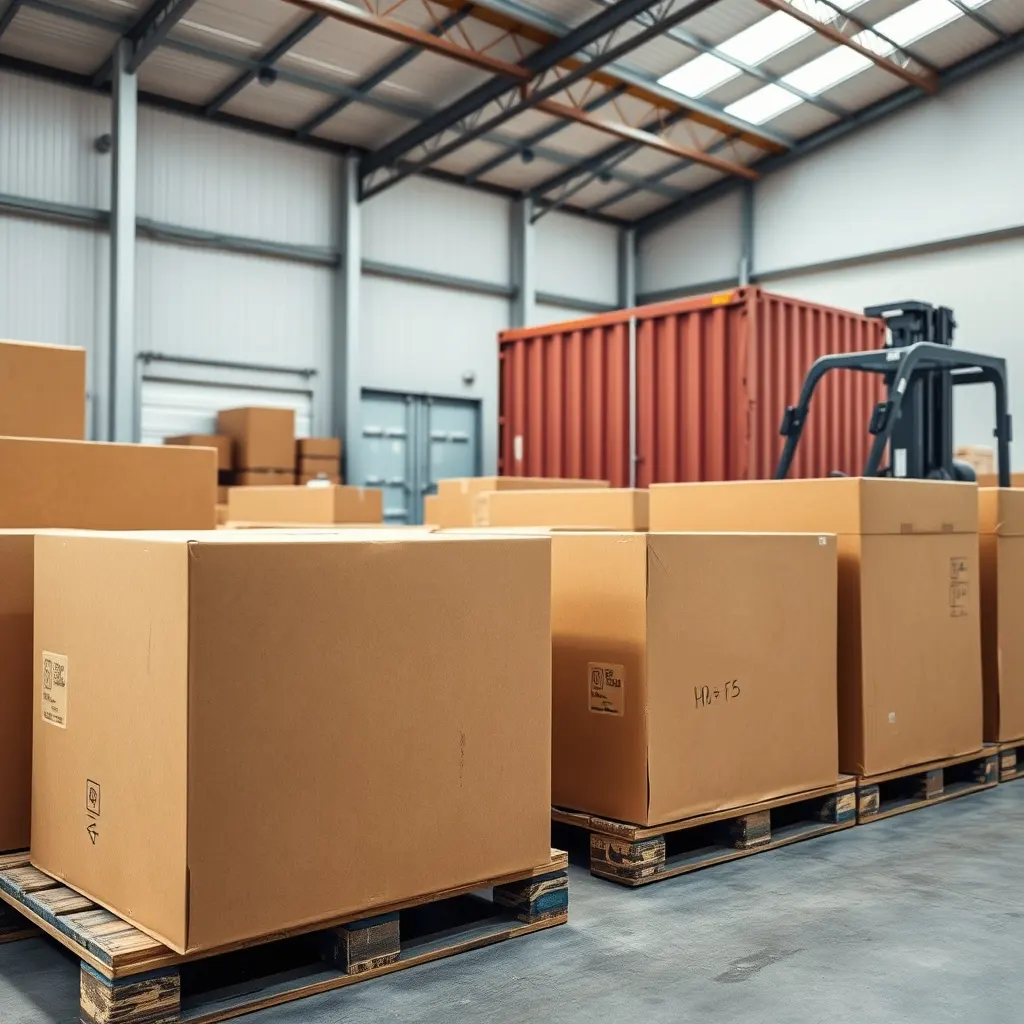
If your containers of Thai snacks keep arriving with crushed bags, condensation, or failed shelf tests, the problem usually starts well before the port — it starts with packing choices. Snacks are light, fragile and sensitive to heat and humidity, which makes Thailand's climate and long sea routes a real test for your packaging. This guide walks through the best way to pack Thai snacks for export, from primary packaging and moisture control to carton design and labeling, so your product arrives looking and tasting the way it did when it left the factory.
Why snack packaging fails on long export routes
Most damage claims on Thai snack shipments trace back to three causes: seal failure, crushing, and moisture ingress. Thailand's humidity means products are often packed in a hot, moist environment, then placed into a container that can swing from near-freezing (if reefer) to very hot (if dry van parked in the sun) over several weeks at sea. Flexible pouches that look fine on the factory floor can lose seal integrity under pressure changes and vibration. Lightweight snacks also get crushed easily if cartons are stacked without proper internal bracing. Before you even discuss the best way to pack Thai snacks for export with a supplier, ask them directly what packaging tests they run — drop tests, compression tests, or shelf-life trials under tropical conditions — and ask to see the results rather than taking a verbal assurance.
Choosing the right primary packaging
The pouch or bag your snack ships in is your first line of defense. Metallized or foil-laminated pouches generally offer better barrier protection against oxygen, light and moisture than clear plastic, which matters for oily or fried snacks prone to rancidity. Nitrogen flushing (replacing oxygen inside the pack with nitrogen) is common for Thai fried snacks and extends shelf life meaningfully — ask your supplier whether this is standard for your product or an added step. Zip-locks and resealable features add cost but can be a selling point in some retail markets. Whatever format you choose, request a sample that has sat in a warm, humid room for a few days before you approve a production run; it's a simple way to see how the packaging performs outside ideal factory conditions.

Carton design, bracing and stacking for sea freight
Export cartons for snacks need to do two things: survive stacking pressure and protect against vibration. Double-wall corrugated board is generally sturdier than single-wall for export cartons, especially for products going by sea rather than air. Ask your supplier or forwarder about carton compression testing (ECT rating) if you're shipping high volumes, since under-rated cartons are a common cause of crushed pallets. Inside the carton, snacks should be packed snugly — loose pouches shift during transit and abrade against each other, which is a frequent cause of seal punctures. For palletized loads, confirm stacking height limits and whether your forwarder uses corner boards or strapping, since unprotected pallet edges are another common failure point on long truck-to-port legs within Thailand before the container is even loaded.
Moisture, temperature and shelf life considerations
Humidity control doesn't stop at the pouch. Desiccant sachets inside master cartons (not just inside individual snack bags) can help manage moisture during transit, particularly for shipments that will sit in port storage before customs clearance. If your snack has a shorter shelf life or contains dairy, chocolate coatings, or high oil content, ask whether reefer (temperature-controlled) shipping is advisable instead of a standard dry container — this adds cost but can prevent spoilage or texture changes that are not reversible once they happen. It's also worth asking your supplier what shelf-life testing they've done under accelerated conditions (higher heat and humidity) rather than relying only on room-temperature storage data, since that's closer to what the product will actually experience in a container.

Labeling, compliance and documentation for the destination market
Packing well is only half the job if the labeling doesn't meet import requirements at the destination. Ingredient lists, allergen declarations, nutritional panels and country-of-origin marking requirements vary significantly by market, so check with the customs or food safety authority in your destination country before finalizing label artwork — don't assume Thai FDA-compliant labeling will satisfy another country's rules. If reworking labels after production is a concern, ask your supplier whether they can apply destination-market stickers or print export-specific labels directly, since this is a routine request for suppliers used to exporting. Keep documentation (certificates of analysis, health certificates where relevant) organized per shipment, as missing paperwork is one of the more common causes of delays at the receiving port, separate from the physical packaging issues covered above.
Need expert support?
Leave your details and our team will get back to you.
FAQ
Frequently asked questions
What is the best packaging material for Thai snacks going by sea freight?
Foil-laminated or metallized pouches generally hold up better than clear plastic for long sea routes, since they offer stronger barriers against oxygen, light and moisture. The right choice also depends on the snack type (oily, dry, or dairy-based), so ask your supplier to recommend options based on your specific product and route.
Do I need nitrogen flushing for exported snacks?
It's common for fried or oily Thai snacks since it reduces oxidation and extends shelf life, but it's not universal across all snack categories. Ask your supplier whether it's their standard practice for your product or something you need to request specifically.
How do I prevent crushed cartons during export?
Use double-wall corrugated cartons for export rather than single-wall, pack pouches snugly to avoid shifting, and confirm stacking limits with your forwarder. For larger volumes, ask about carton compression testing to make sure the boxes are rated for your pallet height.
Do Thai snack labels need to be changed for each export market?
Usually yes. Ingredient, allergen and nutrition labeling rules differ by country, so check requirements with the customs or food safety authority in your destination market before production, and ask your supplier whether they can print or apply destination-specific labels.
Prepared by the Import Thai team for informational purposes. Some links may lead to referred partners.
Articles
Related articles

How to Import Thai Curry Paste in Bulk: A Buyer's Guide
Formats, supplier types, food paperwork, shelf life, duty and landed cost - what to settle before you place a bulk curry paste order from Thailand.
Red Flags When Dealing With a Thai Manufacturer: A Practical Checklist
Sourcing from Thailand usually goes smoothly, but every experienced importer has a story about a supplier that looked perfect on paper and turned into a mess after the deposit was

Hidden Fees When Importing From Thailand: A Cost Checklist
The hidden fees when importing from Thailand are rarely hidden on purpose. They are simply quoted by four different parties at four different moments