Thai food & snacks
How to Import Thai Instant Noodles: A Practical Buyer Guide
Learning how to import Thai instant noodles is less about finding a factory and more about three decisions made before you ask for a quote.
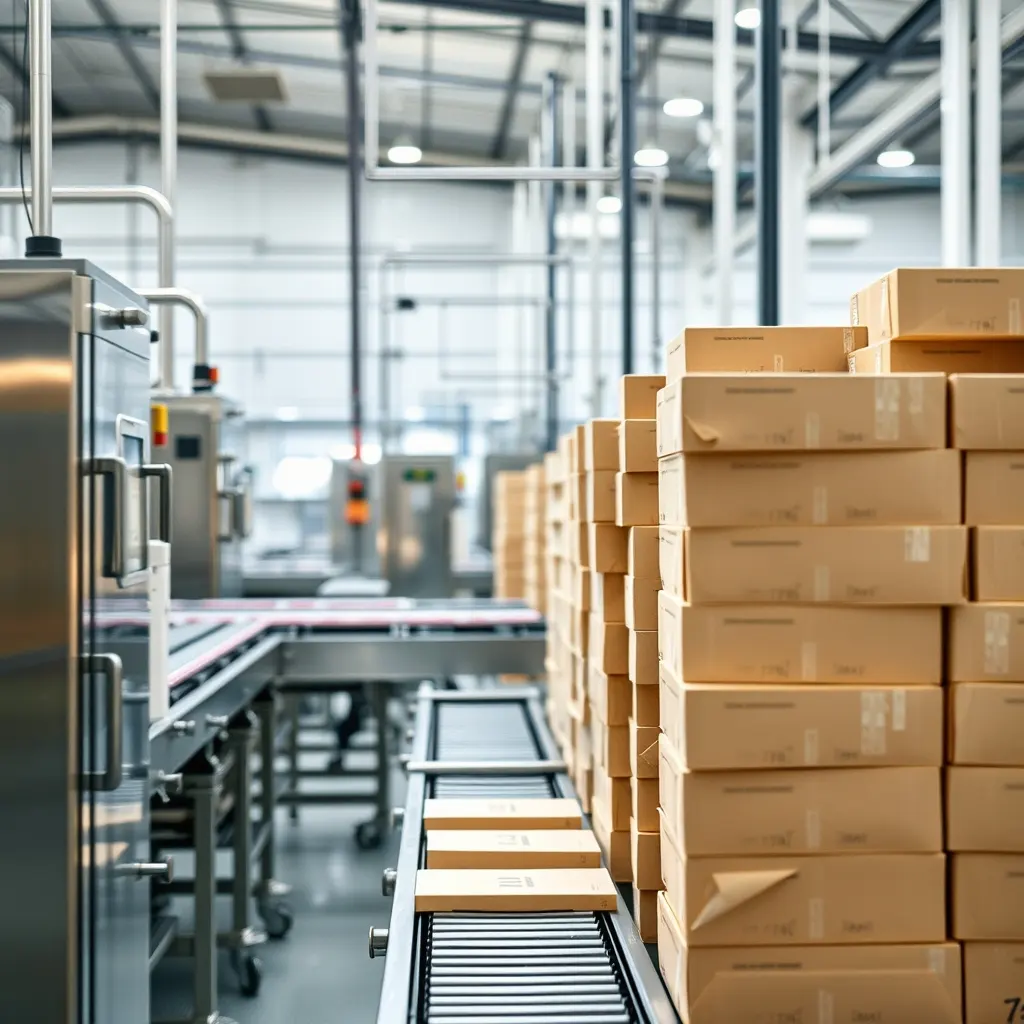
Learning how to import Thai instant noodles is less about finding a factory and more about three decisions made before you ask for a quote: which product format you are buying, which tier of the supply chain you buy from, and what your destination country requires on the label. Get those three wrong and even a cheap quote turns expensive at the port. This guide walks through the process in the order a working importer handles it, with the trade-offs at each step.
Step 1: define the product before you contact anyone
Instant noodles look like one category and behave like four. Before you send a single enquiry, write down which of these you are buying, because each one has different freight economics, different shelf life and different label requirements.
- Packet noodles. Flat or square blocks in a printed film sachet, usually sold in cartons of individual packs plus multi-pack sleeves. The densest format per container and the cheapest to ship per unit.
- Cup and bowl noodles. Far more volume per unit and therefore far more expensive to ship for the same number of servings. They also crush more easily and need firmer carton specs.
- Dry or stir-fry style noodles with sauce sachets. More components, more allergen declarations, and sometimes shorter shelf life driven by the oil or paste sachet rather than the noodle block.
- Rice noodle and glass noodle formats. Technically a different product group in many tariff schedules, which matters for duty classification.
Then decide the variables within the format you picked: serving weight, number of flavours, whether you need a vegetarian or halal-suitable range, whether sachets are oil-based or powder-based, carton count, and whether you want the brand owner label, a neutral export label, or your own label.
This list is not bureaucracy for its own sake. A supplier quoting a packet range and a supplier quoting a cup range are not comparable, and most first-time import projects stall because the enquiry said instant noodles and nothing else. Write the spec, then reuse the same spec with every supplier so the quotes line up.
Step 2: choose which tier of the supply chain you buy from
In Thailand you can buy the same noodle from several kinds of counterparty, and the difference shows up in paperwork, price and flexibility rather than in the product itself.
Brand owners and their export divisions deal directly with the company that owns the label. You get the most reliable documentation chain and the most consistent product, but less flexibility on small or mixed orders and little or no scope for relabelling.
Authorised exporters and official distributors buy from brand owners and sell abroad. They are usually more flexible on mixed pallets and faster to respond, and they can normally supply product documents per item on order. Verify that the authorisation actually covers your destination market, since some brands allocate territories.
Trading companies aggregate across many brands. Useful when you want a mixed container of several categories, but you need to confirm who actually holds the stock and who issues the documents.
Contract manufacturers make noodles for other people to brand. This is the route if you want your own label rather than a Thai brand, and it is a different project altogether, with formulation, artwork and testing in scope.
When you reach the shortlist stage, the practical move is to request quotes from Thai suppliers across at least two tiers with the identical spec sheet, then compare not just unit price but what each one includes: carton specification, labelling support, documents provided, and loading terms. Many buyers also widen the brief at this point by asking the same Thai food and beverage suppliers what else they export, because a mixed container often beats a single-category one on landed cost per unit.

Step 3: shelf life, packaging and the physics of shipping noodles
Noodles are light and bulky, which makes them one of the clearest examples of a product where volume, not weight, drives your freight bill. A container will almost always cube out before it reaches its weight limit, so the questions that matter are about cartons rather than kilos.
Ask suppliers for the exact carton dimensions, the carton weight, the number of units per carton and the recommended stacking height. From those you can work out cartons per pallet, pallets per container and therefore units per container. Two suppliers with the same unit price can differ meaningfully once you calculate landed cost per unit, simply because one uses a better carton footprint.
On shelf life, three points save trouble later:
- Ask for the stated shelf life from production, and the typical remaining shelf life at the time of loading. These are different numbers and only the second one affects your sell-through.
- Many retailers and some importers apply a minimum remaining shelf life on arrival. If you supply retail chains, confirm their rule before you order, not after.
- Oil-containing sachets are usually the limiting factor, not the noodle block. Heat and humidity in transit and in storage accelerate that, so a hot-climate destination deserves a more conservative plan.
Finally, check crush resistance for cup and bowl formats, moisture protection for the whole load, and whether the supplier palletises and wraps or ships loose-loaded. Loose loading fits more units but increases handling damage, and the trade-off depends on how your destination port and warehouse actually handle the load.
Step 4: compliance and labelling in the destination market
This is where import projects most often get stuck, and it is almost always solvable with earlier questions. Treat everything below as a starting checklist to verify with the food authority and the customs broker in your own country, because requirements differ by market and change over time.
Typical areas to confirm:
- Food business and product registration. Many countries require the importer to be registered, and some require product-level notification or registration before the shipment arrives. Lead times for this are set by the authority, not by your supplier.
- Label content. Common requirements include product name, ingredient list in descending order, allergen declarations, net weight, production and expiry dates in an accepted format, storage instructions, country of origin, and the name and address of the local importer. Local language labelling is frequently mandatory.
- Ingredients of animal origin. Flavour bases are the issue here. Pork, beef and seafood derivatives affect both import permits in some markets and halal suitability.
- Additives and permitted levels. The additive list accepted in one market may not match another, so ask for a full ingredient and additive declaration early.
- Supporting documents. Importers commonly need a commercial invoice, packing list, bill of lading, certificate of origin, and depending on the market a health or free-sale certificate. For preferential duty within regional trade agreements, the certificate of origin has to be issued correctly and in time.
The sequencing trick is simple: get the ingredient declaration and a label artwork proof before production, not after. Reprinting labels or applying overlabels on a full container is an avoidable cost.

Step 5: build the landed cost before you negotiate
Unit price is the smallest useful number in an import decision. Build the full landed cost per unit first, and negotiate against that.
The components to collect:
- Ex-works or FOB unit price, with the carton specification it assumes.
- Inland transport in Thailand and port charges on the origin side, if your Incoterm leaves those with you.
- Ocean or land freight for the route, plus any surcharges your forwarder lists separately.
- Insurance.
- Import duty, calculated from the correct tariff classification, plus any preferential rate you can claim with a valid certificate of origin.
- Import taxes such as VAT or GST, which may be recoverable depending on your business, so track them separately from duty.
- Destination port charges, customs brokerage, inspection or testing fees, and inland delivery.
- Labelling or overlabelling work, if any.
- Working capital cost, because money is tied up from payment until sell-through.
Divide the total by sellable units, not by shipped units, and keep a deduction line for damage and short-dated stock. That gives you a number you can compare against local wholesale prices to see whether the project works at all.
One more comparison discipline: hold the Incoterm constant when comparing quotes. A quote on one delivery term against a quote on another is not a comparison, and the gap between them is exactly the cost you forgot to count.
Step 6: samples, verification and a sensible first order
With a shortlist and a cost model, the last stage is verification. Noodles are a low-ticket product, which tempts buyers to skip this step and order a full container straight away. Keep the sequence instead.
Start with samples of the exact flavour, exact pack size and exact artwork you intend to buy, shipped in the actual retail packaging. Taste and texture matter, but check the practical things too: print quality, date coding legibility, sachet seal integrity, and whether the carton arrives intact.
Alongside samples, verify the company. Confirm the registered company name and registration details, check that the bank account name matches the company you contracted with, and ask for the documents you will need at import as samples rather than promises. If your market requires a health or free-sale certificate, see a specimen now.
For the first commercial order, keep it small enough that a mistake is survivable and large enough to be representative. Many buyers run a trial order before committing to a repeat schedule, and some reduce risk by combining categories so a single shipment tests more than one product line. Shelf-stable non-food items such as Thai household products, or small-volume high-margin lines such as Thai herbal balm, are common companions in a mixed first container because they do not compete for the same shelf space in your own market.
Before you pay, agree in writing on inspection rights, how short-dated or damaged goods are handled, and what happens if the label artwork needs to change. Those three clauses prevent most of the disputes that actually occur.
Need expert support?
Leave your details and our team will get back to you.
FAQ
Frequently asked questions
Is it cheaper to import packet noodles or cup noodles?
Per serving, packet formats are almost always cheaper to ship because they occupy far less volume, and instant noodle containers cube out long before they reach a weight limit. Cup and bowl formats carry higher freight cost per unit and need stronger cartons to resist crushing. The decision should follow your market: cups sell at a higher retail price point, which can offset the freight if your channel supports it.
Do I need my own brand to import Thai instant noodles?
No. Most importers buy existing Thai brands through the brand owner, an authorised exporter or a distributor, and resell them as they are. Creating your own label is a separate route through a contract manufacturer and brings formulation, artwork, testing and registration into your scope. Start with existing brands if your goal is to test demand, and consider your own label once you understand which flavours actually move.
What usually causes instant noodle shipments to be held at customs?
The most common causes are label content that does not meet local rules, missing or incorrect product registration, an ingredient or additive that is not permitted in the destination market, and documentation errors such as a certificate of origin that does not match the invoice. All four are preventable by confirming requirements with your national food authority and customs broker before production, and by reviewing artwork proofs in advance.
How much remaining shelf life should I ask for on arrival?
There is no universal figure, so take the rule from your own sales channel. Retail chains commonly set a minimum remaining shelf life for intake, and that becomes your binding constraint. Ask the supplier for stated shelf life from production and typical remaining shelf life at loading, then subtract your realistic transit and clearance time to see what will actually reach the shelf.
Prepared by the Import Thai team for informational purposes. Some links may lead to referred partners.
Articles
Related articles

Shelf Life Requirements for Importing Thai Snacks: What Buyers Need to Know
If you're sourcing Thai snacks for resale abroad, shelf life is often the first thing that trips up a shipment — not price, not packaging design, but how long a product legally and

How to Import Thai Essential Oils: A Practical Buyer Guide
Learning how to import Thai essential oils is less about finding a supplier and more about knowing what is actually in the drum you

Thai Natural Soap Manufacturers for Private Label: What to Check Before You Commit
If you're scouting Thai natural soap manufacturers for private label, your real worry probably isn't finding a factory — a search turns up dozens. The hard part is telling which on