Customs & compliance
How Does Thai Customs Inspect Export Shipments? A Buyer's Guide
Your supplier says the goods left the factory, yet the container has not moved for days. Before you assume the worst, it helps to understand how Thai Customs inspects export shipments.
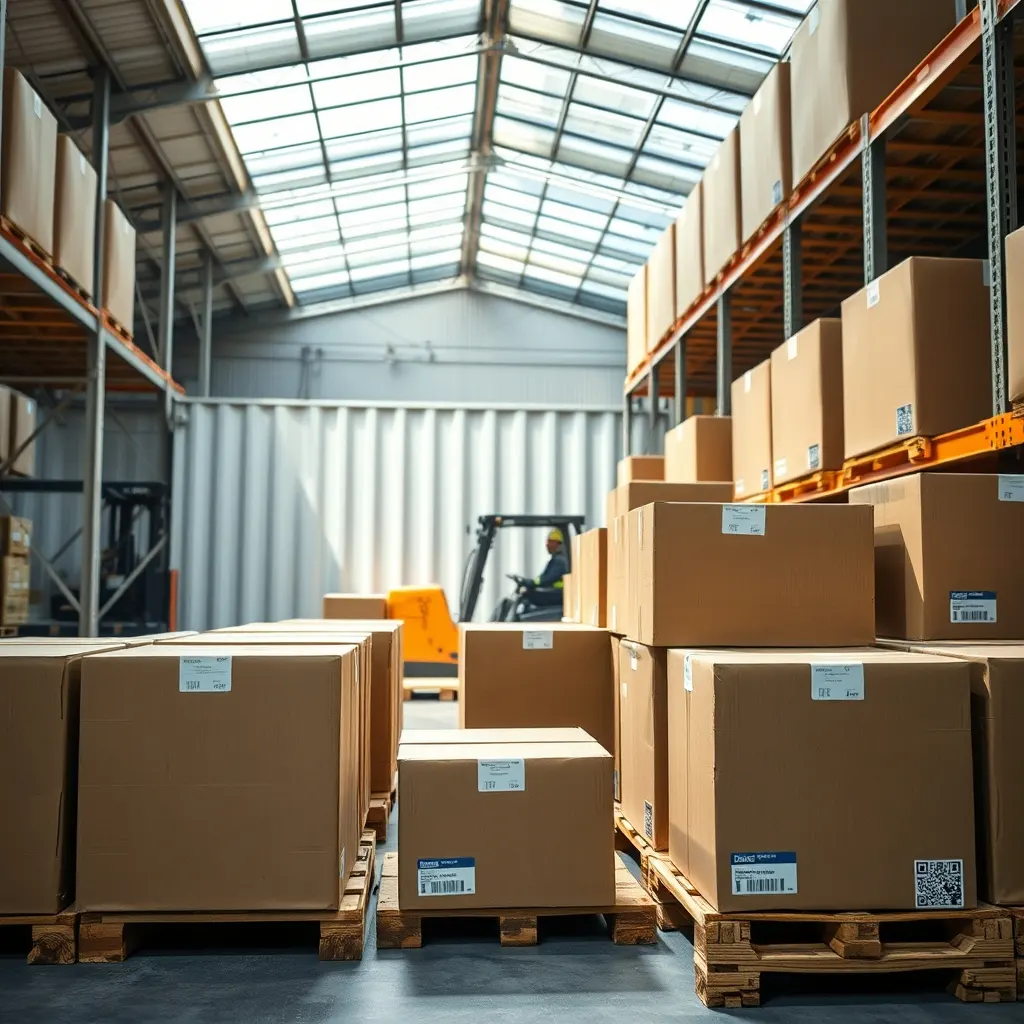
Your supplier says the goods left the factory, yet the container has not moved for days and nobody can tell you why. Before you assume the worst, it helps to understand how Thai Customs inspects export shipments, because most of what looks like a delay is a normal, predictable step in the process. This guide walks through the export declaration, the risk-based selection that decides which cargo gets opened, the other agencies that can hold a shipment, and what you, as the buyer, can do from your side to keep things moving.
Why export inspection in Thailand matters to you as the importer
It is tempting to treat Thai export clearance as the supplier's problem. On paper it is: the exporter of record, or their customs broker, files the declaration and answers any questions from Thai Customs. In practice, every day a shipment spends under inspection at Laem Chabang, Bangkok Port or Suvarnabhumi is a day added to your lead time, and a day of storage or demurrage that somebody will eventually try to pass on to you.
There is a second reason to care. The way a shipment clears Thai export control tells you a great deal about the supplier you are working with. Exporters who prepare clean, consistent paperwork tend to sail through; those who guess at tariff codes, under-describe goods or ship products that need a permit they never applied for tend to get stopped. If your supplier is repeatedly held on the Thai side, that is a signal worth reading before you place a larger order.
Finally, what Thai Customs records on export becomes part of the paper trail that your own customs authority will see on import. Discrepancies between the Thai export declaration and the commercial invoice you present at destination, in quantity, value or description, create questions at your end, not just theirs. Understanding the Thai side is therefore part of protecting your own clearance, not an academic exercise.
- Export inspection adds time and sometimes cost that lands on the buyer.
- A supplier's clearance record is a quiet indicator of how organised they are.
- Export data feeds into your import file, so errors travel with the goods.
The export declaration: what happens before anyone opens a box
Thai export clearance is electronic. The exporter or their licensed customs broker submits an export declaration through the Thai Customs e-Customs system, together with supporting data drawn from the commercial invoice, packing list and, where relevant, licences or certificates. The declaration states who is exporting, what the goods are, their tariff classification, quantity, value, destination and the vessel or flight they are booked on.
The system validates the declaration against its rules before the cargo is physically presented. Missing fields, mismatched references or a tariff code that triggers a licensing requirement will generate an error or a request for correction at this stage, before any inspector is involved. Many of the delays buyers hear about as 'customs problems' are actually declaration problems that a careful broker would have caught.
Once the declaration is accepted, the cargo moves to the port or airport, where the carrier or terminal operator reports its arrival. Only at this point does the question of physical inspection arise. For containerised sea freight, this is the moment the container is gated in to the terminal; for air cargo, it is when the goods are tendered to the ground handler.
As a buyer, you will rarely see the Thai export declaration itself, but you can ask your supplier for the declaration number and the date it was accepted. Those two pieces of information let you distinguish between a shipment that is genuinely stuck in customs and one that simply has not been declared yet because the paperwork is late.
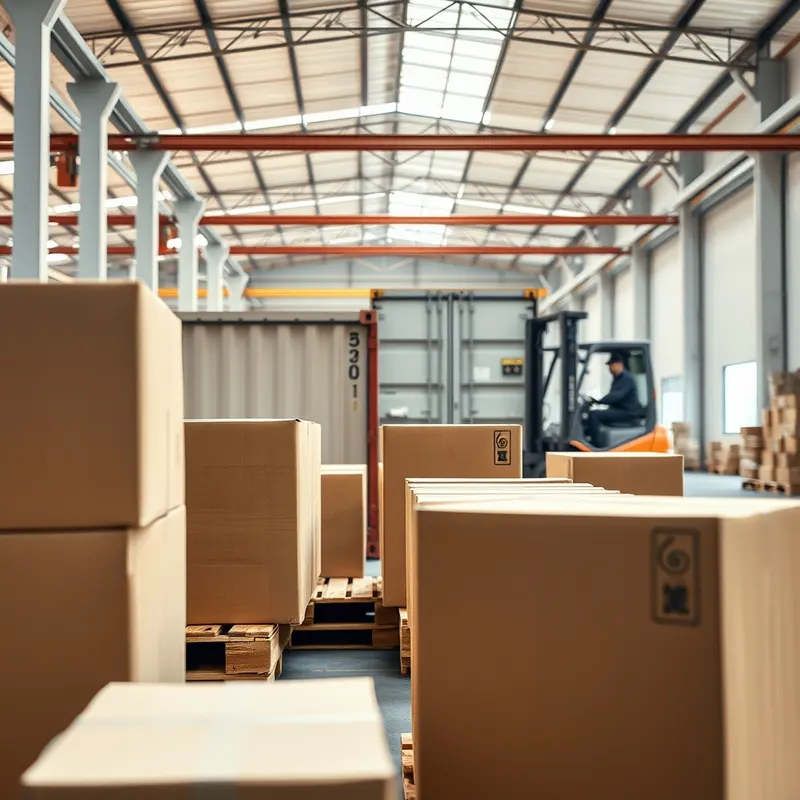
How does Thai Customs inspect export shipments? Green line, red line and risk profiling
Thai Customs, like most modern customs administrations, does not open every box. It uses risk-based selectivity. When an export declaration is accepted, the system assigns it to a clearance channel based on a profile built from factors such as the type of goods, their tariff classification, the destination, the exporter's compliance history and any intelligence flags.
**Green line.** The declaration is accepted on the basis of documents alone. The cargo is released for loading without a physical examination. For established exporters of low-risk goods, this is the normal outcome.
**Red line.** The shipment is selected for examination. This can range from a document check against the physical cargo to a partial or full unpacking. Customs officers compare what is in the container with the declaration: counts, descriptions, markings, weights and, where relevant, whether the goods match the permit or certificate attached.
Some shipments are also pulled for random checks regardless of profile, and some are scanned by X-ray or imaging equipment rather than opened. The exact criteria are not published, and they change, which is why no supplier can honestly promise you a green-line result.
What tends to raise the risk score is predictable, though: goods in categories that need a permit, values that look out of line with the declared quantity, vague product descriptions, a new or rarely used exporter, and destinations under heightened scrutiny. Working with verified Thai suppliers who have an export track record does not guarantee a green line, but it does remove several of the common triggers. You can read the Thai Customs Department's own guidance on export procedures at customs.go.th to verify the current process.
Other agencies that can stop a shipment: Thai FDA, agriculture and controlled goods
Customs is the gatekeeper, but it is not the only agency with a say. Several product categories need a licence, permit or certificate from another Thai authority before Customs will release them for export, and the absence of that document is one of the most common reasons an otherwise clean shipment is held.
- **Thai FDA.** Food, dietary supplements, cosmetics and medical devices fall under the Thai Food and Drug Administration. Depending on the product and the destination's requirements, the exporter may need a certificate of free sale, a health certificate or evidence of product registration. Thai health supplements and Thai herbal products are frequent examples where a buyer discovers at the last minute that the supplier has never exported before and has none of the paperwork ready.
- **Department of Agriculture and related bodies.** Plant products, seeds, certain timber and wood products, and live animals or animal products may require phytosanitary or veterinary certificates issued by the relevant Thai department.
- **Controlled and strategic goods.** Some chemicals, dual-use items and cultural artefacts are restricted or prohibited for export. If your product touches any of these categories, assume a permit is needed until proven otherwise.
- **Origin certification.** A certificate of origin from the Department of Foreign Trade or an authorised chamber is not a customs requirement to leave Thailand, but it is often required to claim preferential duty at destination, and it has to be applied for before the goods ship.
These requirements change, and they interact with the rules in your own country. Treat any list, including this one, as a starting point, and check the current requirements with the issuing agency and with your customs broker or clearing agent at destination.

What a physical inspection looks like and how it affects your timeline
When a red-line shipment is examined, the sequence is fairly standard. The container or pallets are moved to an inspection area at the terminal. The exporter's broker, or their representative, is usually required to be present. Officers verify the seal, open the container, and compare the cargo with the declaration and packing list. They may count cartons, weigh samples, check labels against the declared description, photograph the goods and, for regulated products, take samples for testing.
If everything matches, the container is resealed, the examination is recorded and the shipment is released for loading. If something does not match, the officer can request an amended declaration, additional documents, payment of any applicable export duty or penalty, or, in serious cases, detain the goods pending investigation.
For your planning, the point to understand is that a physical examination almost always means the cargo misses its originally booked vessel or flight. Terminals work to cut-off times, and an inspection that takes a few hours can push a container past the gate-in deadline for the sailing. The goods are then rebooked on the next available departure, which for some routes may be days away. This is why a supplier who says the shipment is 'at customs' cannot usually give you a firm new date until the examination is complete and the rebooking confirmed.
To avoid being surprised, ask your supplier or forwarder for three things as soon as a hold is reported: the reason given by Customs, the documents or actions requested, and the next feasible departure if the current booking is lost. Vague reassurances are not information; those three answers are.
What you can do as the buyer to reduce inspection risk
You cannot control Thai Customs, but you can influence the inputs that drive its risk scoring, and most of those sit with your purchase order and your supplier's paperwork.
- **Agree the product description and HS code up front.** Put the full commercial description and the agreed tariff classification on your purchase order and ask the supplier to use the same wording on the invoice, packing list and export declaration. Consistency across documents is the single biggest factor you can influence.
- **Confirm permit needs before you order.** Ask the supplier directly whether the product requires any Thai FDA, agricultural or other certificate for export, and whether they have obtained it before. If they have not, build that into your timeline rather than discovering it at the port.
- **Check the supplier's export experience.** A supplier who has shipped the same product to your region before is far less likely to trip over paperwork. Ask for evidence such as a prior bill of lading with sensitive details redacted.
- **Use a competent broker on both ends.** The Thai customs broker files the export declaration; your clearing agent handles import. Introduce them to each other early so that descriptions, values and codes line up.
- **Keep values honest and documented.** Under-declared values are a classic trigger for examination and create a much larger problem at your end.
- **Build buffer into your schedule.** Treat a possible examination as a normal event, not an emergency, and your supply plan will survive it.
If you are still choosing a supplier, platforms that list verified Thai suppliers with declared export experience can shorten the vetting, but the verification work above remains yours to do.
Need expert support?
Leave your details and our team will get back to you.
FAQ
Frequently asked questions
Does every export shipment from Thailand get physically inspected?
No. Thai Customs uses risk-based selectivity, so most declarations from established exporters of low-risk goods are released on documents alone through the green line. A proportion is selected for examination based on risk profiling and random checks. The criteria are not published and change over time, so no supplier can promise a shipment will not be examined.
How long does a Thai Customs inspection delay a shipment?
There is no fixed figure. The examination itself may take hours, but the practical delay depends on whether the cargo misses its booked vessel or flight and how soon the next departure is. Ask your supplier or forwarder for the reason for the hold, the documents requested and the next feasible departure rather than relying on a general estimate.
Who pays for storage or demurrage if the shipment is held in Thailand?
It depends on your sales contract and Incoterms. Under terms where the seller delivers to the port or on board, costs before that point are normally the seller's, but suppliers sometimes try to pass them on. Agree in writing before shipping who bears costs arising from export-side holds, and ask for the Customs record if a charge is claimed.
Can I ask Thai Customs directly about my supplier's shipment?
As the overseas buyer you are not a party to the export declaration, so Customs will deal with the exporter or their licensed broker, not with you. Your practical route is to ask the supplier for the declaration number and the status, and to have your forwarder follow up with the Thai broker. Public procedural guidance is available from the Thai Customs Department website.
Prepared by the Import Thai team for informational purposes. Some links may lead to referred partners.
Articles
Related articles

HS Codes for Thai Cosmetics and Food: How to Get Them Right
Getting HS codes for Thai cosmetics and food wrong is one of the few importing mistakes that costs you money on every single shipment, quietly, until someone audits you.

How to Apply for an Import License for Cosmetics: A Practical Guide
If you are wondering how to apply for an import license for cosmetics, the honest first answer is that there is rarely a single license. Most countries combine a business or import
Free Trade Agreement Thailand Import Benefits: What Buyers Gain
Free trade agreement Thailand import benefits are real but conditional. Here is what an FTA actually changes on your invoice, and what it leaves untouched

How to Register as an Importer of Record: A Practical Guide
If you want to know how to register as an importer of record, the first thing to understand is that there is no single global registration. The importer of record is the party lega
Import Clearance Process at Thai Customs Explained for Buyers
The import clearance process at Thai customs explained from the buyer's side: what happens before your goods leave Thailand, which documents matter and where delays start.

How to Apply for an Import Permit for Food Products from Thailand
If you're planning to bring food products into your country from Thailand, the import permit process is usually the step that causes the most delays — not customs clearance itself.