Customs & compliance
HS Codes for Thai Cosmetics and Food: How to Get Them Right
Getting HS codes for Thai cosmetics and food wrong is one of the few importing mistakes that costs you money on every single shipment, quietly, until someone audits you.

Getting HS codes for Thai cosmetics and food wrong is one of the few importing mistakes that costs you money on every single shipment, quietly, until someone audits you. The code decides your duty rate, whether your preferential certificate is accepted, and whether the goods need a permit at all. This guide explains how the classification is built, where Thai beauty and food products usually fall, and how to confirm a code before you commit to an order.
What the code actually decides
An HS code is not an administrative formality. It is the key that four separate systems read.
First, duty. Your tariff rate is attached to the code, not to the product description on the invoice. Two shampoos described identically can attract different rates if one is classified as a hair preparation and the other as a medicated product.
Second, preferential treatment. If you are claiming a reduced rate under a free trade agreement, the origin rule that applies to your goods is written against a specific heading. Many rules are expressed as a change of tariff heading, which means the code is not just how you declare the goods — it is part of the test for whether they qualify at all.
Third, controls. Permits, registrations, inspection regimes and prohibited-goods lists are keyed to codes. A product can be perfectly legal to sell and still be held because its code triggers an inspection you did not arrange.
Fourth, your own records. Statistics, landed-cost models and audit trails all key off the code. If it is wrong, your historic cost data is wrong too.
One practical consequence: the code your Thai supplier used on their export declaration and the code you use on import should describe the same goods. A visible mismatch is one of the most common reasons a preferential certificate gets questioned.
How the code is built, digit by digit
The Harmonized System is maintained by the World Customs Organization and shared by most trading countries. The first six digits are international: chapter (two digits), heading (four), subheading (six). Beyond that, countries add their own digits.
In ASEAN, members use an eight-digit nomenclature built on the HS. The European Union uses an eight-digit combined nomenclature for imports and more digits for statistics. The United States uses a ten-digit schedule. Several other markets use eight or ten.
The practical rule follows directly: the first six digits should match across borders, but you cannot copy your supplier's full eight-digit Thai code into your own import declaration and assume it is valid. Take the six digits as the starting point and resolve the national digits in your own country's tariff.
Classification itself follows the General Rules of Interpretation, which are the same everywhere. The two you will meet most often are the rule that the most specific description wins over the more general one, and the rule that a mixture or composite item is classified by the component giving it its essential character. A gift set with a cream, a soap and a cloth is a classic essential-character problem, and reasonable people disagree about it — which is exactly why you document your reasoning.
Where HS codes for Thai cosmetics and food actually sit
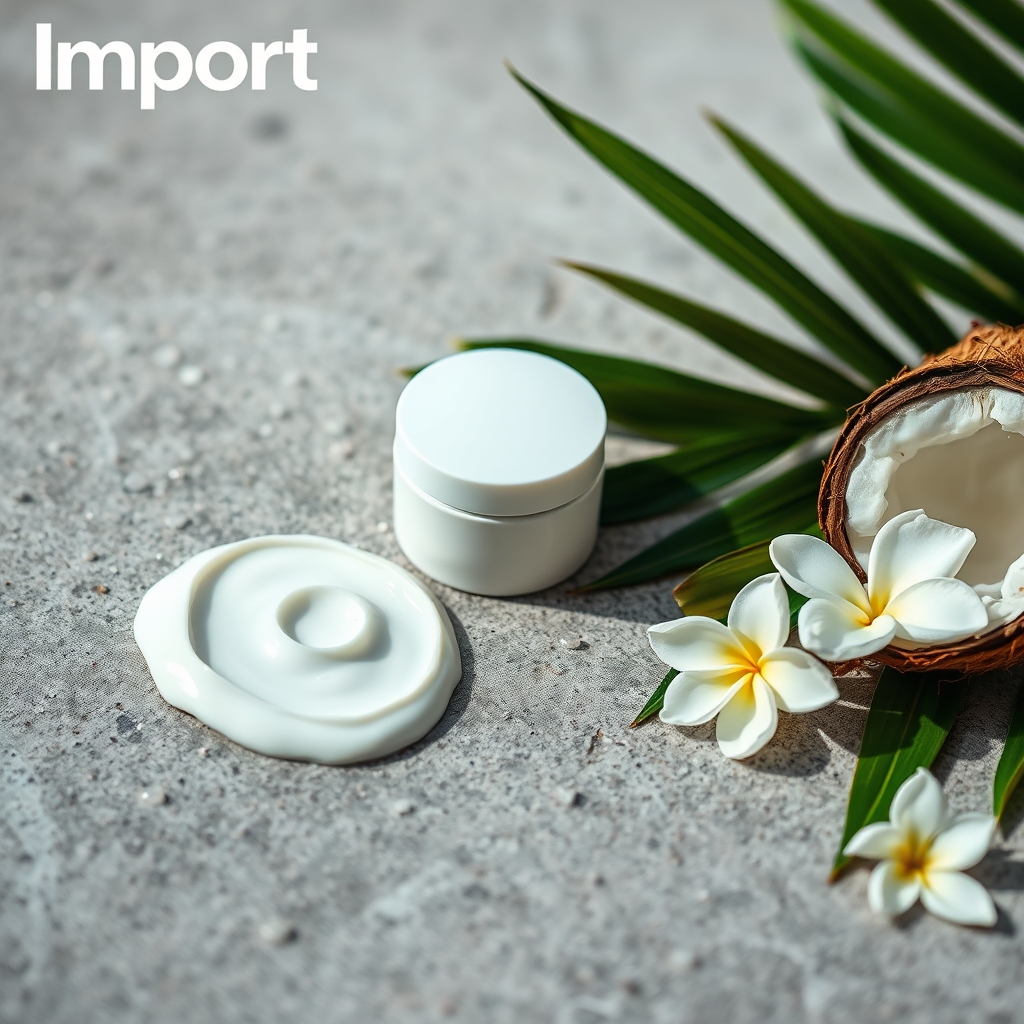
Start with beauty. Most finished cosmetics fall in chapter 33. Within it, perfumes and toilet waters, beauty and make-up preparations including skin care and most sunscreens, hair preparations such as shampoos and treatments, oral and dental preparations, and shaving, deodorant and bath preparations each have their own heading. Soap, including the bar soaps Thailand is known for, generally sits in chapter 34 rather than 33, which surprises first-time importers.
The main trap is the boundary with medicinal products. A balm, inhaler or ointment presented with therapeutic claims and dosage instructions may be classified as a medicament in chapter 30 in your market, even if it is sold as a toiletry in Thailand. That reclassification changes the duty, the registration pathway and sometimes the right to import at all. Many classic Thai herbal items sit exactly on this line, so treat them case by case rather than as a group.
Two more recurring issues. Retail sets of different products need an essential-character decision before the invoice is written, not after. And samples, testers and promotional sachets still need a classification and a declared value, even when you paid nothing for them.
Food, drinks and supplements: the messier half
Food is spread across many more chapters than cosmetics, and the boundaries are less intuitive.
Broadly: coffee and tea sit in chapter 9; instant noodles and other cereal-based preparations in chapter 19; prepared or preserved fruit and vegetables in chapter 20; sauces, pastes, seasonings and a large catch-all heading for miscellaneous edible preparations in chapter 21; and beverages in chapter 22. Several of Thailand's best-known exports therefore do not live where people expect.
The traps are specific. Roasted and seasoned seaweed snacks are classified by processing and composition, and can land in a different heading from plain dried seaweed, so anyone buying Thai snacks wholesale should classify by product, not by category. Supplements are often the hardest call, because a product can be a food preparation, a beverage or a medicament depending on form, dosage and claims. Dairy content, sugar content and alcohol content all push products between subheadings and sometimes between duty bands.
If you buy mixed cartons, remember that each distinct product needs its own line and its own code. A consolidated shipment of snacks, sauces and Thai household products is several classifications in one box, and customs will treat it that way even if your supplier invoiced it as assorted goods.
How to confirm a code before you order
Classification is cheapest to fix before money moves. Work through it in this order.
Ask the supplier for the code they use on export, along with a full technical description: ingredients or composition, form, net weight, packing, intended use and the exact claims on the label. A good exporter answers this in writing without hesitation; if you are still at the stage where you request quotes from Thai suppliers, make the technical description part of the request so you can compare answers.
Take the first six digits and look them up in your own country's tariff database. Read the chapter and section notes, not only the heading text — the notes are where exclusions live, and most misclassifications come from ignoring them.
Where the duty gap or the permit question is material, apply for an advance or binding ruling from your customs authority. It takes time but it converts an opinion into a decision you can rely on, and it is the only answer that protects you in an audit.
Finally, write down why you chose the code, with the note references. Rules and tariff lines change, so confirm current requirements with your customs authority or broker before each new product launch rather than reusing last year's file.
Classification mistakes that cost real money
A short list of the errors that show up again and again.
Copying the code from the supplier's invoice without checking the national digits. The six-digit root may be right and the full code still invalid in your market.
Classifying to the lowest duty rather than to the goods. This is not a grey area; it is a declaration error, and penalties and back-duty are assessed on the whole history, not on the shipment that was caught.
Letting the code contradict the origin certificate. If your preferential certificate shows one heading and your declaration another, expect questions and a delay while the file is reviewed.
Ignoring permit triggers. Some codes bring an automatic referral to a food or drug authority. The goods are not refused, but they wait, and storage is billed by the day.
Treating a new variant as the same product. A reformulation, a new claim on the label or a change from cream to spray can move the product to a different subheading.
Finally, assuming a trading intermediary has checked. Whether you buy from a Thai wholesale distributor, a factory or an exporter you found among verified Thai suppliers, the importer of record carries the classification liability in almost every jurisdiction. Build the check into your own process.
Need expert support?
Leave your details and our team will get back to you.
FAQ
Frequently asked questions
Can I use the HS code my Thai supplier gives me?
Use the first six digits as your starting point, then resolve the remaining national digits in your own tariff. Thailand declares on an eight-digit ASEAN nomenclature, which will not match a ten-digit United States schedule or an eight-digit European one line for line. The supplier's code is useful evidence, not a substitute for your own classification.
Are Thai herbal balms cosmetics or medicines?
It depends on presentation rather than tradition. A balm sold as a toiletry with cosmetic wording is usually treated as a cosmetic preparation, while the same balm presented with therapeutic claims, indications or dosing may be classified as a medicament in your market. Because the consequences differ sharply, this is a strong candidate for a binding ruling.
What happens if I use the wrong code?
Typically a correction, payment of the duty difference and, depending on the jurisdiction and whether the error looks careless or deliberate, a penalty and interest. Authorities can usually go back several years, so a small per-shipment error on a regular import line becomes a large assessment. Voluntary disclosure, where available, usually reduces the exposure.
Do samples and free goods need a code?
Yes. Samples, testers and promotional items still need a classification and a declared customs value even when no payment is made. Some markets offer relief for goods of negligible value or for marked samples, but the relief is conditional and has to be claimed correctly, so check the specific rule with your broker before shipping them.
Prepared by the Import Thai team for informational purposes. Some links may lead to referred partners.
Articles
Related articles

Shipping from Thailand to Australia: A Practical Guide for Importers
If you're planning on shipping from Thailand to Australia for the first time, the biggest worry isn't usually the freight itself — it's the paperwork, the biosecurity checks, and t
How to Source Thai Coconut Products: A Guide for Importers
Coconut is one of the easiest Thai categories to get interested in and one of the easiest to get wrong, because it is not one product.
Import Duties on Thai Products: How They Are Calculated
Import duties on Thai products depend on three things you control more than you think: the HS code, the declared customs value, and your proof of origin.