Customs & compliance
What Goes on a Commercial Invoice When You Import From Thailand?
If you are asking what a commercial invoice is for importing from Thailand, the short answer is this: it is the document customs in your country uses to decide what you bought, wha
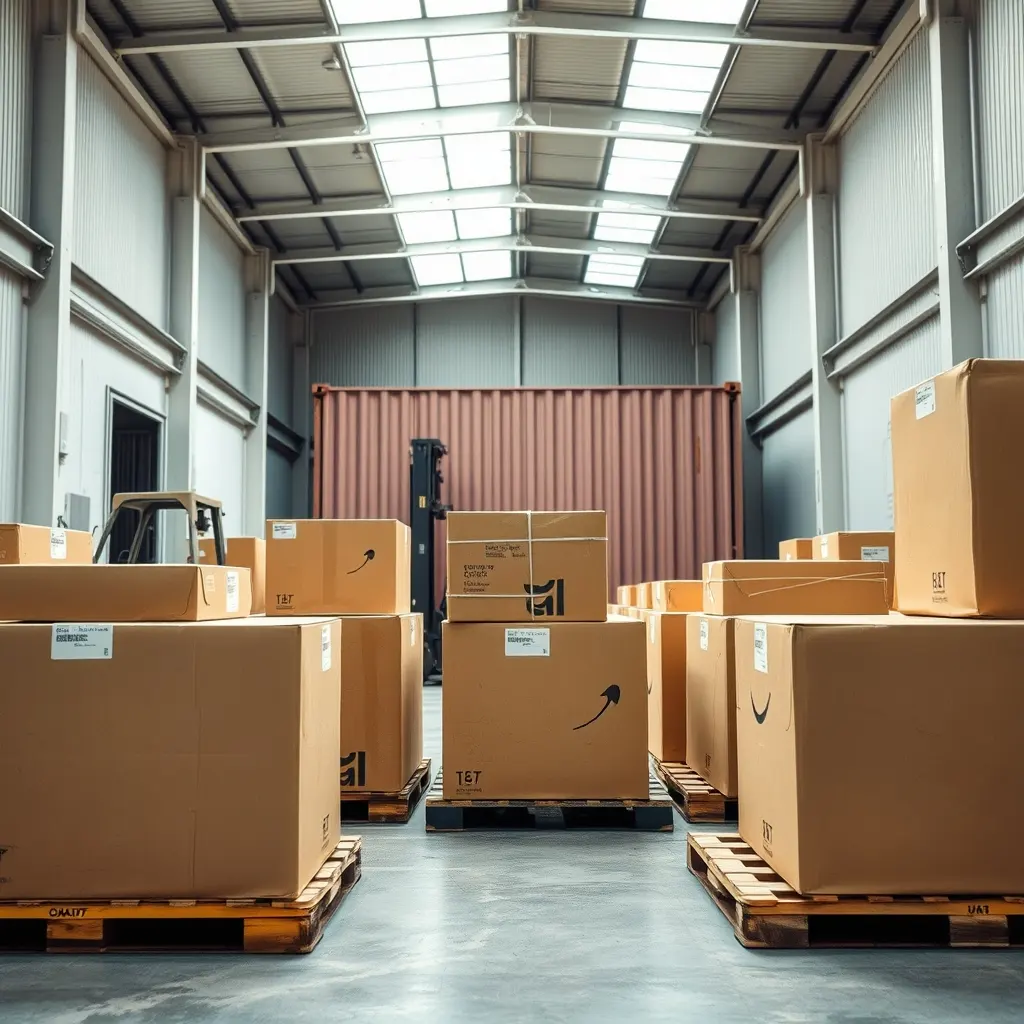
If you are asking what a commercial invoice is for importing from Thailand, the short answer is this: it is the document customs in your country uses to decide what you bought, what it is worth and how much duty and tax you owe. Get it wrong and your goods can sit at the port while brokers and suppliers trade emails. Here is what belongs on it, how it differs from the other paperwork, and how to get a clean one from your Thai supplier.
What a commercial invoice actually does
A commercial invoice is the seller's formal statement of a sale: who sold what to whom, in what quantity, at what price and on what terms. It sounds like ordinary accounting paperwork, but at the border it does three specific jobs.
**It sets the customs value.** In most countries duty and import tax are calculated from the declared transaction value, and the commercial invoice is the primary evidence of that value. Your broker will copy figures straight from it into the import declaration.
**It describes the goods for classification.** Customs officers use the product description, together with the HS code, to decide which tariff line applies. A vague description invites questions, inspections or a higher-duty classification.
**It proves the commercial relationship.** Banks use it under letters of credit, insurers use it when a claim is filed, and your own accountants rely on it to book the cost of goods.
Because so many parties read the same document, consistency matters more than style. The quantities, values and descriptions on the commercial invoice should match the packing list, the bill of lading or air waybill, and any certificate of origin. Whether you buy from a Thai wholesale distributor or directly from a manufacturer, the invoice needs to tell one coherent story.
The fields customs brokers look for first
Formats vary between suppliers, but a usable commercial invoice for a Thai export almost always contains the same core information. Before your supplier ships, check the draft against this list.
- **Seller and buyer details**: full legal names, addresses and, where relevant, tax or importer identification numbers. If a different party is the consignee, say so.
- **Invoice number and date**: unique, and dated close to shipment.
- **Detailed goods description**: what the product is, what it is made of and what it is used for. "Herbal balm, 50 g jar, for external use" helps a customs officer; "cosmetics" does not.
- **HS code**: ideally confirmed by your own broker for your import market, since codes can differ beyond the first six digits.
- **Quantity and unit of measure**, plus **unit price** and **total value**, with the **currency** clearly stated.
- **Incoterms rule and named place**, such as FOB Laem Chabang or CIF your port, so customs knows which costs are inside the price.
- **Country of origin** of the goods, which may differ from the country of export.
- **Payment terms**, gross and net weights, number of packages and shipping marks.
If you are importing regulated categories, such as Thai herbal products or foods, your broker may also want batch numbers or product registration references to line up with permits.

Commercial invoice vs proforma invoice vs packing list
New importers often receive three or four documents with similar figures and are not sure which one customs actually needs. Each has a distinct purpose.
**Proforma invoice.** Issued before the sale is final, usually to confirm price and terms or to let you arrange payment or an import permit. It is a quotation in invoice form. Many customs authorities will not accept it as the basis for clearance, though some allow it in specific cases such as samples. Check with your broker.
**Commercial invoice.** Issued when goods are sold and shipped. This is the document that supports the customs value.
**Packing list.** Shows how the goods are packed: cartons, contents per carton, dimensions and weights. It carries no prices in many cases, but customs uses it to plan inspections and to check that the physical shipment matches the invoice.
**Certificate of origin.** Issued by an authorised body to prove where the goods were made, often used to claim reduced duty under a trade agreement. The details must agree with the commercial invoice.
A practical habit: when your Thai supplier sends documents, open them side by side and compare quantities, descriptions and weights line by line. Small mismatches, such as 1,200 pieces on the invoice and 1,150 on the packing list, are one of the most common reasons a broker comes back with questions.
Mistakes that hold shipments at the border
Most invoice problems are not fraud. They are shortcuts taken under time pressure. These are the ones that cause the most delay.
- **Generic descriptions.** "Food products" or "household items" forces customs to ask for more information. Describe each line as a specific product.
- **Undervaluation to reduce duty.** Some suppliers offer to write a lower value "to help you". It is the importer who carries the legal risk, and customs authorities compare declared values against reference data. Declare the real transaction value.
- **Missing or wrong Incoterms.** Without them customs cannot tell whether freight and insurance are included, which can lead to valuation adjustments.
- **Mixed products on one line.** A shipment of Thai snacks, sauces and drinks should be listed product by product, because each may fall under a different tariff line and different import rules.
- **Samples marked "no commercial value".** Many customs authorities still expect a reasonable value for samples. Ask your broker how your country treats them.
- **Inconsistent buyer details.** If the importer of record differs from the buyer, explain it on the invoice.
Thai food and beverage suppliers that export regularly are usually familiar with these requirements, but do not assume. A quick review of the draft before goods leave the warehouse costs far less than storage fees at the port.

How to work with your Thai supplier on the invoice
The cleanest invoices come from a short routine agreed early in the relationship rather than corrections after shipment.
**Send your requirements with the purchase order.** List the fields your broker needs, the exact buyer and consignee names, your preferred product descriptions and the HS codes your broker has confirmed. Many experienced importers keep a one-page invoice instruction sheet for every supplier.
**Ask for a draft before shipping.** Request the commercial invoice and packing list as drafts once the goods are packed, and forward them to your customs broker for a quick check. Corrections at this stage take minutes.
**Match the transport document.** After booking, compare the invoice with the bill of lading or air waybill: consignee, number of packages and gross weight should agree.
**Keep the originals organised.** Some import regimes, letters of credit or trade-agreement claims require original signed documents or specific formats. Ask your broker and bank which apply.
**Verify regulatory details separately.** The invoice does not replace import permits, product registrations or labelling rules in your market. Check those with your customs authority or clearing agent.
If you source from several Thai suppliers, the same instruction sheet keeps everyone consistent, and it makes onboarding a new supplier much faster.
Need expert support?
Leave your details and our team will get back to you.
FAQ
Frequently asked questions
Who issues the commercial invoice when importing from Thailand?
The seller, usually your Thai supplier or exporter, issues the commercial invoice. As the importer you should tell them exactly what information your customs broker needs, such as buyer details, product descriptions and HS codes, and review the draft before the goods ship.
Can I use a proforma invoice to clear customs?
In most cases customs expects a final commercial invoice for clearance, although some authorities accept a proforma in specific situations such as samples or when the final price is not yet known. Rules differ by country, so confirm with your customs broker or clearing agent before relying on a proforma.
Does the commercial invoice need to be signed?
Requirements vary. Some customs authorities, banks under letters of credit and trade-agreement procedures expect a signed invoice or a declaration statement, while others accept unsigned electronic copies. Ask your broker and bank what applies to your shipment and request the right format from your supplier.
What happens if the invoice value is wrong?
Customs may hold the shipment, request supporting documents such as payment records, or adjust the value and the duty owed. Deliberate undervaluation can carry penalties for the importer. If you notice an error, tell your broker immediately so it can be corrected through the proper process.
Prepared by the Import Thai team for informational purposes. Some links may lead to referred partners.
Articles
Related articles

Thai FDA Certificate for Export: What Importers Actually Need to Check
If you're sourcing skincare, supplements or herbal products from Thailand, you've probably asked a supplier for "FDA certification" and gotten a scanned document you can't fully re

What You Need to Apply for a Cosmetics Import License
If you are wondering how to apply for an import license for cosmetics, the honest first answer is that there is rarely a single license. Most countries combine a business or import

What Is a Customs Bond for Importing Goods? A Practical Guide for Buyers Sourcing from Thailand
If you're importing goods into a country like the United States and your customs broker has mentioned a "bond" you need before your shipment clears, you're not alone in finding the

Certificate of Origin Form D From Thailand, Explained
If you're importing from Thailand into another ASEAN market and trying to reduce or eliminate import duty, you've probably run into the term "Form D." This is the certificate of or

How to Get an Import Permit for Herbal Supplements: A Buyer's Plan
Working out how to get an import permit for herbal supplements is usually the step that decides whether a Thai herbal line reaches your shelves or sits at the border. The honest an

What Documents Does a Customs Broker Need From an Importer?
The documents a customs broker needs from an importer bringing goods in from Thailand: identity and registration, commercial paperwork, transport documents, origin certificates and product-specific permits.