Thai beauty & wellness
Thai Skincare Brands for Wholesale: A Buyer's Guide to Sourcing the Right Supplier
If you're exploring Thai skincare brands for wholesale, the first real worry isn't which brand looks good on Instagram — it's whether the factory behind the label can actually expo

If you're exploring Thai skincare brands for wholesale, the first real worry isn't which brand looks good on Instagram — it's whether the factory behind the label can actually export, document, and ship at the volume your business needs. Thailand has a dense cluster of skincare manufacturers, many built around herbal and botanical formulations that travel well across markets in Asia, the Middle East, and beyond. But the gap between a flashy product page and a reliable, export-ready partner is wide. This guide walks through how the market is structured, what to check before you commit, and how to move from browsing catalogs to getting real numbers on paper.
Why Thailand is a serious option for skincare sourcing
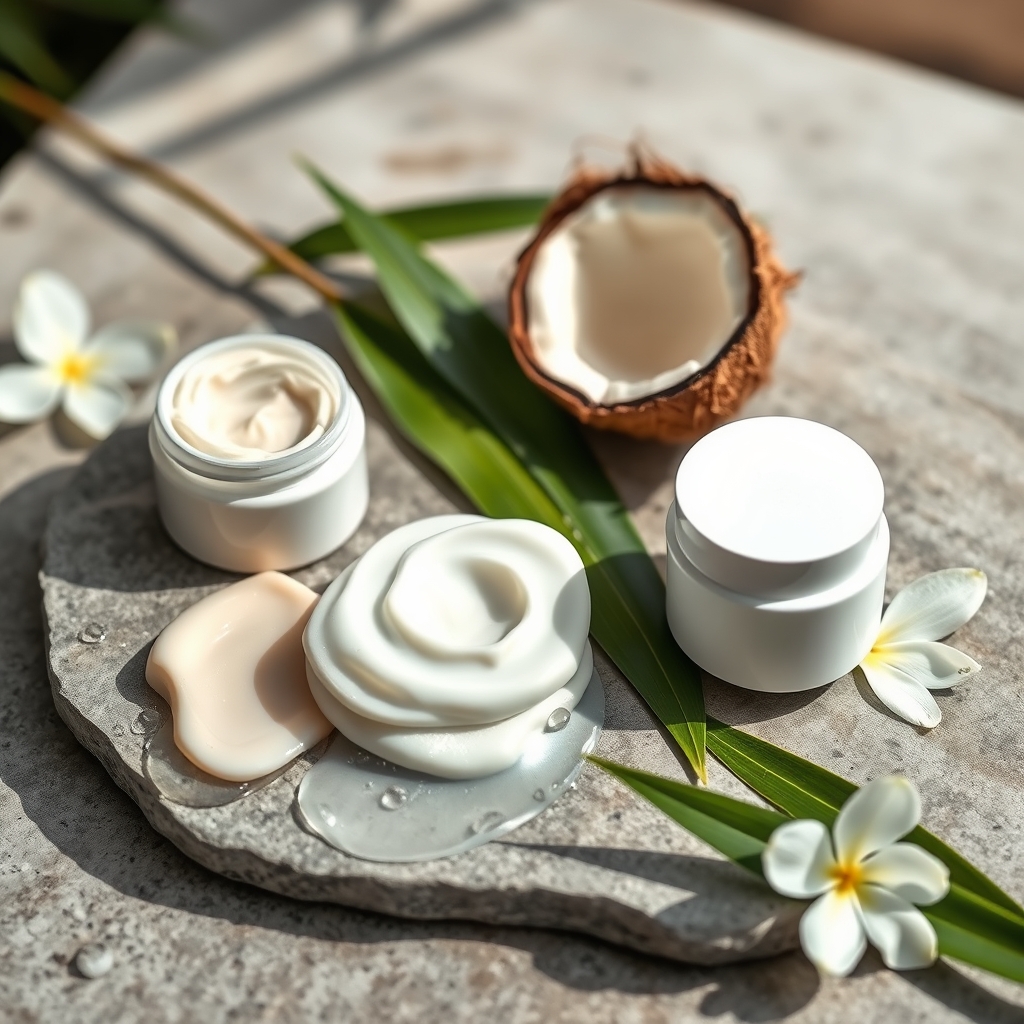
Thailand has a long-established cosmetics manufacturing base, with clusters around Bangkok and the central provinces producing everything from mass-market face creams to niche spa and herbal lines. A lot of this industry grew around Thailand's reputation for Thai herbal products — ingredients like turmeric, tamarind, rice extract, and centella asiatica are used widely and are familiar to buyers who already stock Asian beauty categories. For importers, the appeal is a mix of established OEM/ODM capacity, competitive production costs relative to some other sourcing hubs, and an export sector that's used to dealing with international buyers, including private-label and white-label arrangements. That said, 'Thailand makes good skincare' is not the same as 'any given supplier is ready for your order' — the due diligence step still has to happen.
Brand supplier vs. Thai wholesale distributor: which model fits your business
Buyers usually choose between two paths. The first is going direct to a brand or its manufacturer, which can mean better margins and more control over private-label options, but also more responsibility for you on documentation, logistics, and language. The second is working through a Thai wholesale distributor who already represents a portfolio of brands, handles export paperwork, and consolidates shipments. A distributor model tends to suit buyers who want to test multiple Thai skincare wholesale lines without managing several factory relationships at once, while going direct suits buyers focused on one brand at real scale. Neither is universally 'better' — it depends on how many SKUs you need, how much time you have for supplier management, and whether you want exclusivity in your market.
What to verify before you commit to a supplier
Skincare is a regulated category, so verification matters more here than in many other product lines. At minimum, ask for: the supplier's business registration, export history (have they shipped to your region before), and product documentation such as ingredient lists, safety data sheets, and any certificates the specific product line already holds — treat certification as something to confirm per product, not assume applies to a whole catalog. It's also worth checking manufacturing standards (GMP is the common reference point in Thai cosmetics manufacturing) and asking who handles labeling compliance for your destination market, since cosmetics labeling rules differ by country. Finally, ask for samples before any volume conversation — texture, scent stability, and packaging quality are hard to judge from photos alone.
Finding and shortlisting verified Thai suppliers
There's no single official directory that guarantees quality, so most experienced buyers cross-reference several sources: Thailand's Department of International Trade Promotion (DITP) runs trade events and maintains exporter listings, which is a reasonable starting point for identifying verified Thai suppliers with export experience. Industry trade shows focused on cosmetics and beauty (held periodically in Bangkok) are another way to meet manufacturers face-to-face and compare samples side by side. Independent sourcing platforms and directories built specifically around Thai exporters — ThaiNex and 5FINE are examples worth checking alongside DITP listings — can also help narrow a shortlist faster than cold outreach, though you should still run your own verification steps on any supplier you find through them. The goal at this stage isn't to pick a winner immediately; it's to build a shortlist of three to five suppliers you can compare properly.
Shipping, paperwork, and realistic expectations
Once you've shortlisted suppliers, the next practical question is logistics: cosmetics often need specific customs declarations, and some ingredients or formulations may require additional import permits depending on your destination country's health authority. It's worth checking with your own customs broker or regulatory body early, rather than assuming the Thai supplier's documentation automatically satisfies your country's requirements. Costs, lead times and minimum order quantities vary a lot by product type, packaging, and whether you need custom branding, so treat any number you see online as a starting reference point, not a quote — actual terms are confirmed when you request quotes from Thai suppliers directly for your specific SKUs and volumes. Platforms like THAIMOST can also be useful for comparing supplier responses once you've identified a few candidates worth contacting.
Need expert support?
Leave your details and our team will get back to you.
FAQ
Frequently asked questions
Are Thai skincare brands good for private label or white label?
Many Thai manufacturers offer OEM/ODM services, including private label, but capability varies widely by factory. Ask specifically about minimum formulation changes, packaging customization, and whether they've done private label for export markets before, not just domestic retail.
Do I need special certification to import Thai skincare?
Requirements depend on your destination country. Some markets require cosmetic notification or registration before products can be sold. Check with your own country's health or customs authority, and ask the supplier which certificates already exist for the specific product line you're interested in.
How do I avoid unreliable suppliers when sourcing from Thailand?
Combine multiple verification steps: check business registration, ask for export references, request samples, and cross-reference the supplier against sourcing platforms or DITP listings. Avoid committing to volume before you've seen a physical sample and confirmed documentation.
Is it better to work with a distributor or go direct to the manufacturer?
A Thai wholesale distributor is often easier for buyers who want a curated range across several brands without managing multiple factory relationships. Going direct can offer better pricing and control but requires more hands-on due diligence from your side.
Prepared by the Import Thai team for informational purposes. Some links may lead to referred partners.
Articles
Related articles

Thai Food Products for Export: Which Categories Travel Well?
Thai food products for export range from shelf-stable sauces to dried fruit and instant noodles, but not every category travels well. This guide explains how to judge
Certificate of Origin Thailand Form D: A Practical Guide for Importers
If you're importing from Thailand into another ASEAN market and trying to reduce or eliminate import duty, you've probably run into the term "Form D." This is the certificate of or
Sea Freight vs Air Freight from Thailand: Which Should You Choose?
If you're sourcing products from Thailand and staring at two very different freight quotes, you're not alone. The sea freight vs air freight from Thailand decision trips up even ex