Shipping & logistics
Shipping from Thailand to Australia: A Practical Guide for Importers
If you're planning on shipping from Thailand to Australia for the first time, the biggest worry isn't usually the freight itself — it's the paperwork, the biosecurity checks, and t

If you're planning on shipping from Thailand to Australia for the first time, the biggest worry isn't usually the freight itself — it's the paperwork, the biosecurity checks, and the surprise costs that show up after the goods have already left Bangkok. Thailand is a strong sourcing base for everything from Thai herbal products and cosmetics to processed food, homeware and packaging, but Australia's import and biosecurity rules are stricter than many other destinations. This guide walks through the real process: how freight options compare, what documents Australian Border Force and the Department of Agriculture actually ask for, and where first-time importers tend to lose time or money.
Sea freight vs air freight vs courier: which makes sense for your order
For most commercial shipments, sea freight (FCL or LCL) from ports like Laem Chabang or Bangkok Port to Sydney, Melbourne, Brisbane or Fremantle is the default choice — it's the most cost-efficient per kilogram for bulky or heavy goods, but transit time is longer and you need to plan around vessel schedules and port congestion. Air freight is faster and makes more sense for smaller, higher-value, or time-sensitive shipments (samples, new product launches, items with short shelf life), though cost per kilogram is considerably higher. Courier services (DHL, FedEx, UPS) work well for sample runs or very small parcels but become expensive fast at commercial volumes. The right choice depends on your product type, order size and how tight your launch timeline is — a freight forwarder or your supplier's logistics contact can model the trade-off once you have actual dimensions and weights.
Documents you'll need: don't let this be an afterthought
Australian customs clearance typically requires a commercial invoice, packing list, bill of lading or air waybill, and a certificate of origin if you want to claim preferential tariff treatment under the ASEAN-Australia-New Zealand Free Trade Agreement (AANZFTA). Depending on the product category, you may also need an import permit, a biosecurity import declaration, or supporting certificates (for example, health certificates for food products or safety documentation for cosmetics and herbal supplements). Requirements vary by HS code and are updated periodically, so always confirm current requirements with the Australian Border Force and the Department of Agriculture, Fisheries and Forestry (biosecurity.gov.au) before shipping — not after the container has sailed.
Biosecurity: Australia's extra layer that catches new importers off guard
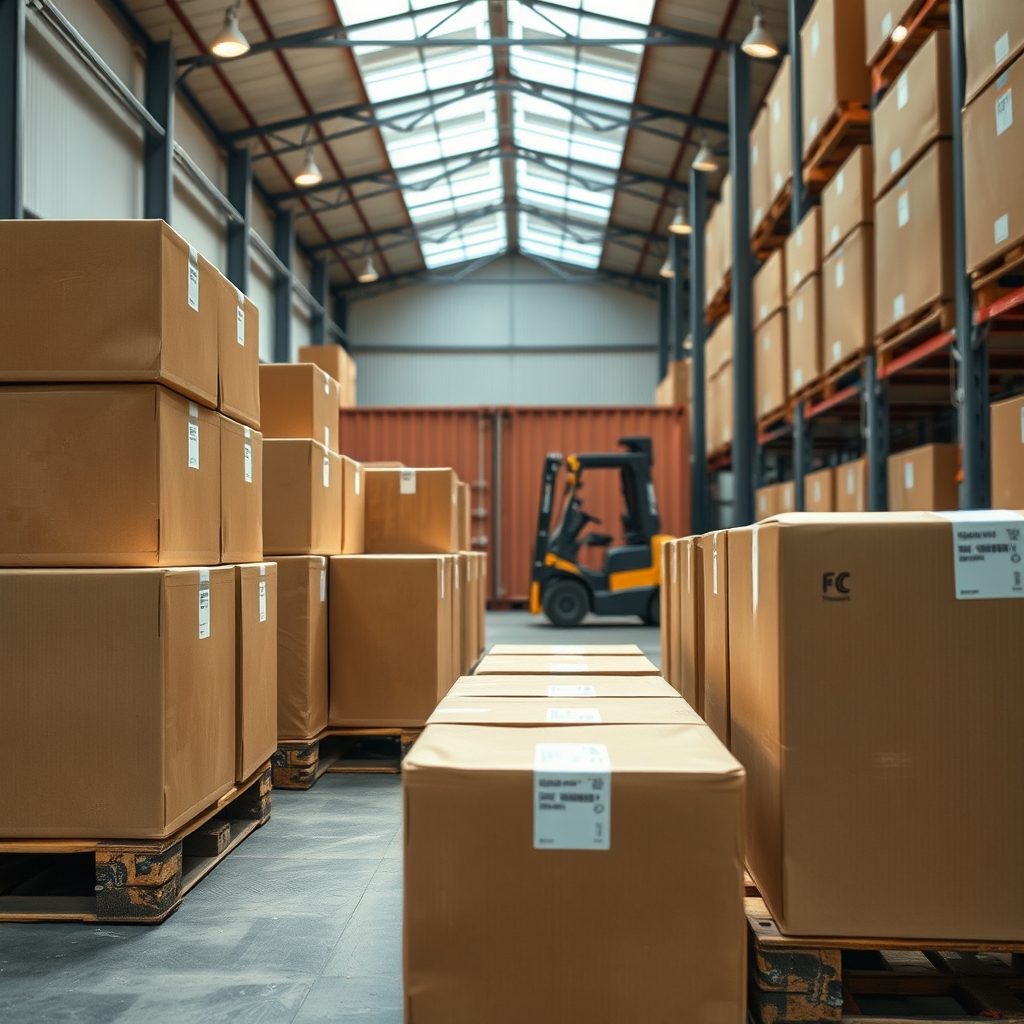
Australia runs one of the strictest biosecurity regimes in the world, and it applies to a wide range of goods beyond obvious agricultural products — wood packaging, dried herbs, spices, some cosmetics with plant extracts, and even packaging materials can trigger inspection or treatment requirements. This matters particularly if you're sourcing Thai herbal products, where botanical ingredients may need additional documentation or may be restricted entirely depending on the plant species involved. Treated wood pallets (ISPM 15 compliant) are generally required for sea freight. Building in time and budget for a possible biosecurity inspection — rather than assuming your shipment will clear automatically — saves a lot of stress on the first few orders.
Sourcing categories that commonly move from Thailand to Australia
Thailand's export base covers a wide range of categories that suit the Australian market: Thai food and beverage suppliers producing sauces, snacks, coffee, and ready-to-eat products; cosmetics and spa products; rubber and plastic goods; and homeware or decor items. If you're building your own brand rather than reselling an existing one, private label in Thailand is a well-established option — many Thai manufacturers across food, cosmetics and household goods offer white-label or custom-formulation services, though terms, minimum order volumes and lead times vary by factory and should be confirmed directly during quoting. Matching your product category to a supplier with export experience to Australia specifically (rather than only domestic Thai sales) tends to make the compliance side smoother.
Working with a freight forwarder or sourcing platform
Unless you already have an established relationship with a Thai supplier and a customs broker in Australia, it's usually worth working with a freight forwarder who handles the Thailand–Australia lane regularly and understands AANZFTA documentation and Australian biosecurity requirements. Platforms like ThaiNex and THAIMOST are part of the broader Thailand sourcing ecosystem and can help connect buyers with verified suppliers and logistics support, alongside independent forwarders and customs brokers you may already use — it's worth comparing a few options rather than committing to the first quote you receive. Whichever route you choose, ask specifically about their experience shipping to Australia, since rules and risk areas differ from, say, the US or EU market.
Costing out the full landed price before you commit
Freight quotes rarely tell the whole story. Budget for GST (generally 10% on the customs value plus freight and insurance, confirmed at clearance), potential duty depending on HS code and AANZFTA eligibility, customs broker fees, biosecurity inspection or treatment fees if your shipment is selected, and inland transport from the Australian port to your warehouse. Getting a landed cost estimate from your forwarder before the goods ship — not after — lets you compare it honestly against local or other sourcing-country alternatives.
Need expert support?
Leave your details and our team will get back to you.
FAQ
Frequently asked questions
How long does shipping from Thailand to Australia usually take?
Sea freight transit time depends on the port pair and shipping line schedule, typically ranging from a few days to a couple of weeks for the voyage itself, plus time for port handling and inland delivery. Air freight is faster but costs more. Always confirm current transit estimates with your forwarder for the specific route and season, since schedules shift with demand and port conditions.
Do I need a licence to import from Thailand into Australia?
Most general goods don't require a specific import licence, but certain categories — including some food, plant-derived, and therapeutic goods — may need permits or fall under biosecurity controls. Check your product's HS code against Australian Border Force and biosecurity.gov.au requirements before shipping.
Can I get preferential tariffs under AANZFTA?
Many products qualify for reduced or zero duty under the ASEAN-Australia-New Zealand Free Trade Agreement if you can provide a valid certificate of origin and the goods meet the rules of origin for that HS code. Your supplier or a customs broker can help confirm eligibility and prepare the right documentation.
Is it easy to do private label in Thailand and ship direct to Australia?
It's a common arrangement — many Thai manufacturers in food, cosmetics and household categories offer private label services and have experience exporting internationally. Terms such as order volumes, lead times and included documentation vary by factory, so these details should be confirmed directly with each supplier during quoting.
Prepared by the Import Thai team for informational purposes. Some links may lead to referred partners.
Articles
Related articles

HS Codes for Thai Cosmetics and Food: How to Get Them Right
Getting HS codes for Thai cosmetics and food wrong is one of the few importing mistakes that costs you money on every single shipment, quietly, until someone audits you.
How to Source Thai Coconut Products: A Guide for Importers
Coconut is one of the easiest Thai categories to get interested in and one of the easiest to get wrong, because it is not one product.
Import Duties on Thai Products: How They Are Calculated
Import duties on Thai products depend on three things you control more than you think: the HS code, the declared customs value, and your proof of origin.