Thai beauty & wellness
Storing Thai Beauty Products During Shipping: Where Heat Damage Starts
Most damaged beauty shipments from Thailand are not dropped or crushed; they are cooked. A sunscreen that separates, a lipstick that sweats or a cream that turns grainy usually spe
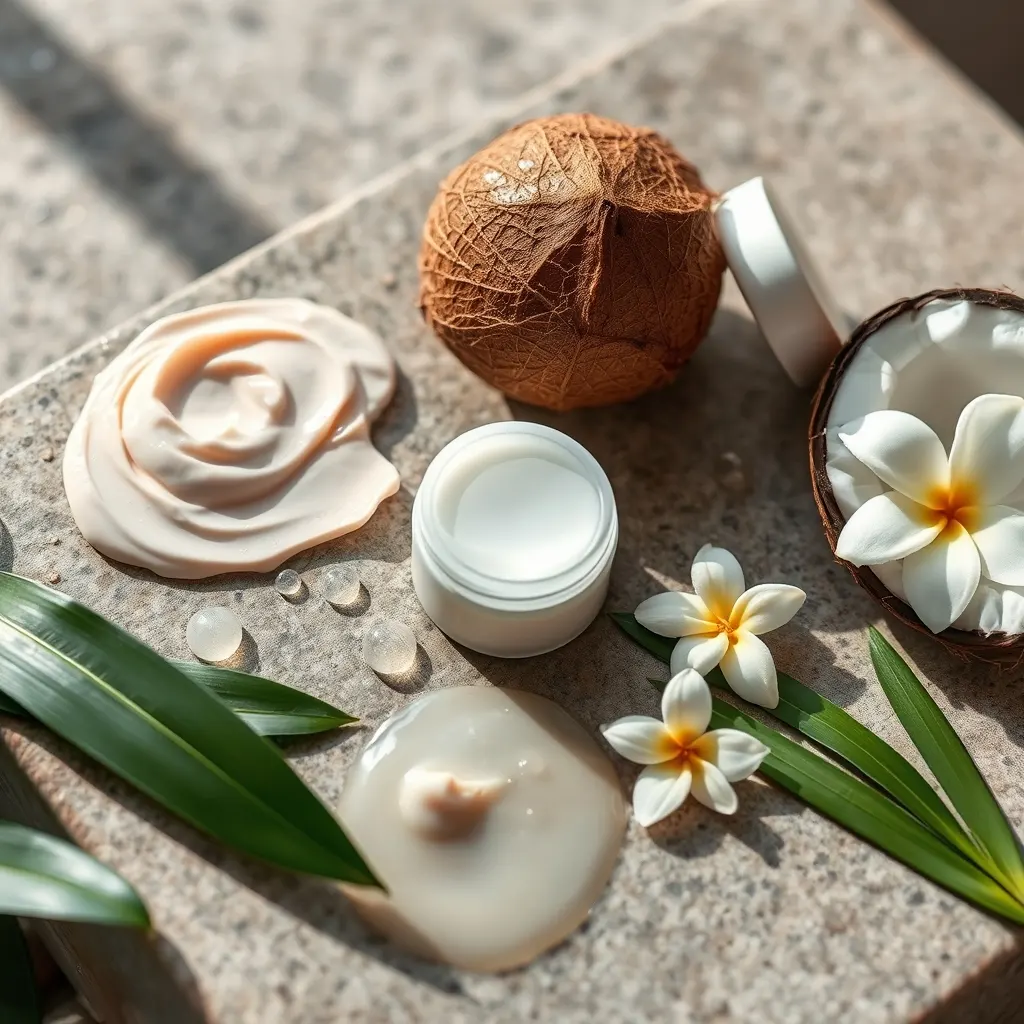
Most damaged beauty shipments from Thailand are not dropped or crushed; they are cooked. A sunscreen that separates, a lipstick that sweats or a cream that turns grainy usually spent too long somewhere hot, not in the hold of a ship. Knowing how to store Thai beauty products during shipping means managing every stop on the route, from the supplier's loading bay to your own shelf, and this article walks through each one.
Why cosmetics suffer in transit more than most goods
Beauty products are built to sit in a bathroom, not in a steel container. Most formulas are emulsions, waxes or oil blends that behave well within a moderate temperature range and start to change outside it. The risk is rarely a single hot day; it is repeated swings between hot and cool, which stress emulsions and packaging seals over and over.
Typical failure points by product type:
- **Creams and lotions:** separation, change in texture, a watery layer on top, or a grainy feel when waxes recrystallise after cooling.
- **Sunscreens:** UV filters and emulsifiers can be sensitive to heat; visible separation is a warning sign worth testing before sale.
- **Lipsticks and balms:** softening, sweating (oil droplets on the surface) and bloom, a whitish film from waxes migrating.
- **Oils and serums:** oxidation and odour changes, especially in plant oils exposed to heat and light.
- **Aerosols and pressurised items:** pressure rises with heat, which is why they usually count as dangerous goods for transport.
Humidity matters too. Thailand's climate means cartons can absorb moisture during staging, then weaken and collapse under stacked weight. Paper labels wrinkle and printed boxes stain, which turns a perfectly good product into something retailers will refuse. The goal of good storage in transit is simple: keep temperature as stable as possible, keep moisture out, and keep weight off fragile packs.
Sort the order by sensitivity before it leaves Thailand
A mixed beauty order should not be treated as one uniform load. Before booking freight, group your SKUs into rough sensitivity tiers with your supplier, using their product specifications and storage instructions as the basis.
- **High sensitivity:** lipsticks, solid balms, sunscreens, products with natural oils or active ingredients that the supplier flags as heat-sensitive. These deserve the most protection and the shortest exposure.
- **Medium sensitivity:** standard creams, lotions, shampoos and gels. Usually fine with good packing and sensible routing.
- **Lower sensitivity:** powders, bar soaps, dry herbal goods and sturdy packaging items.
Ask each supplier for the recommended storage range printed or implied on the product, and whether they have stability data at higher temperatures. Reputable sellers of **Thai skincare wholesale** lines can usually tell you which items in their range need extra care. If they cannot answer, that is information too.
This sorting drives real decisions. High-sensitivity items might travel by air while the rest goes by sea, or be placed in the centre of the container rather than against the walls and doors, where heat builds up fastest. It also tells you which cartons to open first on arrival. Write the tiers into your purchase order and packing instructions so the warehouse team in Thailand follows them, rather than relying on a phone call nobody remembers.
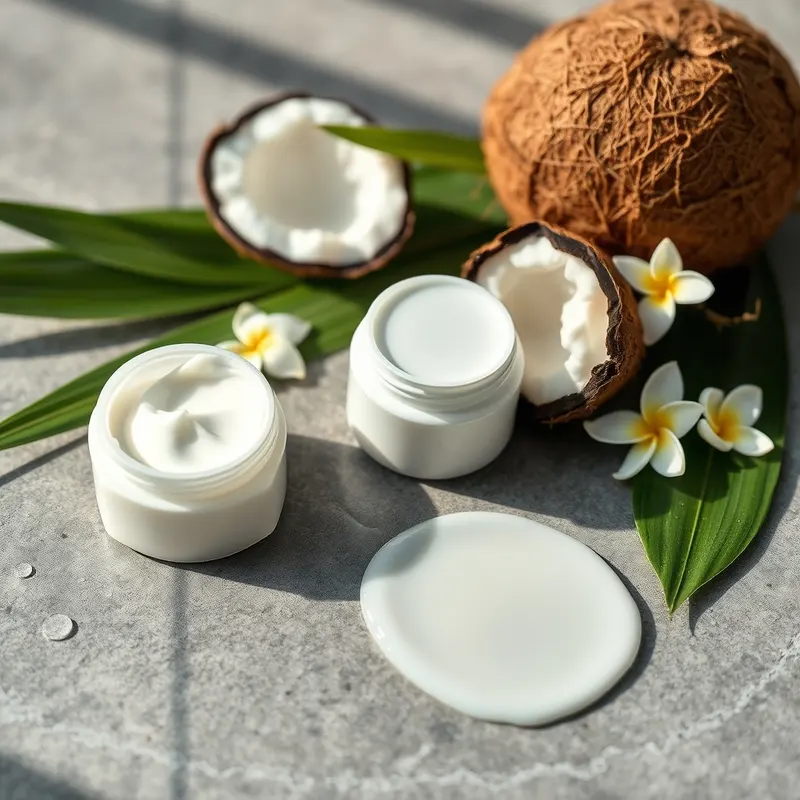
Packing at origin: the layer that does most of the work
Good packing buys you protection for the whole journey, while a perfect route cannot rescue poor packing. Agree packing requirements in writing before production finishes.
Points worth specifying:
- **Inner protection:** caps tightened and, for liquids, an inner seal or shrink band to prevent leaks when pressure and temperature change.
- **Carton strength:** export-grade corrugated cartons rated for the stacking height you expect. Ask what board grade is used and whether cartons are new.
- **Moisture control:** plastic liners inside cartons for humid routes, plus desiccant packs in containers. Container desiccants hang from the walls and absorb condensation that otherwise drips onto the top layer.
- **Thermal protection:** for heat-sensitive SKUs, insulated carton liners or thermal pallet covers reduce temperature spikes. They do not create cold, they slow heating.
- **Palletising:** shrink-wrapped pallets with corner boards keep cartons stable and off wet floors.
For products such as **Thai lipstick suppliers** often ship, individual blister trays or partitioned inner boxes stop sticks touching each other if they soften slightly. Ask the supplier for photos of a packed carton and a loaded pallet before dispatch. Clear marks on every carton, such as keep dry, this way up and protect from heat, help handlers along the way, although they should never be your only safeguard.
Air, sea, dry container or reefer: matching the mode to the product
Each mode trades cost against exposure, and there is no single right answer for every beauty line.
**Air freight** shortens the journey but not necessarily the heat exposure. Cargo can sit on airport aprons or in non-conditioned sheds, so ask your forwarder about temperature-controlled handling options and avoid tight connections that leave goods waiting outdoors. Air suits high-value, high-sensitivity items and samples.
**Sea freight in a dry container** is the usual choice for volume. The main risk is heat inside the box, especially at ports in hot climates and on routes with transshipment. A container placed below deck usually runs cooler than one exposed on top, and some carriers accept stowage requests. Ask your forwarder what is possible on your lane.
**Reefer containers** hold a set temperature and are worth discussing for products like **Thai sunscreen suppliers** often flag as heat-sensitive, or for natural formulas without strong stabilisers. They cost more and need power at every stage, but they remove most guesswork.
Whatever the mode, minimise dwell time. Ask the forwarder how long cargo typically waits at origin before loading and at destination before collection, then plan documents so customs clearance does not hold goods in a hot yard. Routing that looks cheaper on paper can become expensive if it adds extra handling and days in sun-exposed terminals.
Staging and warehousing at both ends of the route
The weakest points are often before departure and after arrival, not during the voyage.
**In Thailand:** finished goods may wait days in a supplier's warehouse or a consolidator's shed while other parts of your order are completed. Ask where goods will be staged, whether the space is covered and ventilated, and whether pallets sit on the floor or on racks. If you consolidate several suppliers into one container, the consolidator's warehouse conditions matter as much as each factory's.
**At destination:** customs inspections, document queries or delays in collection can leave cargo sitting at the port. Prepare your documents before the ship arrives and check requirements with your customs broker in advance, because cosmetic import rules vary by country and are best confirmed locally.
**In your own storage:** once cleared, move beauty products into a temperature-stable space quickly. Avoid storing them near loading doors, under metal roofs without insulation, or next to heat sources.
The same logic applies to adjacent categories. Products like **Thai massage oil**, herbal balms and natural soaps tolerate more than emulsions, but oils can still oxidise and balms can soften. Applying the same discipline across your whole Thai range avoids having to manage exceptions.
Checks, records and what to do if something arrives wrong
Good records turn a disappointing delivery into a solvable problem instead of an argument.
**Before shipping:** keep the supplier's packing photos, batch numbers and any certificates of analysis provided for each batch. Note the dispatch date and the agreed packing method.
**During transit:** inexpensive temperature data loggers placed in a few cartons show what the goods actually experienced. Even one logger per shipment is useful evidence and helps you choose better routes next time.
**On arrival:** open a sample of cartons from different positions, especially from near the doors and top layers. Check:
- Texture, colour and smell against a retained reference sample.
- Leaks, bulging caps or swollen tubes.
- Carton condition, label damage and moisture stains.
Photograph everything before moving goods further. If you find damage, notify your forwarder and insurer promptly in line with the terms of your cargo policy, and share logger data and photos with the supplier.
For buyers comparing several manufacturers, a marketplace such as THAIMOST lets you ask verified suppliers about storage recommendations and packing practices before you order, alongside your own checks. Verification lowers risk but does not replace testing samples and agreeing packing terms in writing.
Need expert support?
Leave your details and our team will get back to you.
FAQ
Frequently asked questions
Do all Thai cosmetics need a refrigerated container?
No. Many creams, shampoos and powders travel well in dry containers with good packing and sensible routing. Reefers are worth considering for products the supplier flags as heat-sensitive, high-value lines, or natural formulas with limited stabilisation. Ask your supplier and forwarder to assess your specific range.
Will desiccants alone protect my shipment from humidity?
Desiccants help by absorbing condensation inside the container, but they work best combined with export-grade cartons, plastic liners for humid routes and pallets that keep goods off the floor. They do nothing against heat, so combine them with routing and stowage choices if your products are temperature-sensitive.
How can I prove heat damage happened during transport?
Temperature data loggers placed inside cartons give a record of conditions throughout the journey. Combine that with packing photos taken before dispatch, arrival photos and a retained reference sample from the same batch. Check your cargo insurance terms for the evidence and notification steps required.
Are aerosol beauty products shipped differently?
Usually yes. Aerosols and some products with flammable ingredients are often classed as dangerous goods, which means special documentation, packing and carrier acceptance rules, particularly for air freight. Confirm the classification with your supplier and forwarder before booking, and check destination rules with your customs broker.
Prepared by the Import Thai team for informational purposes. Some links may lead to referred partners.
Articles
Related articles
Are Thai Spa Products Safe to Import? What to Check First
Are Thai spa products safe to import? The honest answer is that safety is decided product by product, not by country of origin. Thailand has a mature spa and herbal industry, but a
Importing Thai Bath Salts and Body Scrubs the Right Way
If you want to know how to import Thai bath salts and body scrubs without a shipment arriving as leaking jars or stuck in customs, the short answer is this: classify the product co

Importing Thai Cosmetics: A Practical Guide for Buyers and Distributors
If you're importing Thai cosmetics for the first time, your biggest worry probably isn't finding a product you like — it's finding a supplier who can actually deliver it, with the
Thai Wellness Products Worth Considering for Private Label
Thai wellness products for private label sourcing range from herbal balms and massage oils to spa sets and ingestibles. This guide covers which categories travel well, how to vet a supplier and what documents to request.
How to Import Thai Hair Care Products: A Step-by-Step Buyer Guide
Thai shampoos, herbal conditioners and hair treatments sell well across Asia, the Middle East and beyond, but many first-time buyers stall at the same question: how do you move the
Thai Sheet Masks and Face Masks: How Importers Bring Them In
Thailand has become a serious sourcing hub for sheet masks, clay masks and other cosmetic face masks, thanks to a dense network of contract manufacturers and a strong domestic beau