Thai beauty & wellness
How to Import Thai Hair Care Products: A Step-by-Step Buyer Guide
Thai shampoos, herbal conditioners and hair treatments sell well across Asia, the Middle East and beyond, but many first-time buyers stall at the same question: how do you move the
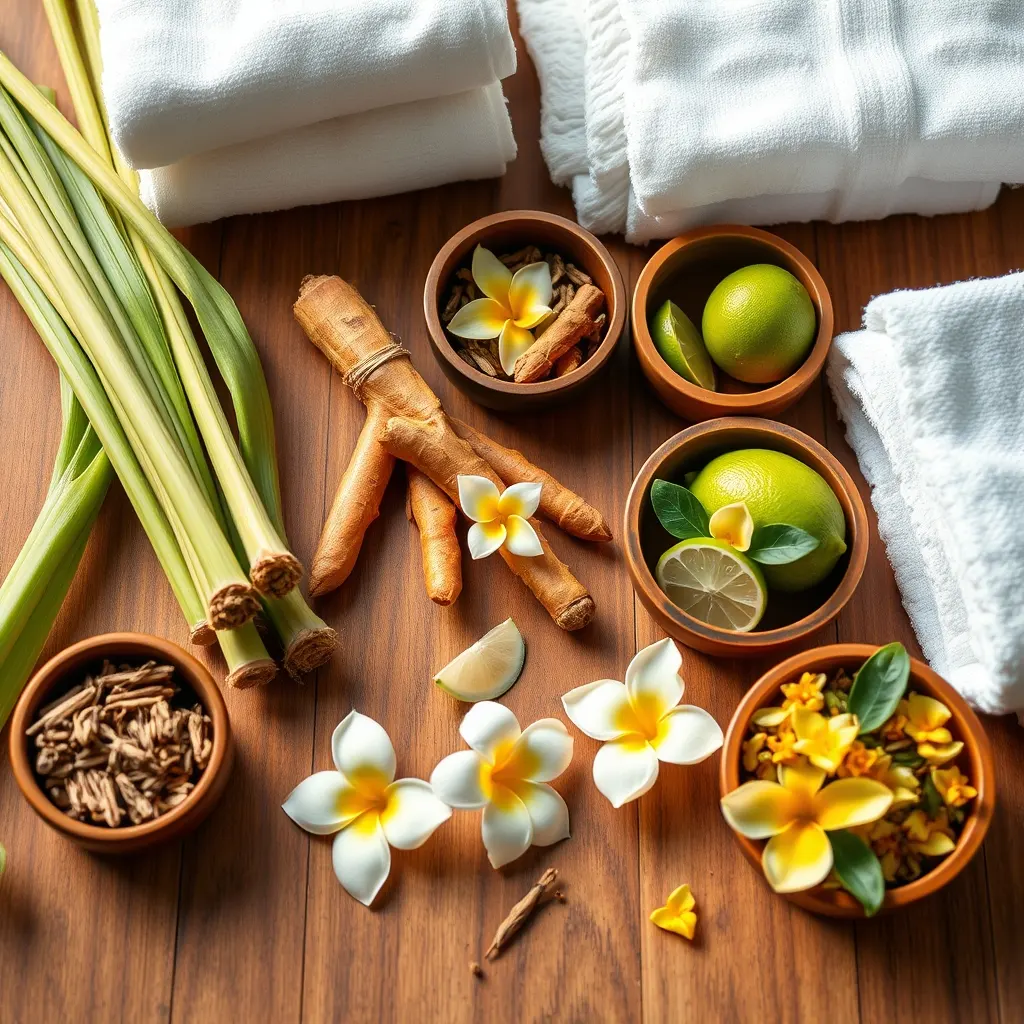
Thai shampoos, herbal conditioners and hair treatments sell well across Asia, the Middle East and beyond, but many first-time buyers stall at the same question: how do you move them legally and profitably into your market? This guide explains how to import Thai hair care products step by step, from choosing a category and source to documents, labelling and the first shipment, with the trade-offs you should weigh at each stage.
Choose the right hair care category before choosing a supplier
Thai hair care is a broad category, and the regulatory and logistics work changes depending on what you buy. Start by narrowing your focus:
- **Mass-market shampoo and conditioner**: well-known Thai and international brands produced in Thailand. Easy to explain to customers, but competitive on price.
- **Herbal and traditional hair care**: formulas built around ingredients such as butterfly pea, kaffir lime or coconut. They carry a strong origin story and fit natural or spa-oriented retail.
- **Treatments, masks and serums**: higher value per unit, often bought by salons and beauty retailers.
- **Private label hair care**: your own brand, produced by a Thai contract manufacturer.
Ask three questions before committing. Who is your end customer: supermarkets, salons, online shoppers or pharmacies? What price position can your market support once freight and duties are added? And are the products classified as cosmetics in your country, or could any claims, such as anti-hair-loss, push them into a stricter category? That last question matters: a product that is a simple cosmetic in one market may need extra review in another. Check classification early with your customs broker or the relevant authority, before you spend money on samples.
Compare sourcing routes: distributor, factory or marketplace
There is no single best way to buy. Each route suits a different buyer.
**Authorised distributors and exporters** handle established brands. You get recognisable products and, usually, export documents supplied per item at the time of order. ThaiNex, for example, works as a Bangkok-based source for genuine Thai brands across cosmetics, herbal and household categories, and can share a wholesale Thai products catalog to help you shortlist.
**Direct from manufacturers** makes sense when you want volume pricing on a specific product or want to build your own label. Expect more negotiation, sampling and specification work.
**B2B marketplaces** let you compare several suppliers side by side, send requests for quotation and review profiles. A platform listing verified Thai suppliers, such as THAIMOST, can shorten the discovery phase, but you still need to do your own checks.
**Wholesale markets and trading agents** offer flexibility for small mixed orders, though documentation and consistency can be harder to secure.
Many importers combine routes: buy a few known brands through a distributor to start selling, then test a private label line later. Whatever you choose, ask each source upfront what documents they can provide for your destination.
Run supplier verification before you pay a deposit
Hair care is a repeat-purchase category, so a reliable supplier matters more than a cheap first order. Build a simple supplier verification routine:
- **Confirm the business**: company registration, physical address, and who you are actually dealing with, whether manufacturer, distributor or trading company.
- **Ask about product documentation**: ingredient lists, product specifications and, where relevant, notification or registration status in Thailand. Treat these as items to confirm per product, not as blanket claims.
- **Request samples of the exact SKU**: same size, same packaging, same formula as the bulk order.
- **Check shelf life and storage**: how much remaining shelf life will goods typically have at dispatch, and how should they be stored?
- **Clarify payment and terms in writing**: deposit, balance, Incoterms and what happens if goods do not match the sample.
A video call that shows the warehouse or production line can add confidence, and so can a third-party inspection for larger orders. Be wary of any offer that seems far below normal market pricing for a well-known brand; ask more questions rather than fewer. Good suppliers welcome these checks because they reduce disputes later.
Understand regulations and labelling in your market
Every destination treats imported cosmetics differently, and hair care usually falls under cosmetic rules. The details below are general reference only; always confirm current requirements with the authority in your country or with your customs broker.
Common areas you will need to check:
- **Product notification or registration**: many markets require cosmetics to be notified or registered before sale, often by a local importer or responsible person.
- **Ingredient restrictions**: some ingredients permitted in Thailand may be restricted or limited elsewhere.
- **Labelling**: local-language labels, ingredient listing format, importer details, batch number and expiry or production date. Many importers apply a compliant sticker label over the original pack.
- **Claims**: wording such as anti-hair-loss or medicated can trigger stricter rules. Keep claims cosmetic and factual.
- **Origin documents**: a certificate of origin may help you access preferential duty under trade agreements, depending on your country.
Budget time for this work before your first shipment. Importers who sort out notification and labelling first rarely have goods stuck at the border; those who ship first and ask later often do.
Plan logistics, landed cost and the first order
Hair care is heavy relative to its value: shampoos and conditioners are mostly water in plastic bottles. That makes freight choice and landed cost central to your margin.
- **Sea freight** suits larger mixed orders and keeps cost per unit low.
- **Air freight** works for samples, urgent replenishment or high-value treatments, but is costly for full-size liquid products.
- **Land transport** can be practical for neighbouring markets in mainland Southeast Asia.
Calculate landed cost properly: product price, packing, inland transport in Thailand, export clearance, international freight, insurance, import duty and taxes, clearance fees, local delivery and any relabelling. Many new importers only compare the ex-works price and are surprised later.
For the first order, keep the range tight. A few proven SKUs, such as a popular Thai shampoo, a matching conditioner and one herbal treatment, will teach you more about sell-through than a wide range. Ask your supplier for packing details per carton so you can plan pallets efficiently. Pricing depends on product and quantity, so request a written quotation that states what is included, then compare quotes on the same basis.
Common mistakes when importing Thai hair care
A few errors come up again and again with first-time hair care importers:
- **Ignoring leakage risk**: liquid products need sealed caps, shrink bands or inner seals, and cartons strong enough for stacking. Ask how products are packed for export.
- **Mixing too many brands in one order**: it complicates documentation, labelling and stock control.
- **Overlooking climate**: some formulas thicken or separate in extreme heat or cold. Ask about storage conditions and plan warehousing accordingly.
- **Assuming documents will follow**: confirm before ordering which documents will be supplied with each item.
- **Copying claims from Thai packaging**: wording acceptable in Thailand may not be acceptable in your market.
- **Skipping a test market**: list a small batch online or with a few retailers before scaling.
You may also consider Thai herbal products alongside hair care, such as herbal balms or massage oils, if your customers respond well to the herbal story. Expanding within one theme is usually easier than jumping into unrelated categories. Above all, keep records of every sample, quotation and agreement; they make repeat orders smoother and protect you if something goes wrong.
Need expert support?
Leave your details and our team will get back to you.
FAQ
Frequently asked questions
Do I need a licence to import Thai shampoo?
It depends on your country. Many markets treat shampoo as a cosmetic, which may require product notification and a registered importer or responsible person before sale. Requirements change, so confirm with your local cosmetic regulator or customs broker before placing your first order.
Can I sell Thai hair care with the original Thai label?
Usually you will need to add local-language information, such as ingredients, importer details and usage instructions, often as an overlay sticker. The exact labelling rules vary by market, so check with the relevant authority and prepare compliant labels before goods arrive.
Is it better to import established brands or start a private label?
Established brands are faster to sell because customers already know them, but margins can be tighter. Private label gives you more control and differentiation, yet needs more investment in formulation, packaging and registration. Many importers start with known brands and add private label later.
How can I reduce the risk with a new Thai supplier?
Verify the business, request samples of the exact SKU, agree terms in writing and start with a modest order. For larger orders, a pre-shipment inspection adds protection. Comparing several suppliers through quotations also helps you spot offers that look unrealistic.
Prepared by the Import Thai team for informational purposes. Some links may lead to referred partners.
Articles
Related articles

Thai Herbal Products Wholesale: What Importers Should Know First
Thai herbal products wholesale looks simple from the outside: balms, inhalers, teas and oils that already sell themselves in tourist shops. The difficulty starts when you try to im

Thai Spa Products Import Guide: What Buyers Need to Know Before Ordering
Thailand's spa and wellness sector has built a strong reputation for natural ingredients, traditional formulations and competitive manufacturing — which is exactly why so many impo

Thai Beauty Product Labeling Requirements for Export: What to Check
Thai beauty product labeling requirements for export: which label belongs to Thailand, which to your market, the elements buyers check, who makes the destination label, and how to run a label review before you pay.
How to Import Thai Essential Oils: A Practical Buyer Guide
Learning how to import Thai essential oils is less about finding a supplier and more about knowing what is actually in the drum you
Thai Wellness Products for Private Label Sourcing: A Buyer's Guide
Thai wellness products for private label sourcing range from herbal balms and massage oils to spa sets and ingestibles. This guide covers which categories travel well, how to vet a supplier and what documents to request.
How to Import Thai Face Masks and Sheet Masks: A Practical Guide for Buyers
Thailand has become a serious sourcing hub for sheet masks, clay masks and other cosmetic face masks, thanks to a dense network of contract manufacturers and a strong domestic beau