Sourcing in Thailand
Best Products to Import from Thailand for Small Business: A Practical Starting List
If you're searching for the best products to import from Thailand for small business, you've probably already noticed the problem: there are thousands of categories, and most "top

If you're searching for the best products to import from Thailand for small business, you've probably already noticed the problem: there are thousands of categories, and most "top products" lists online are generic and untested. Thailand's manufacturing base is strong in a handful of areas — beauty, personal care, food and beverage, and wellness goods — where small importers can realistically start without huge capital or complex certification. This guide walks through five product categories worth evaluating, what to check before you commit, and how sourcing actually works in practice, so you don't waste time or money on the wrong first order.
Why Thailand is a reasonable starting point for small importers
Thailand has a mature export infrastructure for consumer goods, particularly in beauty, personal care and food categories, supported by agencies like DITP (Department of International Trade Promotion) that actively promote Thai SME exporters at trade fairs. For a small business, this matters because you're more likely to find manufacturers already used to working with overseas buyers, producing in smaller production runs, and familiar with export documentation. That doesn't mean every supplier is export-ready — you still need to verify each one — but the ecosystem is more accessible than in markets with mostly large-volume factories.
Beauty and personal care: makeup, soap and balms
Cosmetics and personal care are probably the most commonly imported category from Thailand, and for good reason: the country has a dense cluster of OEM/ODM factories and its own retail brands. Thai makeup brands are popular with resellers because many offer finished, ready-to-sell packaging and formulations already positioned for tropical or humid climates, which can appeal to markets with similar conditions. Alongside makeup, Thai natural soap is a strong category — bar soaps using local ingredients like rice, turmeric, or coconut are widely produced and often marketed around natural or herbal positioning. A related niche is Thai herbal balm, built on traditional formulations (camphor, menthol, herbal oils) that have a long domestic track record and recognizable branding overseas, especially in markets with Southeast Asian diaspora communities. Before importing any of these, check whether the product falls under Thai FDA cosmetic or drug registration requirements, and separately confirm what your destination country requires for cosmetics or topical products — these are two different checks and both matter.
Wellness and aromatherapy
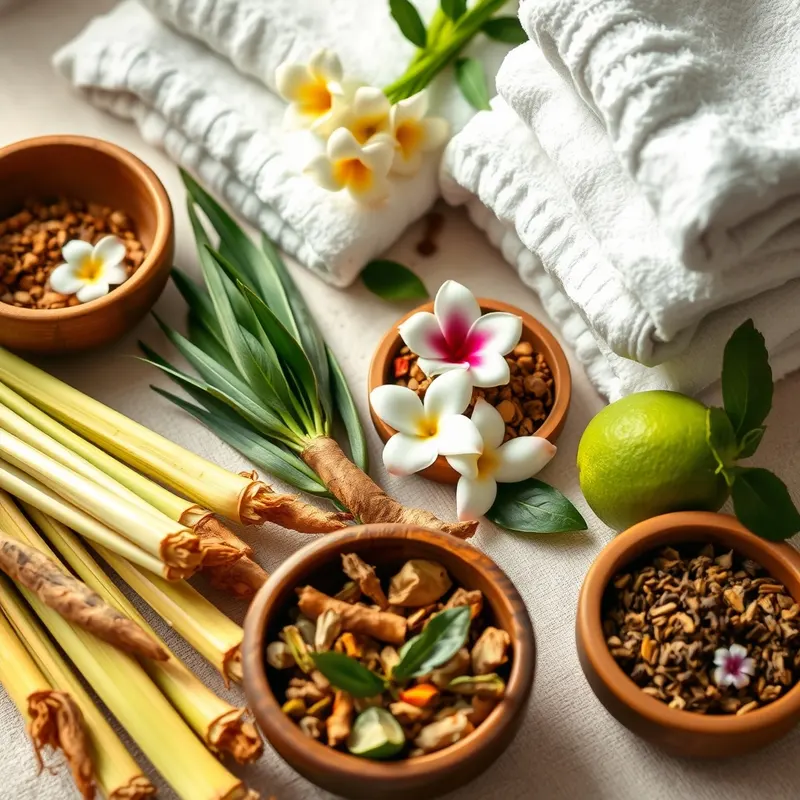
Thailand's spa and wellness industry has created a solid supply base for Thai aromatherapy oils — essential oils, massage oils and blends often tied to traditional Thai massage practices. This category sells well through wellness retailers, spas and online stores, but it's worth asking suppliers for ingredient lists and any available safety documentation, since essential oils can be subject to labeling or import restrictions depending on your destination country. As with cosmetics, verify requirements with your customs broker or the relevant authority before placing a larger order.
Food and beverage
Thai beverages — from ready-to-drink teas and coffees to functional drinks and traditional herbal beverages — are another frequently imported category, particularly for buyers serving Asian grocery channels or specialty retail. Food and beverage imports typically involve more regulatory steps than non-food categories: expect to deal with ingredient and nutritional labeling, shelf-life documentation, and import permits specific to food products in your country. This is a category where it pays to ask the supplier directly whether they've exported to your region before, since experienced exporters will already know what paperwork buyers typically request.
How to shortlist products before you commit to an order
Rather than picking a category because it's trending, work backward from three questions: Can you verify the regulatory requirements for this product in your destination market? Does the supplier have any export documentation or certification they can share for the specific SKU (not just the company)? And can you realistically sell this product at the margins import costs, shipping and duties leave you with? Request samples, ask for product-specific paperwork rather than general company credentials, and compare at least two or three suppliers per category before deciding. Quantities, pricing and lead times vary by product and supplier, so these are best confirmed directly when you request a quote rather than assumed from a general price list.
Sourcing routes: trade fairs, platforms and sourcing agents
There are a few practical ways to find suppliers for these categories. DITP-organized trade fairs (such as those covering beauty, food or lifestyle products) are a good way to meet export-ready manufacturers directly. Online sourcing platforms focused on Thai exporters are another option, and some buyers also work with sourcing agents or consolidators who can help vet factories and handle logistics — platforms like ThaiNex or 5FINE are examples of services built around this kind of sourcing support, though it's worth comparing a few options rather than relying on just one. Whichever route you choose, treat supplier verification and sample testing as a non-negotiable step, not a formality.
Need expert support?
Leave your details and our team will get back to you.
FAQ
Frequently asked questions
What are generally the easiest Thai products for a small business to start importing?
Personal care items such as soap and balms tend to have simpler regulatory paths than food or drug-classified cosmetics, but requirements still depend on your destination country, so it's worth checking with your local customs authority before assuming any category is 'easy'.
Do I need certification to import Thai makeup brands or Thai natural soap?
It depends on the product and your market. In Thailand, many cosmetics fall under Thai FDA notification requirements; separately, your destination country will have its own cosmetic import rules. Ask suppliers for product-specific documentation and confirm requirements with your own customs broker.
Are Thai beverages harder to import than cosmetics or wellness products?
Generally yes, because food and beverage products usually require additional documentation such as ingredient and nutrition labeling, shelf-life data, and sometimes import permits specific to food products. Build extra time into your planning for this category.
How do I find reliable suppliers for Thai aromatherapy oils or herbal balms?
Trade fairs organized by DITP, verified sourcing platforms, and sourcing agents are all common routes. In every case, request samples and product-specific paperwork, and compare more than one supplier before committing to an order.
Prepared by the Import Thai team for informational purposes. Some links may lead to referred partners.
Articles
Related articles

How to Import Thai Latex Pillows: A Step-by-Step Buyer Guide
If you are working out how to import Thai latex pillows, the first thing to know is that the product is simple and the logistics are not: pillows are bulky, light and sensitive to how they are compressed and packed.

How to Find Handicraft Suppliers in Thailand: A Buyer's Method
Thai handicrafts sell well abroad precisely because they are made in small workshops, and that is also why they are hard to source at scale. If you are working out how to find hand
Questions to Ask Before Signing a Contract with a Thai Supplier
Most sourcing problems in Thailand don't happen at the factory floor — they happen in the contract, or the lack of one. A vague agreement on payment terms, quality specs, or who pa