Sourcing in Thailand
How to Import Thai Rubberwood Furniture: A Practical Guide for Buyers
If you're planning to import Thai rubberwood furniture for the first time, your biggest worry is probably not the furniture itself — it's everything around it: who to source from,

If you're planning to import Thai rubberwood furniture for the first time, your biggest worry is probably not the furniture itself — it's everything around it: who to source from, how it's packed and shipped, what paperwork customs will want, and whether the containers will arrive without damage or delay. Thailand has a long-established rubberwood furniture industry, built on wood from rubber trees that have finished their latex-producing life, which makes it a reasonably sustainable material choice for dining sets, cabinets, bed frames and outdoor-adjacent pieces. This guide walks through the practical steps — sourcing, quality checks, shipping, documentation and common pitfalls — so you can plan a first order with fewer surprises.
Why rubberwood, and what to expect from it
Rubberwood (parawood) comes from Hevea brasiliensis trees once their latex yield drops, typically after decades of tapping. Thai manufacturers have used it for furniture for years because it's relatively affordable, takes finishes well, and offers a byproduct use for an existing agricultural crop. That said, rubberwood is softer than many hardwoods and more sensitive to moisture if not properly kiln-dried and treated against insects and fungus. Before you commit to a supplier, ask specifically about kiln-drying standards and any anti-borer/anti-fungal treatment used — these details affect how the furniture performs once it reaches a different climate, especially humid or very dry destination markets. Reputable factories should be able to describe their drying and treatment process; if a supplier is vague on this, treat it as a flag to dig deeper rather than a dealbreaker on its own.
Finding and vetting a rubberwood furniture supplier in Thailand
Thailand's furniture manufacturing is concentrated in a few regions, and sourcing channels generally fall into three categories: direct factory relationships, trading companies that aggregate several factories, and sourcing agencies that manage the process for overseas buyers. Each has trade-offs. Going direct to a factory can mean better pricing and more design flexibility, but requires more of your own time for quality control, sample review and shipping coordination. A trading company can simplify communication and combine orders from multiple makers, though you add a layer between you and the actual production. A sourcing or buying agent sits closer to a full-service option — useful if you don't have a local presence to inspect goods or negotiate in Thai. Whichever route you choose, ask for product photos under natural light, request a physical sample or swatch of the actual wood and finish, and check whether the DITP (Thailand's Department of International Trade Promotion) lists the company or trade associations as participants in furniture trade fairs — this is a reasonable, verifiable signal of an established business, though not a guarantee of quality on its own.
Quality control before the container is sealed
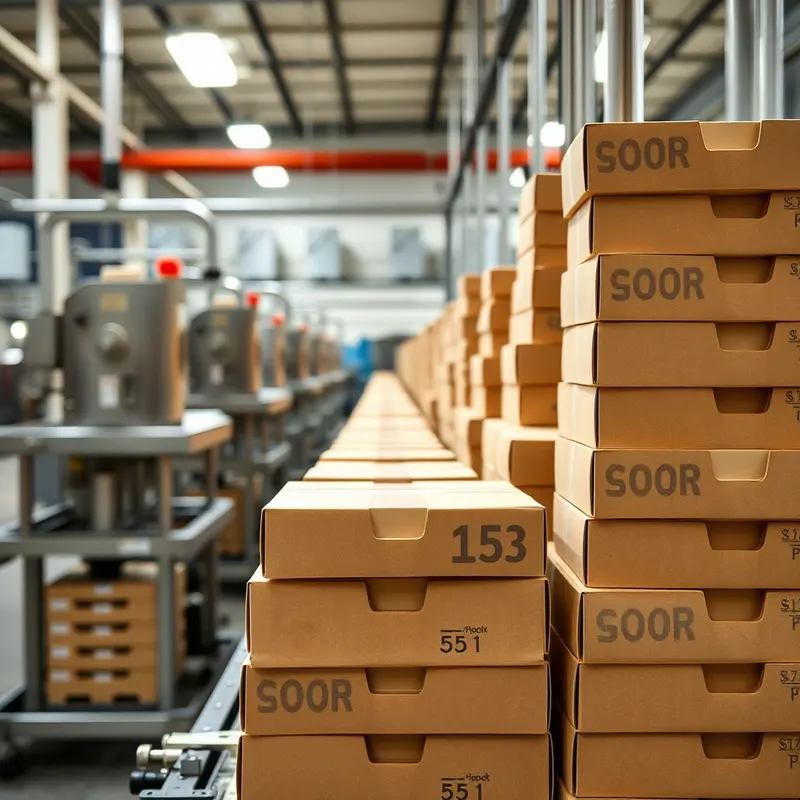
Furniture defects are expensive to fix after a container has crossed an ocean, so inspection timing matters. A pre-shipment inspection — either done yourself, through a hired inspector, or via your sourcing partner — should check joint strength, finish consistency, hardware fit (hinges, drawer slides, screws), and packing quality. Rubberwood pieces are often assembled with mortise-and-tenon or dowel joints; loose joints or visible glue residue are common issues worth flagging before loading. Packing matters just as much as the furniture itself: look for corner protection, adequate cushioning between stacked pieces, and moisture-resistant wrapping, since condensation inside a container during a long sea voyage can damage both the wood and the finish.
Shipping and logistics: container choices and timing
Furniture is bulky relative to its value, so sea freight in full-container-load (FCL) shipments is the standard choice for anything beyond a small trial order; less-than-container-load (LCL) is an option for smaller test orders but increases handling and the risk of shifting or damage in transit. Container loading plans matter a lot for furniture — ask your supplier or freight forwarder for a loading diagram before the container is packed, since poor stacking is one of the more common causes of arrival damage. Transit times and freight costs vary by destination port, shipping line and season, so get a current quote from a freight forwarder rather than relying on general figures, and build in buffer time around peak shipping seasons when container availability tightens.

Documentation and customs clearance
Standard export documents for Thai furniture shipments typically include a commercial invoice, packing list, bill of lading, and a certificate of origin if you intend to claim preferential tariff treatment under a trade agreement your country has with Thailand. Some destination markets also require fumigation certificates for wooden furniture and pallets, in line with ISPM 15 phytosanitary standards for wood packaging material — confirm this requirement with your customs broker or import authority, since rules differ by country. Thai Customs publishes export procedures and documentation requirements, and it's worth having your supplier or agent confirm which export declarations apply to your specific HS code for furniture. On the import side, check with your own country's customs authority or a licensed customs broker about duties, any furniture-specific labeling rules, and whether a formal entry is required based on shipment value.
Common mistakes first-time importers make
A few patterns show up repeatedly with new importers of Thai furniture. First, skipping a physical sample and relying only on photos — finishes and wood grain can look different in person than in images. Second, underestimating packing requirements and ending up with scratched or chipped pieces on arrival. Third, not clarifying who handles customs clearance and duties on each end (Incoterms should be agreed and written into the purchase agreement, not assumed). Fourth, ordering a large first container without a trial order, which leaves little room to adjust if quality or finish doesn't match expectations. Working through platforms like thainex.com or working with a sourcing agent familiar with Thai furniture exporters can help smooth some of these steps, particularly if this is your first import from Thailand and you don't yet have an on-the-ground contact.
Need expert support?
Leave your details and our team will get back to you.
FAQ
Frequently asked questions
Is rubberwood furniture durable enough for long-term use?
With proper kiln-drying and finishing, rubberwood furniture can hold up well for indoor use, though it's generally softer than hardwoods like teak and less suited to prolonged outdoor exposure. Ask your supplier about their drying process and intended use case before ordering.
Do I need a certificate of origin to import Thai rubberwood furniture?
You need one if you want to claim a reduced tariff rate under a trade agreement between Thailand and your country. Check with your customs broker or import authority to confirm whether such an agreement applies and what documentation it requires.
Should I order a sample before placing a full container order?
Yes, this is standard practice for furniture. A physical sample lets you verify wood quality, joint construction, finish and color before committing to a larger order, and it gives you a reference point for quality control on the full shipment.
Can I combine rubberwood furniture with other product categories in one shipment?
It's possible, though packing and stacking logistics need extra planning since furniture takes up significant volume and needs specific handling. Discuss this with your freight forwarder or sourcing partner when planning container loading.
Prepared by the Import Thai team for informational purposes. Some links may lead to referred partners.
Articles
Related articles

How to Find Handicraft Suppliers in Thailand: A Buyer's Method
Thai handicrafts sell well abroad precisely because they are made in small workshops, and that is also why they are hard to source at scale. If you are working out how to find hand

How to Import Thai Latex Pillows: A Step-by-Step Buyer Guide
If you are working out how to import Thai latex pillows, the first thing to know is that the product is simple and the logistics are not: pillows are bulky, light and sensitive to how they are compressed and packed.

How to Find a Sourcing Agent in Thailand (And Vet One Properly)
Knowing how to find a sourcing agent in Thailand matters more than most buyers expect, because the title covers at least four different business models — from a one-person interpre

How to Negotiate With Thai Suppliers: A Practical Buyer Guide
Most buyers lose the negotiation before it starts, by opening with price. Learning how to negotiate with Thai suppliers means knowing which terms are flexible, which are not, and what to settle first.

How to Import Products from Thailand: A Step-by-Step Guide for 2024
If you're planning to import products from Thailand, the biggest worry is usually not finding a supplier — it's knowing whether the supplier you find is legitimate, whether the pap

How to Find Garment Manufacturers in Thailand: A Buyer's Method
The hard part of learning how to find garment manufacturers in Thailand is not getting names. It is working out which names actually sew in-house, suit your product and will answer