Sourcing in Thailand
How to Find Garment Manufacturers in Thailand: A Buyer's Method
The hard part of learning how to find garment manufacturers in Thailand is not getting names. It is working out which names actually sew in-house, suit your product and will answer
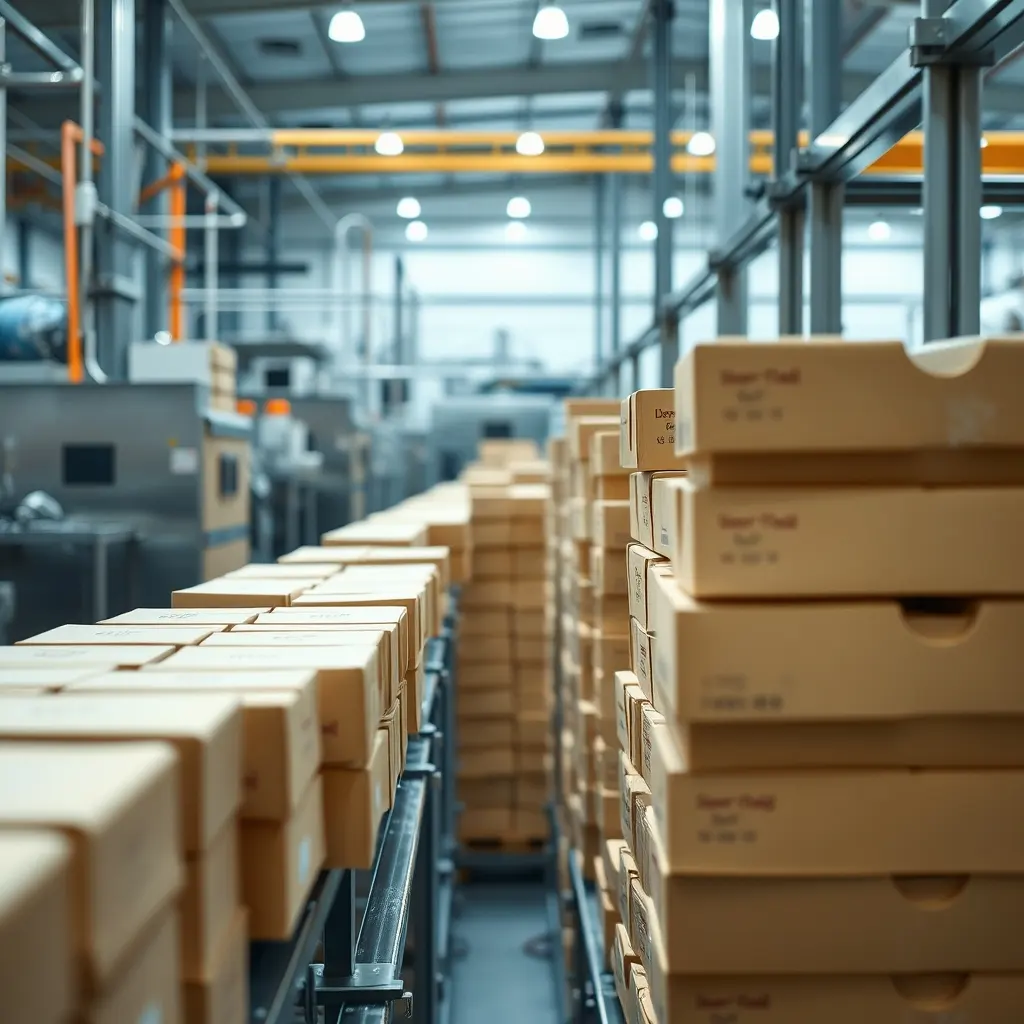
The hard part of learning how to find garment manufacturers in Thailand is not getting names. It is working out which names actually sew in-house, suit your product and will answer a small foreign buyer properly. This guide gives you a search order, a shortlist test and the questions that separate a real production partner from a polished sales page.
Decide what kind of garment partner you need first
Before you search, write down what you are really buying, because the Thai garment trade is several different businesses. A **cut-make-trim (CMT)** workshop sews from fabric and patterns you supply. A **full-package manufacturer** sources fabric, makes patterns, sews and finishes. A **knitting or dyeing mill** makes the material but may not sew at all. A **wholesale label** sells finished stock under its own designs, which suits resale but not a custom collection.
Each route changes your workload. CMT gives you the most control and the most coordination, because you own fabric sourcing, shrinkage testing and trims. Full-package is simpler to manage, but you have less visibility into fabric cost and origin. Buying wholesale stock is the fastest way to test a market, yet you get no exclusivity on the design.
A one-page brief helps here. Include:
- Product type and fabric family (woven, jersey, performance knit, silk)
- Target retail market and the quality level it expects
- Size range and any grading requirements
- Who supplies the fabric, labels and packaging
- The order size you could realistically commit to
Sending the same brief to everyone also makes replies comparable later, which saves far more time than a longer list of contacts.
Where to search: the five channels worth your time
No single channel covers the whole industry, so use several and note where each lead came from.
**Trade bodies and government sources.** The Department of International Trade Promotion (DITP) runs exporter listings and supports trade fairs, and the Thai Garment Manufacturers Association is a sensible place to look for established members. These sources tend to surface export-experienced companies, though larger ones may not be interested in a small first order.
**Trade fairs.** Meeting exhibitors lets you handle garments and compare stitching in one visit. Check the DITP calendar for current events rather than relying on old lists.
**B2B platforms.** Directories make it easy to contact many companies quickly. Some, such as THAIMOST, label supplier types and show verification badges, which helps as a starting filter, alongside your own checks. Searching for **verified Thai suppliers** narrows the field, but verification reduces risk rather than removing it.
**Wholesale districts.** Bangkok's Pratunam and Bobae areas are useful for seeing price levels and styles. Many stalls are resellers, so politely ask who makes the goods.
**Referrals.** Sourcing agents, fabric merchants and trim suppliers usually know which workshops are busy and reliable. A fabric merchant's recommendation is often more useful than a search result, because they see who actually orders material.
How to tell a real sewing factory from a trading company
Trading companies are not a problem in themselves. A good one can consolidate production across workshops and communicate well in English. The issue is knowing what you are paying for and who controls quality. Ask directly and then look for evidence that matches the answer.
Useful checks include:
- **Company registration.** Ask for registration documents and confirm the details with Thailand's Department of Business Development. Compare the registered address with the claimed factory address.
- **Live video of the sewing floor.** Ask for a walk-through during working hours, not a prepared clip. Request a look at the cutting tables, sewing lines and finishing area.
- **Machine and capacity detail.** A production manager can tell you line count, machine types and which garments the lines are set up for. Vague answers deserve a follow-up.
- **Work in progress.** Ask what they are sewing this week, without asking for confidential client names.
- **Subcontracting policy.** Ask which processes such as embroidery, printing or washing go outside, and to whom.
If a company says it is a trader, that is a straightforward answer you can work with. Your next question is how it monitors the workshops it uses. Be more careful with a company whose story changes as you ask for detail.
Shortlist with a sample that tests the hard parts
Once you have a handful of serious replies, let a paid sample do the deciding. Choose a style that shows the difficult parts of your product, rather than a plain garment any workshop can sew. Stretch fabrics, set-in sleeves, plackets, zips and pattern matching all reveal skill quickly.
Give each candidate the same tech pack, so you are comparing workmanship rather than interpretation. A basic tech pack has flat sketches, a measurement chart, tolerances, fabric and trim details, stitch types and label placement. If you do not have one, a pattern maker can prepare it, and that investment usually pays back by reducing misunderstandings.
When samples arrive, check them methodically:
- Measure against your chart at every listed point
- Wash and dry the garment, then measure shrinkage and check colour
- Pull seams gently and inspect stitch density and thread ends
- Look inside the garment, where quality shortcuts tend to appear
- Check how clearly the factory communicated problems along the way
The last point matters as much as the stitching. A factory that flags a fabric issue before cutting is often a better partner than one that delivers a neat sample with no questions asked. Keep the approved sample sealed and signed, because it becomes your reference for bulk production.
Common mistakes buyers make with Thai garment suppliers
Most sourcing problems in garments trace back to a few avoidable decisions.
**Comparing quotes that are not comparable.** One quote may include fabric, trims and packing while another is sewing labour alone. Ask for a cost breakdown and note the Incoterm, such as EXW or FOB, so that you can compare like with like.
**Assuming fabric is local.** Plenty of good garments use imported material. This can matter for trade-agreement origin rules and for any Made in Thailand claim, so ask where fabric and yarn come from and check the rules with your customs broker.
**Skipping a pre-production meeting.** Confirm the approved sample, sizes, colours, labels and packing in writing before cutting begins. Small assumptions become expensive once fabric is cut.
**No inspection plan.** Agree in advance when inspection takes place and what counts as a defect. Many importers use a third-party inspector during and after production, especially on a first order.
**Ignoring labelling in your own market.** Fibre content, care labels and country-of-origin marks are regulated differently from one country to another. Confirm the requirements with your local authority or customs broker before labels are printed.
**Starting with too many styles.** A narrow first order keeps attention on quality and makes problems easier to trace. You can widen the range once the working relationship has proved itself.
Need expert support?
Leave your details and our team will get back to you.
FAQ
Frequently asked questions
Is Thailand a good place to source garments compared with other countries?
It depends on the product. Thailand is often considered for quality-focused knits, sportswear, silk and smaller fashion runs, while other countries may suit very large basic orders. Compare total landed cost, quality, communication and duties for your own market, using real quotes rather than general reputation.
What order size will a Thai garment factory accept?
There is no single answer, as requirements vary by factory, fabric, colours and construction. Fabric mills and dye lots often influence the number as much as the sewing line does. Share your brief and realistic quantity early, then ask each factory what determines its minimum for your particular style.
Do I need to visit Thailand to find a garment manufacturer?
You can begin remotely through directories, video calls and samples, which is enough to build a shortlist. Many buyers still visit before placing a substantial order, or send an independent inspector. A visit shows you working conditions, order flow and management style in a way documents cannot.
Who handles customs paperwork for garments shipped from Thailand?
That depends on the Incoterm you agree and on your local rules. Export documents are usually prepared by the seller or its forwarder, while import clearance sits with you and your broker. Check classification, duties and any preferential origin documents with your customs broker before shipping.
Prepared by the Import Thai team for informational purposes. Some links may lead to referred partners.
Articles
Related articles

Bangkok Wholesale Markets Guide: Where to Buy and What to Check
A practical Bangkok wholesale markets guide for importers: which market suits which category, how buying actually works on the ground, what paperwork you will and will not get, and when a market is the wrong channel.
How to Import Thai Silk Fabric Wholesale: A Buyer's Guide
If you've handled real Thai silk, you know why buyers keep coming back to it: the weight, the sheen, the way it holds dye. But sourcing it wholesale from outside Thailand raises pr

How to Import Products from Thailand: A Step-by-Step Guide for 2024
If you're planning to import products from Thailand, the biggest worry is usually not finding a supplier — it's knowing whether the supplier you find is legitimate, whether the pap

How to Negotiate With Thai Suppliers: A Practical Buyer Guide
Most buyers lose the negotiation before it starts, by opening with price. Learning how to negotiate with Thai suppliers means knowing which terms are flexible, which are not, and what to settle first.

How to Find Suppliers in Thailand: A Practical Guide for Importers
If you're trying to figure out how to find suppliers in Thailand, the main worry usually isn't whether manufacturers exist — Thailand has a deep base of factories in skincare, food
Thailand Trade Shows for Importers: Which Ones Are Worth the Flight?
If you're planning a sourcing trip to Thailand, the first question is usually not "what should I buy" but "where do I actually meet real suppliers in one place." Thailand trade sho