Thai beauty & wellness
How to Import Thai Aromatherapy Candles: A Step-by-Step Guide
Thai aromatherapy candles are light, distinctive and sell well with spa ranges. Here is how to source, test, ship and clear them so your first order behaves like the samples.
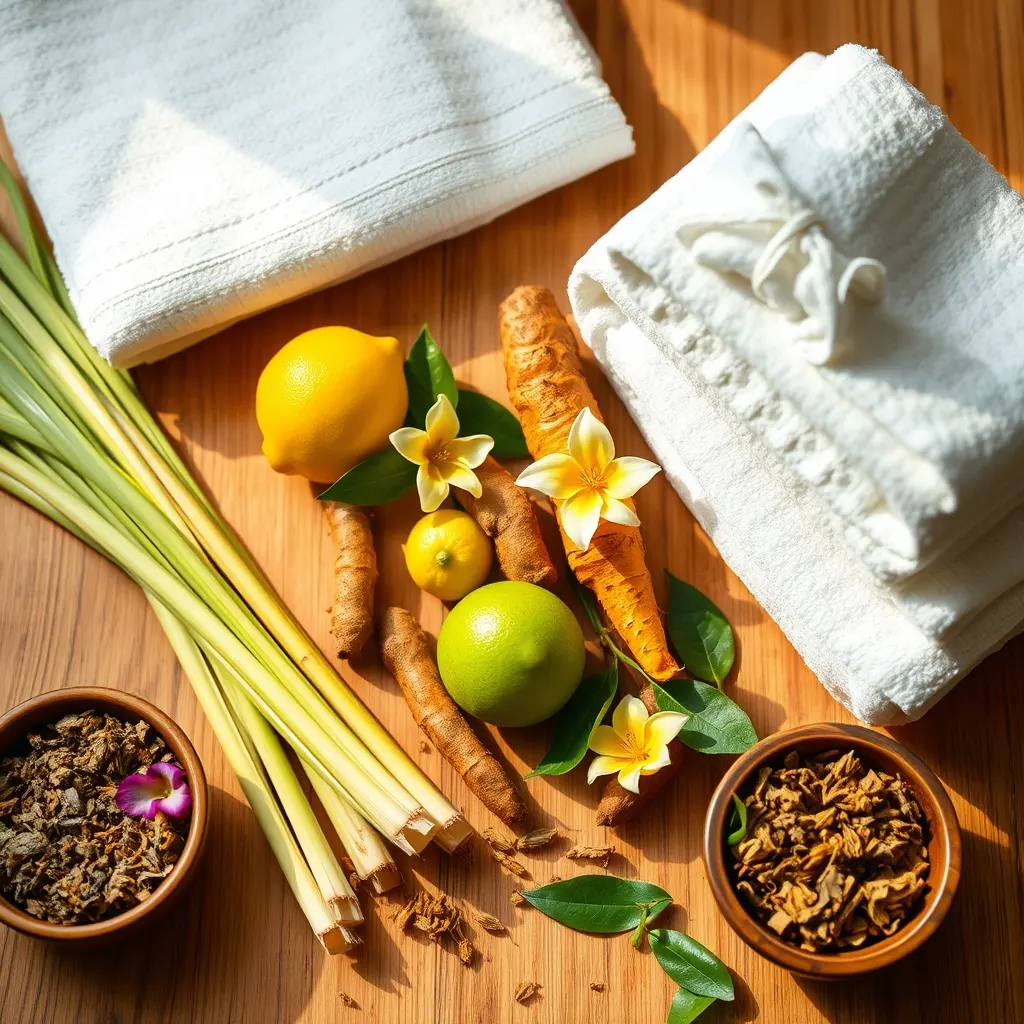
Thai aromatherapy candles sit in a sweet spot for importers: they are light, visually distinctive, and sell well alongside spa and wellness ranges. But candles are also a category where a cheap first order can go wrong in ways you only discover months later: sweating wax, tunnelling wicks, fragrance that fades in transit, or a shipment refused because the labels lacked the right warnings. This guide walks through how to import Thai aromatherapy candles step by step, from finding makers to calculating your landed cost, so your first container (or first carton) behaves the way the samples did.
What You Are Actually Buying: Types of Thai Aromatherapy Candles
Before you contact a single supplier, decide which product you mean, because 'Thai aromatherapy candle' covers at least four quite different things.
- **Spa-style soy or coconut wax candles** in glass or ceramic vessels, scented with blends such as lemongrass, jasmine or ylang-ylang. These are the most common export item and the easiest to brand.
- **Decorative carved or moulded candles**, often lotus or elephant shapes, where scent is secondary to appearance. Fragile, labour-intensive and priced accordingly.
- **Massage candles** that melt into a warm oil. These straddle the line between a candle and a cosmetic, which matters for regulation.
- **Tea lights and bulk unbranded candles** bought mainly on price for hotels and resellers.
Each type has a different buyer, a different margin structure and a different compliance path. A massage candle, for example, may be treated as a cosmetic product in your market because it is applied to skin; a decorative candle is a household good. Mixing them in one order is fine, but your paperwork and testing budget should reflect the most demanding item in the box.
Also decide early whether you want the supplier's own brand, white-label stock with your label, or a fully custom scent and vessel. The first is quickest; the third gives you the strongest product but requires formula work and usually a larger commitment. Many first-time importers start with white-label stock to test demand before investing in a custom line.
Where to Source: Factories, Artisan Workshops and Trading Companies
Thailand's candle makers range from small family workshops in the north to industrial wax plants near Bangkok that supply international spa chains. The right one depends on your volume and how much consistency you need.
**Artisan workshops** give you distinctive hand-finished products and flexibility on small runs, but capacity is limited and batch-to-batch variation is real. They suit boutique retailers and gift shops.
**Factories** offer repeatable quality, proper fragrance-load control and the documentation exporters need. They prefer larger, steadier orders and will quote more slowly, but the first shipment usually looks like the tenth.
**Trading companies** consolidate several makers, which is convenient when you want a mixed assortment, as long as you know you are not dealing with the maker directly and price in their margin.
Where to find them:
- Trade fairs run by Thailand's Department of International Trade Promotion (DITP), where you can smell and burn samples on the spot.
- B2B directories of verified Thai suppliers; THAIMOST, for instance, labels whether a listing is a manufacturer, brand owner or trading company, which saves a round of emails.
- Referrals from spa product buyers, who often already know the reliable Thai wellness suppliers.
Whichever route you take, ask the same first question: do you make this yourself, and may I see where? A supplier who answers plainly, with photos or a video call from the pouring floor, is worth more than a glossy catalogue.
Checking Quality Before You Order: Wax, Wick, Fragrance and Burn Tests
Candles are judged on how they burn, not how they look in a photo. Insist on physical samples and run a structured test before committing.
**Wax.** Ask what the wax is: soy, coconut, palm, paraffin or a blend. Natural waxes are what most Western and Middle Eastern buyers expect from a 'Thai spa' candle, but they are softer and more prone to frosting and sweating in heat. Confirm the melting point if your market is warm.
**Wick.** Cotton or wood, and whether the core is lead-free (reputable makers use lead-free cores, but ask). Burn the sample for four hours: the melt pool should reach the edge of the vessel without the flame soot-staining the glass. Tunnelling, mushrooming or excessive smoke are formulation problems you cannot fix after delivery.
**Fragrance.** Clarify whether the scent comes from essential oils, fragrance oils or a mix. Many makers also sell Thai aromatherapy oils separately, which tells you they control their own blends. Check hot throw (scent while burning) and cold throw (scent unlit), and ask how long the candle was cured before shipping to you.
**Vessel and packaging.** Glass should be heat-tested; ceramic should be glazed inside; lids should fit after the wax has set.
Record your findings for each sample in a simple sheet: wax type, burn time, pool diameter, soot, scent strength at 0, 2 and 4 hours. Share it with the supplier. Good factories welcome this; it gives them a specification to hold.
Paperwork and Regulations: Thailand's Side and Your Side
Candles are not heavily regulated in Thailand for export, which is good news, but your import country will have its own rules, and massage candles complicate things.
**From the supplier** you should expect a commercial invoice, packing list, and the transport document (bill of lading or air waybill). Ask whether they can provide a Certificate of Origin, which may reduce duty under a trade agreement between Thailand and your country, and whether they hold any safety or quality certifications for their production. Treat certifications as information to verify, not a guarantee.
**Safety data.** Scented candles contain fragrance materials, and many markets expect a safety data sheet (SDS) for the fragrance component and specific warning labels on the candle itself. The EU, UK, US and Gulf states each have their own labelling expectations for candles and fragranced products.
**Massage candles** may fall under cosmetic rules in your market because the melted wax is applied to skin. That can mean ingredient listing, a responsible person and product notification. Check with your regulator or customs broker before you order, not after the goods land.
**Tariff classification.** Candles usually fall under HS heading 3406, but confirm with your broker, as decorative items and massage candles can be classified differently. Duty rates vary widely by country.
None of this is difficult, but it is sequential: get the labelling requirements first, then have the supplier print compliant labels, then ship. Reversing the order means relabelling in a bonded warehouse at your expense.
Shipping Candles From Thailand: Heat, Breakage and Air Versus Sea
Two things ruin candle shipments: heat and impact. Plan for both.
**Heat.** Containers sitting on a Bangkok quay or crossing the Indian Ocean can reach temperatures that soften natural waxes, causing them to pull away from the glass, sweat fragrance oil to the surface or deform. Mitigations include shipping in cooler months where possible, asking the supplier for a higher-melt-point blend, using insulated liners, and avoiding top-of-stack container positions for your pallets. Ask the supplier what they have done for other warm-climate customers.
**Breakage.** Glass vessels need individual boxes with inserts, then master cartons with dividers, then stretch-wrapped pallets. Request photos of the packing method before the first shipment and drop-test one carton yourself.
**Air or sea?** Air freight makes sense for sample orders and small, high-value assortments, and avoids weeks of heat exposure. Sea freight is far cheaper per unit for anything approaching a pallet, but adds transit time and temperature risk. Many importers use air for the first trial order and move to LCL (less than container load) sea freight once the product and packaging are proven.
**Insurance.** Insure for the full landed value, not just the invoice, and photograph every carton on arrival before signing the delivery note. Claims are hard to win without arrival photos.
One more detail: ask the forwarder to avoid transshipment through very hot ports where containers may sit for days. A slightly longer direct route can be kinder to wax than a shorter one with a long dwell time.
Pricing the Landed Cost and Avoiding First-Order Mistakes
The unit price on a quotation is rarely more than half of what a candle actually costs you on the shelf. Build your landed cost before you negotiate, not after.
Include: ex-works or FOB price, inland transport in Thailand, export clearance, freight, insurance, import duty and VAT or sales tax, customs brokerage, destination handling, warehouse receipt, and any relabelling or testing. Then add a realistic breakage and quality-reject allowance; for glass candles, a few percent is prudent until you have history with the supplier.
Common first-order mistakes we see repeatedly:
- **Ordering the full range at once.** Start with your three or four strongest scents and vessel sizes; expand once you know what sells.
- **Skipping supplier verification.** Confirm company registration, visit or video-call the production site, and pay a deposit rather than the full amount upfront.
- **Not agreeing a specification in writing.** Attach your sample test sheet to the purchase order so both sides know what 'the same as the sample' means.
- **Ignoring curing time.** A factory rushing to meet your date may ship under-cured candles with weak scent throw. Ask how long they cure and build it into your timeline.
- **Forgetting the label.** Compliance labels, batch codes and your brand sticker should be applied at the factory, with a photo approval step before packing.
Run the first order as a learning exercise: smaller quantity, more communication, a formal review afterwards. The second order is where margins improve.
Need expert support?
Leave your details and our team will get back to you.
FAQ
Frequently asked questions
Do I need a special licence to import candles?
In most countries, ordinary decorative and scented candles do not require an import licence, but they must meet general product safety and labelling rules. Massage candles, which are applied to the skin, may be treated as cosmetics and need notification. Confirm with your customs broker or regulator before ordering.
Can I put my own brand on Thai candles?
Yes. Many Thai makers offer white-label candles where you supply the label and box design, and some will develop a custom scent and vessel for you. White label is the fastest route to test demand; custom development takes longer and usually requires a larger order, which the supplier will specify when quoting.
How do I stop candles melting in transit?
Ask the supplier about higher-melt-point wax blends for warm climates, avoid shipping in the hottest months, use insulated liners in cartons, and keep pallets away from container walls and the top of the stack. For small orders, air freight shortens heat exposure considerably.
Is it better to buy from a factory or a small workshop?
It depends on your volume and how much consistency you need. Workshops offer unique, hand-finished products and flexibility on small runs; factories deliver repeatable quality and export documentation but prefer steady volumes. Many importers start with a workshop for a boutique range and move to a factory as orders grow.
Prepared by the Import Thai team for informational purposes. Some links may lead to referred partners.
Articles
Related articles
How to Import Thai Face Masks and Sheet Masks: A Practical Guide for Buyers
Thailand has become a serious sourcing hub for sheet masks, clay masks and other cosmetic face masks, thanks to a dense network of contract manufacturers and a strong domestic beau

Thai Skincare Brands for Wholesale: A Buyer's Guide to Sourcing the Right Supplier
If you're exploring Thai skincare brands for wholesale, the first real worry isn't which brand looks good on Instagram — it's whether the factory behind the label can actually expo
How to Import Thai Whitening Serums: A Practical Guide for Buyers
Thailand's beauty industry has built a strong reputation for whitening and brightening serums, and buyers from Southeast Asia, the Middle East, and beyond regularly ask the same qu
Thai Natural Soap Manufacturers for Private Label: What to Check Before You Commit
If you're scouting Thai natural soap manufacturers for private label, your real worry probably isn't finding a factory — a search turns up dozens. The hard part is telling which on
How to Import Thai Essential Oils: A Practical Buyer Guide
Learning how to import Thai essential oils is less about finding a supplier and more about knowing what is actually in the drum you

Thai Herbal Products Wholesale: What Importers Should Know First
Thai herbal products wholesale looks simple from the outside: balms, inhalers, teas and oils that already sell themselves in tourist shops. The difficulty starts when you try to im