Customs & compliance
Customs Clearance in Thailand: What Actually Determines How Fast Your Shipment Moves
If you've ever watched a shipment sit at Laem Chabang port or Suvarnabhumi cargo terminal for days with no clear explanation, you already know the honest answer to "how long does c
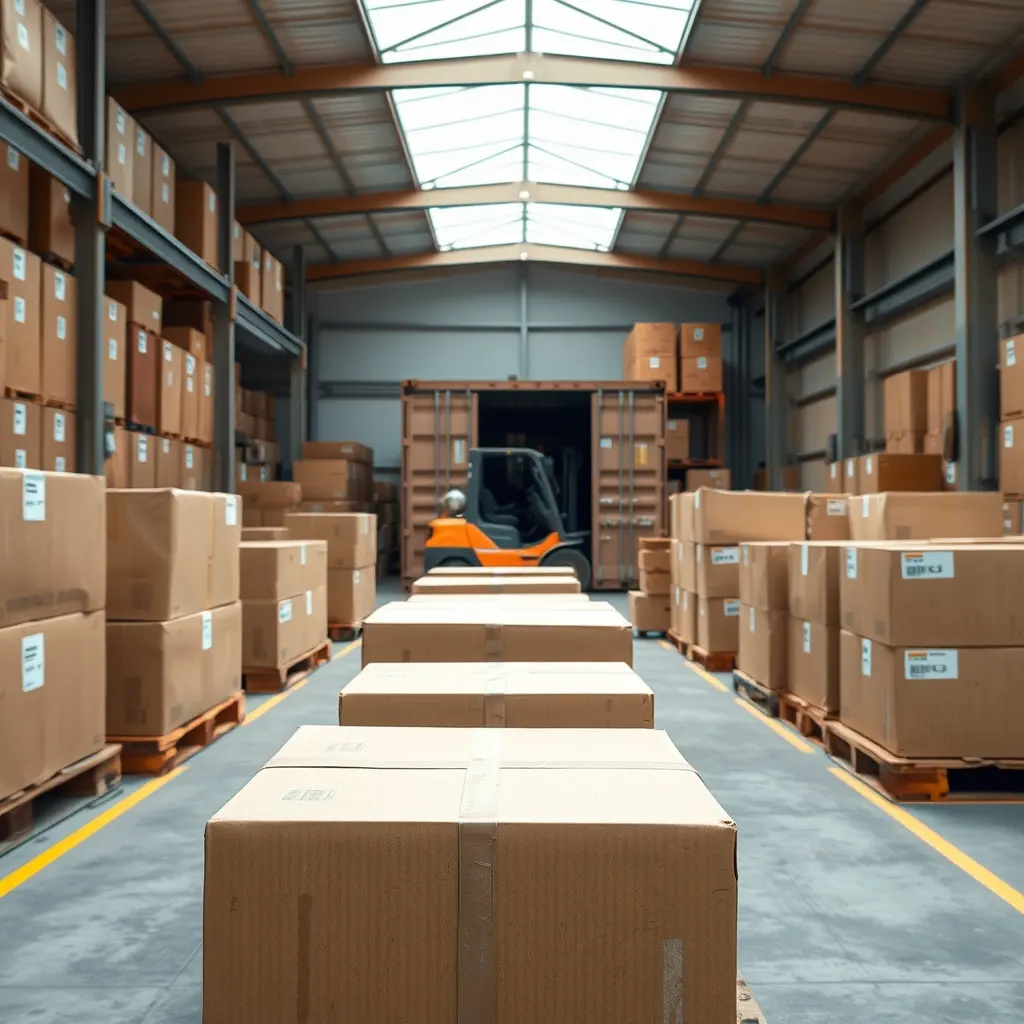
If you've ever watched a shipment sit at Laem Chabang port or Suvarnabhumi cargo terminal for days with no clear explanation, you already know the honest answer to "how long does customs clearance take in Thailand": it depends, and the range is wider than most freight quotes suggest. A clean export with correct paperwork can clear in under a day. The same product from the same supplier can take a week or more if a document is missing, the declared value looks off, or the goods fall under a regulated category that needs a permit before release. This guide walks through what actually drives clearance time on the Thai export side, the documents that matter most, and where delays tend to start — so you can plan realistic timelines instead of guessing.
The short answer: it's a range, not a number
Thai Customs processes most straightforward export shipments within one to three working days once a complete declaration and supporting documents are submitted through the e-Customs system. That's the baseline for goods with no special permit requirements, correct HS code classification, and consistent documentation between the invoice, packing list, and customs declaration. Shipments requiring additional approval — from the Thai FDA for cosmetics and supplements, from agricultural authorities for food and plant-based goods, or from other line agencies for certain materials — can add several extra days because the export declaration can't be finalized until that permit or certificate is issued. Anyone quoting you a fixed number of days without asking what you're shipping is giving you a guess, not an answer. The only reliable way to verify current processing expectations for your specific product is to check with Thai Customs directly or confirm through your customs broker before the shipment moves.
What speeds clearance up
Three things consistently correlate with fast clearance. First, accurate and consistent paperwork: the commercial invoice, packing list, and declared HS code need to match each other and match what's actually in the box. Mismatches are one of the most common reasons an otherwise normal shipment gets pulled aside for manual review. Second, correct product classification. HS codes determine duty rates and whether a product needs a specific permit — guessing or copying a code from a similar product can trigger a hold while an officer reconfirms the classification. Third, having any required permits or certificates ready before the shipment is declared, not applied for after the fact. For regulated categories like cosmetics, food products, or herbal and wellness goods, the permit or certificate needs to exist in the system before customs will release the declaration, so sourcing it in advance — rather than scrambling once the shipment is already at port — removes the single biggest variable in the timeline.
What slows it down
Delays usually trace back to one of a handful of recurring issues: an undervalued or inconsistent declared value that prompts a valuation query, a product description vague enough that an officer can't confirm the HS code without more documentation, missing or expired permits for regulated goods, or incomplete exporter/importer registration details. Random inspection is also part of the system — a percentage of shipments get selected for physical check regardless of how clean the paperwork is, and that adds time you can't fully plan around. If your shipment is held, the exporter or their agent will usually be asked for clarifying documents; response speed on your side matters as much as the initial paperwork quality, since a held shipment sits until someone answers the query.
Air freight vs sea freight: does the mode change the clock?
Customs clearance itself — the document review and release process — takes roughly the same amount of time whether goods are moving by air or sea, since it's a paperwork and compliance check, not a physical transport step. What differs is how that clearance time fits into the overall shipping schedule. Air shipments move fast between origin and destination, so a customs delay of even one or two extra days is proportionally significant and highly visible. Sea shipments already involve longer transit times, so the same clearance delay has more buffer around it and is less likely to disrupt your overall delivery date. If you're shipping something time-sensitive or perishable by air, budgeting a conservative clearance window matters more than it does for a slower-moving sea freight container.
Who actually handles this, and why it matters for your timeline
Most importers don't file customs declarations themselves — a licensed customs broker in Thailand does it on the exporter's or importer's behalf, submitting through the e-Customs system and coordinating with any relevant line agencies for permits. The quality and responsiveness of that broker has a real effect on your clearance speed, separate from the paperwork itself. A broker who catches an inconsistency before submission, who knows which category your product falls into, and who responds quickly to a customs query will routinely clear shipments faster than one who files and waits. If you're sourcing through a platform or agent that coordinates freight as part of the deal, ask directly who handles the customs filing and how they've handled holds in the past — vague answers here are a signal worth noting before, not after, you commit volume to that lane.
Building a realistic timeline into your import plan
Rather than asking for a single number, build your schedule around a range: plan for the fast end (a day or two) as the best case, and build in a buffer of several extra days for anything in a regulated category or anything moving for the first time with a new supplier or product line. First shipments on a new product almost always take longer than repeat shipments, simply because classification and documentation haven't been tested yet. Once a product has cleared cleanly a few times, the paperwork pattern is established and subsequent shipments tend to move faster. If a deadline matters — a retail launch date, a trade show, a customer commitment — don't anchor it to the fastest possible clearance scenario; anchor it to the realistic range and confirm current conditions with your broker closer to shipment date.
Need expert support?
Leave your details and our team will get back to you.
FAQ
Frequently asked questions
How long does customs clearance take in Thailand for a standard export shipment?
For a shipment with complete, accurate documentation and no special permit requirements, clearance through the e-Customs system typically moves within a day or two of submission. Add time for any product requiring an additional permit or certificate, and for shipments selected for physical inspection.
Does customs clearance time differ between air and sea freight?
The clearance process itself takes a similar amount of time regardless of transport mode, since it's a document and compliance review. The difference is how much that delay affects your overall schedule — it's more noticeable on fast air shipments than on sea freight, which already has longer transit times built in.
What's the most common reason a shipment gets held at customs in Thailand?
Inconsistent documentation — a declared value, product description, or HS code that doesn't line up across the invoice, packing list, and declaration — is one of the most frequent triggers for a manual review or valuation query.
Can I speed up clearance for a regulated product like a cosmetic or food item?
The main lever you control is having the required permit or certificate ready before the shipment is declared, rather than applying for it after the goods have already reached port. Confirm specific requirements with the relevant Thai authority or your customs broker before shipping.
Prepared by the Import Thai team for informational purposes. Some links may lead to referred partners.
Articles
Related articles

Thai FDA Certificate for Export: What Importers Actually Need to Check
If you're sourcing skincare, supplements or herbal products from Thailand, you've probably asked a supplier for "FDA certification" and gotten a scanned document you can't fully re
What Is a Certificate of Free Sale for Thai Exports? An Importer's Guide
If your customs broker or regulator has asked for a Certificate of Free Sale, you are not alone: it is one of the most requested and least understood documents in Thai trade.

Thai Export Licence Requirements: What Importers Should Check
Export licensing in Thailand is not one permit. It is a set of layered permissions, and which ones apply depends entirely on what you are buying.

HS Codes for Thai Cosmetics and Food: How to Get Them Right
Getting HS codes for Thai cosmetics and food wrong is one of the few importing mistakes that costs you money on every single shipment, quietly, until someone audits you.
How to Find a Reliable Customs Broker for Thai Imports
The biggest worry with a Thai shipment is often what happens at the border: a wrong code, a missing document, storage fees piling up while someone sorts it out. Knowing how to find

Documents Needed to Import From Thailand: A Practical Checklist
If you've sourced a product from Thailand and are now staring at a stack of paperwork requirements, you're not alone. The documents needed to import from Thailand vary by product c