Sourcing in Thailand
How to Import Thai Bamboo Products: A Step-by-Step Guide for Buyers
If you're looking into how to import Thai bamboo products — from homeware and kitchenware to furniture, baskets and packaging — the biggest worries are usually the same: will the g

If you're looking into how to import Thai bamboo products — from homeware and kitchenware to furniture, baskets and packaging — the biggest worries are usually the same: will the goods clear customs without surprises, is the moisture content stable enough for your climate, and who actually handles phytosanitary paperwork. Thailand has a long-established bamboo and rattan craft sector, with clusters of workshops and small factories producing everything from woven trays to structural bamboo furniture. This guide walks through sourcing, documentation, shipping and quality checks so you know what to ask suppliers before you commit to an order.
Where Thai bamboo products actually come from
Most bamboo goods exported from Thailand are made by small and mid-size workshops rather than large industrial factories, often concentrated in the north and northeast where raw bamboo is grown locally. Buyers typically reach these producers through trade fairs, DITP-supported export promotion programs, provincial OTOP (One Tambon One Product) networks, or sourcing agents and trading companies that aggregate output from several workshops. Each route has trade-offs: going direct to a workshop can mean better pricing and more control over design, but also means you handle export logistics, quality consistency and communication yourself. A trading company or sourcing agent adds a margin but usually consolidates orders from multiple makers, handles English-language communication, and has already dealt with export paperwork before. For first-time buyers unsure how to import Thai bamboo products reliably, starting with an agent or an established exporter is often less costly than it looks once you factor in your own time.
Documents and compliance you need to check
Bamboo is a plant material, so most countries treat it differently from finished wood or plastic goods for customs and biosecurity purposes. Depending on your destination, customs authorities may require a phytosanitary certificate confirming the bamboo was treated (fumigated, heat-treated, or otherwise processed) to prevent pests like bamboo borers. This certificate in Thailand is issued by the Department of Agriculture, and your supplier or freight forwarder should be able to confirm whether a specific shipment has one. On top of that, a standard commercial invoice, packing list and bill of lading or airway bill are required for any import, and some countries apply additional rules for products combining bamboo with other materials (metal fittings, fabric, electronics in bamboo-cased items). Because requirements vary so much by country — some are strict about untreated raw bamboo, others care more about finished-product labeling — the only reliable approach is to check directly with your own country's customs or import authority before finalizing an order, and ask the Thai supplier to confirm which treatment certificates they can provide for that specific product line.
Quality and moisture: the issue most buyers miss
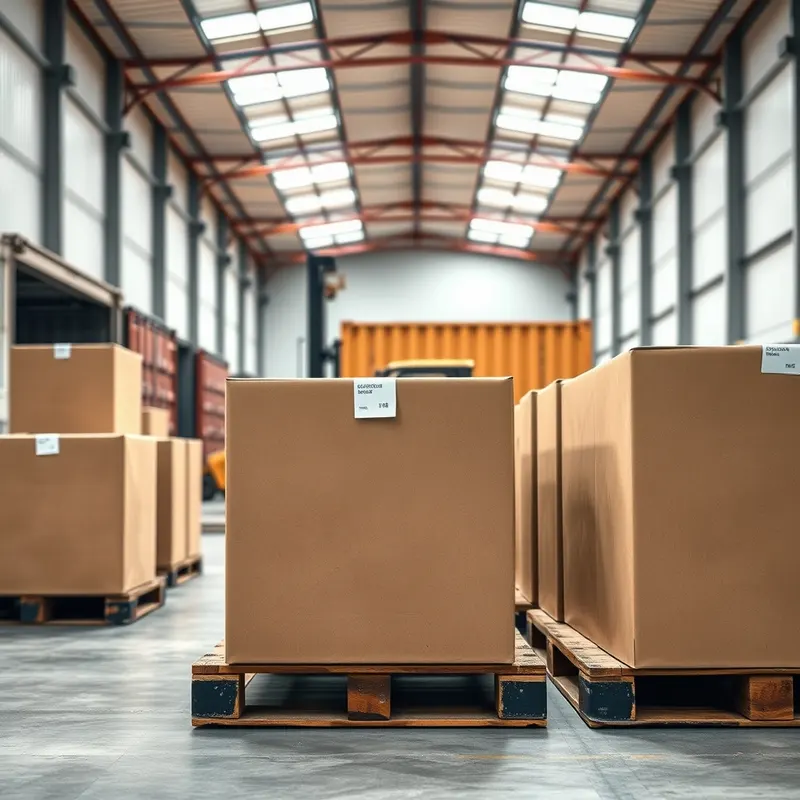
The single most common complaint from overseas buyers of Thai bamboo products isn't design or price — it's cracking, warping or mold that shows up weeks after the goods arrive in a different climate. Bamboo that wasn't dried and treated properly for the humidity level of the destination market can split as it adjusts. Ask suppliers directly about their drying and treatment process (kiln-dried vs. air-dried, any boron or anti-fungal treatment used) and, where possible, request product samples before placing a full order so you can observe how the material behaves after a few weeks in your own climate. For larger orders, a pre-shipment inspection — either done yourself, through an agent, or via a third-party inspection service — can catch moisture and finishing issues before the container leaves Thailand, which is far cheaper than dealing with a damaged shipment on arrival.
Shipping and logistics for bamboo goods
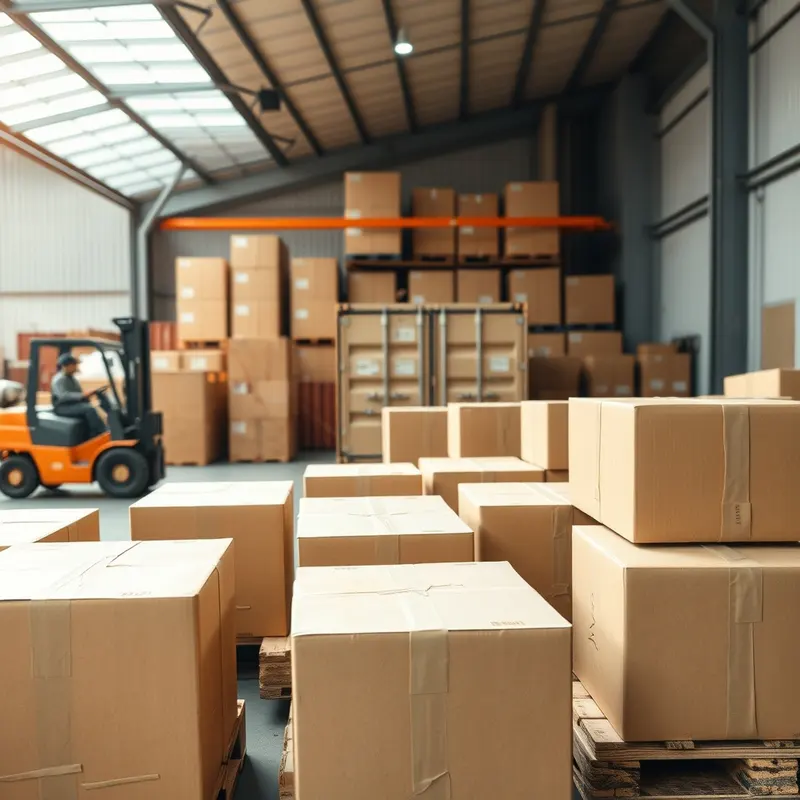
Bamboo products range from lightweight, high-volume items (woven baskets, trays, lampshades) to bulky, heavier pieces (furniture, structural panels). For high-volume, low-weight goods, sea freight by volume (CBM-based pricing) is usually more cost-effective than air, while smaller sample orders or urgent restocks may justify air freight despite the higher cost. Packing matters more for bamboo than for many other materials: items need adequate padding and ventilation inside containers to avoid moisture buildup during transit, especially on longer sea routes. Work with your freight forwarder or the supplier's export team to confirm container loading plans, and clarify incoterms (FOB, CIF, EXW) early so there's no ambiguity about who arranges and pays for Thailand-side export customs clearance versus destination-side import clearance.
Choosing between a direct factory, a trading company, or a sourcing platform
There's no single right answer here — it depends on your order size, how much time you have, and how comfortable you are managing supplier relationships directly. Working with an individual workshop can work well if you already have a trusted contact or plan to visit in person. For buyers who want some vetting and consolidation without managing multiple small suppliers themselves, platforms and directories built specifically around Thai sourcing — such as ThaiNex or THAIMOST — can be a useful starting point for comparing options before committing, alongside trade fairs and DITP's own export directories. Whichever route you choose, treat the first order as a test: smaller quantities, clear sample approval, and a documented inspection step before full payment.
Common mistakes to avoid
A few recurring issues come up when sourcing bamboo from Thailand: skipping the phytosanitary certificate question until the shipment is already stuck at customs; assuming a sample approved in Thailand's climate will behave identically after weeks in transit and storage elsewhere; underestimating packing requirements, leading to breakage or moisture damage; and not clarifying who is responsible for export documentation versus import clearance, which can cause costly delays when nobody takes ownership of a missing form. Building a checklist with your supplier before the first order — treatment certificates, sample approval, packing method, and incoterms — solves most of these before they become expensive problems.
Need expert support?
Leave your details and our team will get back to you.
FAQ
Frequently asked questions
Do I need a phytosanitary certificate to import Thai bamboo products?
Many countries require one for raw or minimally processed bamboo, since it's treated as a plant material that could carry pests. Requirements differ by destination and by how finished the product is, so check with your own country's customs or agricultural authority and ask your Thai supplier which certificates they can provide for the specific item.
How do I avoid bamboo products cracking after import?
Cracking and warping usually come from inadequate drying or treatment before shipment. Ask suppliers about their drying process, request samples and let them sit in your local climate for a few weeks before placing a full order, and consider a pre-shipment inspection for larger orders.
Is it better to buy directly from a Thai workshop or through a trading company?
It depends on your order size and how much time you can dedicate to managing the relationship. Direct sourcing can offer better pricing and design control but requires you to handle logistics and quality checks yourself; a trading company or sourcing platform adds a margin but typically handles documentation and consolidation.
What's the most cost-effective way to ship bamboo products from Thailand?
For bulky, lightweight items like baskets or trays, sea freight priced by volume (CBM) is usually more economical for larger orders, while air freight suits smaller or urgent shipments. Confirm incoterms with your supplier so it's clear who handles export clearance in Thailand.
Prepared by the Import Thai team for informational purposes. Some links may lead to referred partners.
Articles
Related articles
How to Import Thai Silk Fabric Wholesale: A Buyer's Guide
If you've handled real Thai silk, you know why buyers keep coming back to it: the weight, the sheen, the way it holds dye. But sourcing it wholesale from outside Thailand raises pr
How to Find Handicraft Suppliers in Thailand: A Buyer's Method
Thai handicrafts sell well abroad precisely because they are made in small workshops, and that is also why they are hard to source at scale. If you are working out how to find hand
How to Find a Sourcing Agent in Thailand (And Vet One Properly)
Knowing how to find a sourcing agent in Thailand matters more than most buyers expect, because the title covers at least four different business models — from a one-person interpre
Thailand Trade Shows for Importers: Which Ones Are Worth the Flight?
If you're planning a sourcing trip to Thailand, the first question is usually not "what should I buy" but "where do I actually meet real suppliers in one place." Thailand trade sho

How to Import Thai Jewelry and Gemstones: A Buyer's Guide
If you want to know how to import Thai jewelry and gemstones, the main worry is usually the same: how do you know the stones and metal are what the seller says they are, and how do
How to Source Thai Coconut Products: A Guide for Importers
Coconut is one of the easiest Thai categories to get interested in and one of the easiest to get wrong, because it is not one product.