Customs & compliance
How to Appeal a Customs Valuation Dispute: An Importer's Plan
If customs has rejected your declared value and issued a higher assessment, you are not stuck with it. Knowing how to appeal a customs valuation dispute comes down to three things:

If customs has rejected your declared value and issued a higher assessment, you are not stuck with it. Knowing how to appeal a customs valuation dispute comes down to three things: getting the decision and its reasoning in writing, releasing your goods without conceding the point, and building an evidence file that proves the price you actually paid. This guide walks through each stage for importers buying from Thailand, with the trade-offs at every step.
Why customs challenges a declared value in the first place
Most customs authorities follow the WTO Customs Valuation Agreement, which makes the transaction value, the price actually paid or payable for the goods, the primary basis for duty. Officers are allowed to question that value when they have reasonable doubts, and they are expected to tell you why. Understanding the trigger shapes your whole appeal, because you answer a doubt about related-party pricing very differently from a doubt about missing freight costs.
Common triggers include:
- **The price looks low against reference data.** Many administrations compare declarations with their own databases of similar imports. A new supplier, a promotional price or a bulk discount can all sit below the reference range.
- **Buyer and seller are related.** Customs may ask you to show that the relationship did not influence the price.
- **Costs appear to be missing.** Depending on the importing country's rules and the Incoterm used, freight, insurance, commissions, royalties, packing or buyer-supplied materials may need to be added to the invoice price.
- **Documents do not agree.** An invoice that differs from the purchase order, payment record or packing list invites questions.
- **Discounts or credits are unexplained.** A lower price with no paper trail showing why reads as under-declaration.
When the transaction value is rejected, customs normally moves through alternative methods in a set order: identical goods, similar goods, deductive value, computed value and a fall-back method. A useful first question for your appeal is whether the officer followed that sequence properly and explained each step, or simply applied a database figure.
First moves: get the decision in writing and protect your deadline
Appeals are won or lost on procedure before anyone looks at the merits. As soon as you learn of a valuation query or uplift, do four things.
**Ask for the written decision and the grounds.** A phone call from your broker saying customs wants more duty is not an appealable decision. Request the formal notice showing the reassessed value, the method customs used, and the reasons the declared value was not accepted. Under the WTO framework importers are entitled to a written explanation on request.
**Find the deadline and diarise it.** Every jurisdiction sets its own time limit for an objection, protest or request for review, and the clock usually starts on the date of the notice or the date of payment. These limits are strict and differ widely, so read the notice itself and confirm with a licensed customs broker or trade lawyer in the importing country rather than relying on a general figure.
**Identify the correct first-level channel.** In most systems you must go through an internal administrative review before you can reach an independent tribunal or court. Filing in the wrong forum can cost you the deadline.
**Keep communication in writing.** Summarise any verbal conversation in a follow-up email. If the case moves to a tribunal later, a clean record of what you were asked and what you supplied carries real weight.
Also decide early who leads the case. A broker is usually well placed for a straightforward documentary clarification. A dispute involving related-party pricing, royalties or large sums generally justifies a customs lawyer or valuation specialist from the start.
Releasing the goods without giving up the argument
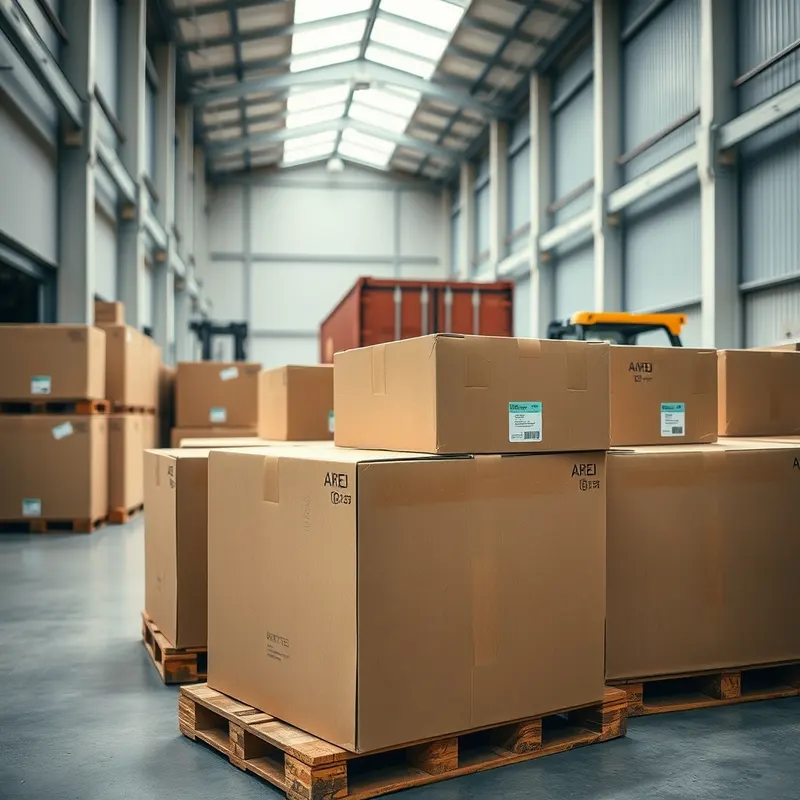
A valuation dispute can take far longer than your customer is willing to wait, and storage and demurrage charges build while a container sits at the port. Many customs administrations therefore allow goods to be released while the value is still being determined, provided the importer lodges some form of security. The WTO agreement explicitly anticipates this.
The options you may be offered, depending on the country, include:
- **Paying the disputed duty under protest.** You pay the higher amount, state in writing that you do not accept the assessment, and claim a refund if the appeal succeeds. Simple, but it ties up cash.
- **A bank guarantee or customs bond.** Security covers the difference between duty on the declared value and duty on customs' value. It preserves cash flow but carries a fee and uses credit lines.
- **A cash deposit.** Similar to payment under protest, held pending the outcome.
Whichever route is used, make sure the paperwork records that the payment or security is provisional and that you reserve the right to appeal. In some jurisdictions, paying without that reservation can be read as accepting the assessment.
Weigh the cost honestly. For a small difference on a single shipment, the professional fees and management time of an appeal may exceed the duty at stake. The calculation changes if you import the same product regularly, because an unchallenged uplift tends to become the reference value for your future entries. In that case, the first dispute is really about every shipment that follows.
Building the evidence file that proves your price
The core of a valuation appeal is showing that the invoice price is the genuine, complete price paid for the goods. Assertions do not do this; documents that corroborate each other do. A strong file typically contains:
- **The commercial chain:** quotation, purchase order, proforma invoice, sales contract and final commercial invoice, with consistent quantities, unit prices and terms.
- **Proof of payment:** bank transfer records or letter-of-credit documents matching the invoice amount, plus confirmation that no further payment is due.
- **Negotiation history:** emails or messages showing how the price was reached, including the reason for any discount such as volume, end-of-season stock or a first-order incentive.
- **Supplier-side evidence:** the supplier's price list, export declaration and, where available, invoices to other unrelated buyers at comparable prices.
- **Cost elements:** freight and insurance invoices, and a clear statement of the Incoterm so customs can see what is and is not included.
- **Product evidence:** specifications, photos and grade or quality details that explain why your goods differ from the higher-priced items in customs' comparison.
Suppliers matter here. Exporters who issue precise invoices and can produce their own export paperwork quickly make your case much easier. That is one practical reason to buy from established channels, whether a long-standing factory relationship, a wholesale distributor such as ThaiNex, or verified Thai suppliers listed on a B2B marketplace, and to agree up front that they will support you with documents if customs asks.
Organise the file with an index and a short cover note linking each document to the specific doubt customs raised. Translate key documents where the authority requires it.

The appeal ladder: administrative review, tribunal, and when to settle
Most countries offer at least two levels of challenge, and the WTO agreement requires that importers have access to an appeal to an independent body without penalty.
**Level one: administrative review.** You file an objection or protest with the customs administration itself, often to a unit separate from the officer who made the assessment. Your submission should state the decision being challenged, the value you say is correct, the legal basis, and the supporting evidence. Keep the argument tight: address the stated grounds, show why the transaction value meets the legal test, and, as a fallback, show why customs' alternative method was misapplied.
**Level two: independent tribunal or court.** If the review upholds the assessment, you can usually escalate. This stage is more formal, slower and more expensive, and legal representation is normally sensible.
Along the way, consider these judgment calls:
- **Negotiated outcomes.** Some administrations will accept a partial adjustment once they see credible evidence. A settlement that fixes a defensible value for future shipments can be worth more than a full win on one entry.
- **Penalties.** If customs alleges misdeclaration rather than a simple disagreement, the stakes rise sharply. Get legal advice before making any statement.
- **Consistency.** Whatever position you take must match how you declare later shipments.
Be realistic about outcomes. Nobody can promise a result or a timeline; both depend on the jurisdiction, the workload of the authority and the quality of your file. Treat the rules described here as general reference and confirm the exact procedure with customs or a licensed broker in your country.
Preventing the next dispute
An appeal is a cure. The cheaper strategy is making your declared value hard to doubt in the first place. A few habits reduce the odds of a repeat query considerably.
- **Make the invoice tell the whole story.** Describe the goods specifically, state the Incoterm, show unit prices, and print any discount on the invoice with its reason instead of netting it off silently.
- **Keep a standing valuation file.** For each product line, hold the price list, contract and payment history ready, so a query can be answered in one reply.
- **Declare additions correctly.** Ask your broker which costs must be added to the price under your country's rules, such as royalties, commissions or materials you supplied to the factory, and include them from the first entry.
- **Document related-party pricing.** If you buy from an affiliated company, prepare evidence that the price is comparable to sales between unrelated parties before customs asks.
- **Consider an advance ruling.** Some administrations issue binding rulings on valuation questions before import. Where available, this gives certainty for recurring shipments.
- **Brief your supplier.** Thai exporters are generally familiar with documentary requests from foreign buyers, but tell them in advance what your customs authority tends to ask for.
Finally, review every query, even ones resolved informally. A pattern of questions on the same product usually points to one fixable gap, such as a vague description or a price that needs a line of explanation. Closing that gap once is far less costly than defending the same value shipment after shipment.
Need expert support?
Leave your details and our team will get back to you.
FAQ
Frequently asked questions
Can I take my goods while the valuation dispute is ongoing?
In many countries, yes. Customs can often release the shipment if you pay the disputed duty under protest or lodge a guarantee, bond or deposit covering the difference. Availability and conditions vary, so ask your customs broker which form of security your authority accepts and make sure the paperwork records that you reserve your right to appeal.
How long do I have to file a customs valuation appeal?
It depends entirely on the importing country, and the limits are strict. The deadline is normally stated on the assessment notice or in the customs legislation and often runs from the notice date or the payment date. Read the notice carefully and confirm the exact time limit with a licensed broker or trade lawyer as soon as the decision arrives.
What is the strongest evidence in a valuation appeal?
Proof of payment that matches the commercial invoice exactly, backed by the contract, purchase order and negotiation correspondence. Together these show the price was genuinely agreed and fully paid. Supplier price lists and comparable sales to other unrelated buyers add weight, especially when customs relied on database values for goods that differ from yours.
Is it worth appealing a small valuation uplift?
For a one-off shipment with a modest difference, the cost of professional help may outweigh the duty at stake. For a product you import regularly, an unchallenged uplift can become the benchmark for future entries, so the real exposure is larger than one shipment. Estimate the duty over a year of imports before deciding.
Prepared by the Import Thai team for informational purposes. Some links may lead to referred partners.
Articles
Related articles
How to Find a Reliable Customs Broker for Thai Imports
The biggest worry with a Thai shipment is often what happens at the border: a wrong code, a missing document, storage fees piling up while someone sorts it out. Knowing how to find

What Is a Phytosanitary Certificate for Thai Exports? A Practical Guide for Importers
If you're importing plants, fresh produce, dried fruit, seeds, or other agricultural goods from Thailand, you've probably already run into the term "phytosanitary certificate" — an

Certificate of Origin Thailand Form D: A Practical Guide for Importers
If you're importing from Thailand into another ASEAN market and trying to reduce or eliminate import duty, you've probably run into the term "Form D." This is the certificate of or
What Is a Customs Bond for Importing Goods? A Practical Guide for Buyers Sourcing from Thailand
If you're importing goods into a country like the United States and your customs broker has mentioned a "bond" you need before your shipment clears, you're not alone in finding the

How to Classify Goods Under the Harmonized System: A Method
Learning how to classify goods under the harmonized system is the least glamorous skill in importing and one of the most expensive to get wrong
Free Trade Agreement Thailand Import Benefits: What Buyers Gain
Free trade agreement Thailand import benefits are real but conditional. Here is what an FTA actually changes on your invoice, and what it leaves untouched