Sourcing in Thailand
Best Products to Import From Thailand: A Practical Category Guide
If you're researching the best products to import from Thailand, the honest answer is: it depends on your market, budget and how much quality-control work you're willing to do upfr

If you're researching the best products to import from Thailand, the honest answer is: it depends on your market, budget and how much quality-control work you're willing to do upfront. Thailand has built genuine manufacturing strength in a handful of categories — skincare and cosmetics, herbal and wellness products, food and beverage, home and lifestyle goods, and rubber-based items — but "best" for a wholesaler in the US is not the same as "best" for a distributor in the Middle East. This guide breaks down the categories that consistently perform well for importers, what to check before you commit, and how sourcing differs across them, so you can narrow your list before you start contacting suppliers.
1. Skincare and cosmetics
Thailand has a dense cluster of OEM/ODM cosmetics factories, many originally built to supply domestic and regional brands, which means there's real production capacity behind Thai skincare wholesale offers — not just repackaged generic stock. Popular sub-categories include herbal-infused skincare, whitening and brightening lines, and spa-style body products. Before ordering, ask for the ingredient list (INCI), any existing registration with the Thai FDA, and whether the factory can provide documentation in English. Cosmetics regulations vary a lot by destination country, so check with your own customs broker or regulatory contact before assuming a product can be sold as-is where you operate.
2. Herbal and wellness products
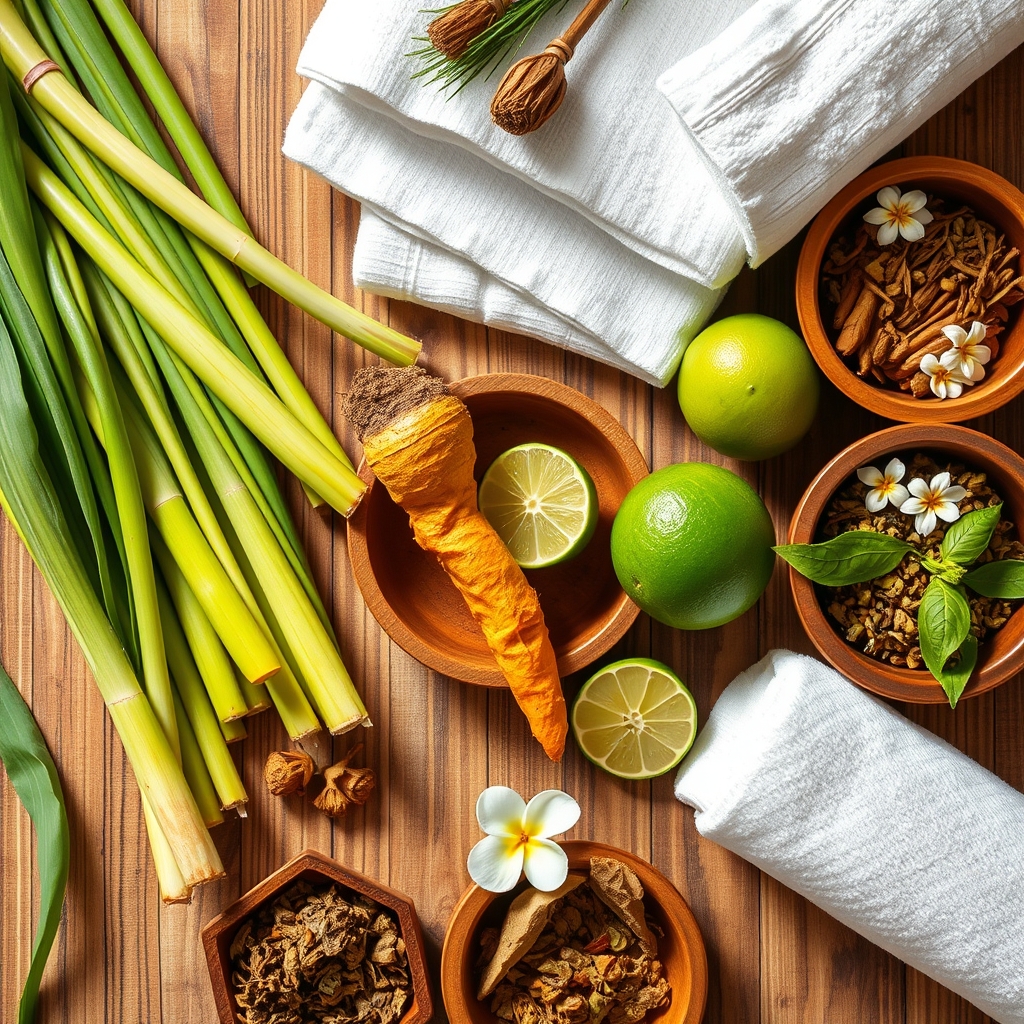
Thai herbal products — balms, inhalers, herbal teas, supplements made from turmeric, ginger, holy basil and similar ingredients — have a long domestic manufacturing history and tend to travel well internationally because they lean on recognizable, marketable ingredients. The catch is regulatory: supplements and anything with a health claim usually need review by the importing country's food or drug authority, and Thai export paperwork (FDA Thailand certificates, free-sale certificates) doesn't automatically satisfy foreign requirements. Treat this category as higher-reward but higher-diligence than straightforward lifestyle goods.
3. Food, snacks and beverages
Thai snacks (dried fruit, rice-based snacks, seasoned seaweed), sauces, coffee and ready-to-drink beverages are a steady category for distributors because retail buyers already recognize Thai flavors. The main friction points are shelf life, labeling requirements in the destination market, and whether the factory already exports (which usually means packaging and labeling are closer to international standard). Ask any potential Thai wholesale distributor for existing export markets and sample shipments before committing to a larger order.
4. Home, lifestyle and handicraft goods
Rattan and water hyacinth furniture, ceramics, spa and home-fragrance products, and textiles remain a solid category for importers targeting lifestyle or home-goods retail. These products are less regulated than cosmetics or supplements, which makes them a reasonable starting category if you're new to importing from Thailand and want to build supplier relationships before moving into more compliance-heavy categories like skincare or herbal products.

5. Rubber and industrial-adjacent products
Thailand is one of the world's largest natural rubber producers, and that supply chain extends into finished goods like gloves, rubber mats, and latex products. This category tends to involve larger-volume, more industrial buyers rather than small e-commerce sellers, and supplier vetting should focus heavily on factory certifications and consistent raw material sourcing rather than branding or packaging.
6. How to shortlist suppliers once you've picked a category
Whichever category you choose, the process looks similar: narrow to 3–5 verified Thai suppliers per product, ask for samples, confirm export documentation, and get a written quote that spells out packaging, lead time and payment terms — none of which should be assumed from a product listing alone. Platforms and directories built specifically for sourcing from Thailand, such as ThaiNex, 5FINE or THAIMOST, can help you request quotes from Thai suppliers in parallel rather than emailing factories one by one, though cross-checking business registration and export history yourself is still worth the time regardless of which channel you use.
Need expert support?
Leave your details and our team will get back to you.
FAQ
Frequently asked questions
What is the single best product category to import from Thailand?
There isn't one universal answer — skincare and herbal products tend to have higher margins but more regulatory steps, while home goods and snacks are easier entry points with fewer compliance hurdles. Your choice should match your market knowledge and risk tolerance, not just margin potential.
How do I find verified Thai suppliers instead of middlemen?
Ask for business registration documents, factory address, and export references, and compare what you're told against public business registries where possible. Sourcing directories that specialize in Thailand can speed up the process of finding verified Thai suppliers, but direct verification is still worth doing before a large order.
Do I need special certification to import Thai skincare or herbal products?
Often yes, depending on your destination market — cosmetics and anything with a health claim are usually reviewed by local authorities (FDA-equivalent bodies) regardless of what certification the Thai factory holds. Check with your customs broker or regulatory agency before finalizing orders in these categories.
How many suppliers should I contact before placing an order?
Most experienced importers contact several suppliers per product category so they can compare pricing, communication quality and sample consistency. It's common practice to request quotes from Thai suppliers from a shortlist of three to five before narrowing down to one or two for a trial order.
Prepared by the Import Thai team for informational purposes. Some links may lead to referred partners.
Articles
Related articles
Thai Supplier Scams to Avoid: A Practical Checklist for First-Time Importers
If you're sourcing from Thailand for the first time, the biggest risk isn't the product — it's the supplier you've never met, paying through a bank transfer you can't reverse. Thai

How to Calculate Landed Cost When Importing from Thailand
The invoice price from your Thai supplier is only the starting point. By the time a shipment clears customs and reaches your warehouse, freight, duty, insurance, taxes and handling

Thai Food Products for Export: Which Categories Travel Well?
Thai food products for export range from shelf-stable sauces to dried fruit and instant noodles, but not every category travels well. This guide explains how to judge